



Mbabane – Students enrolled at higher education institutions in Eswatini are four times more likely to experience sexual assault than their peers who are not in tertiary education, while one in four women aged between 19 and 24 have experienced sexual violence in their lifetime.
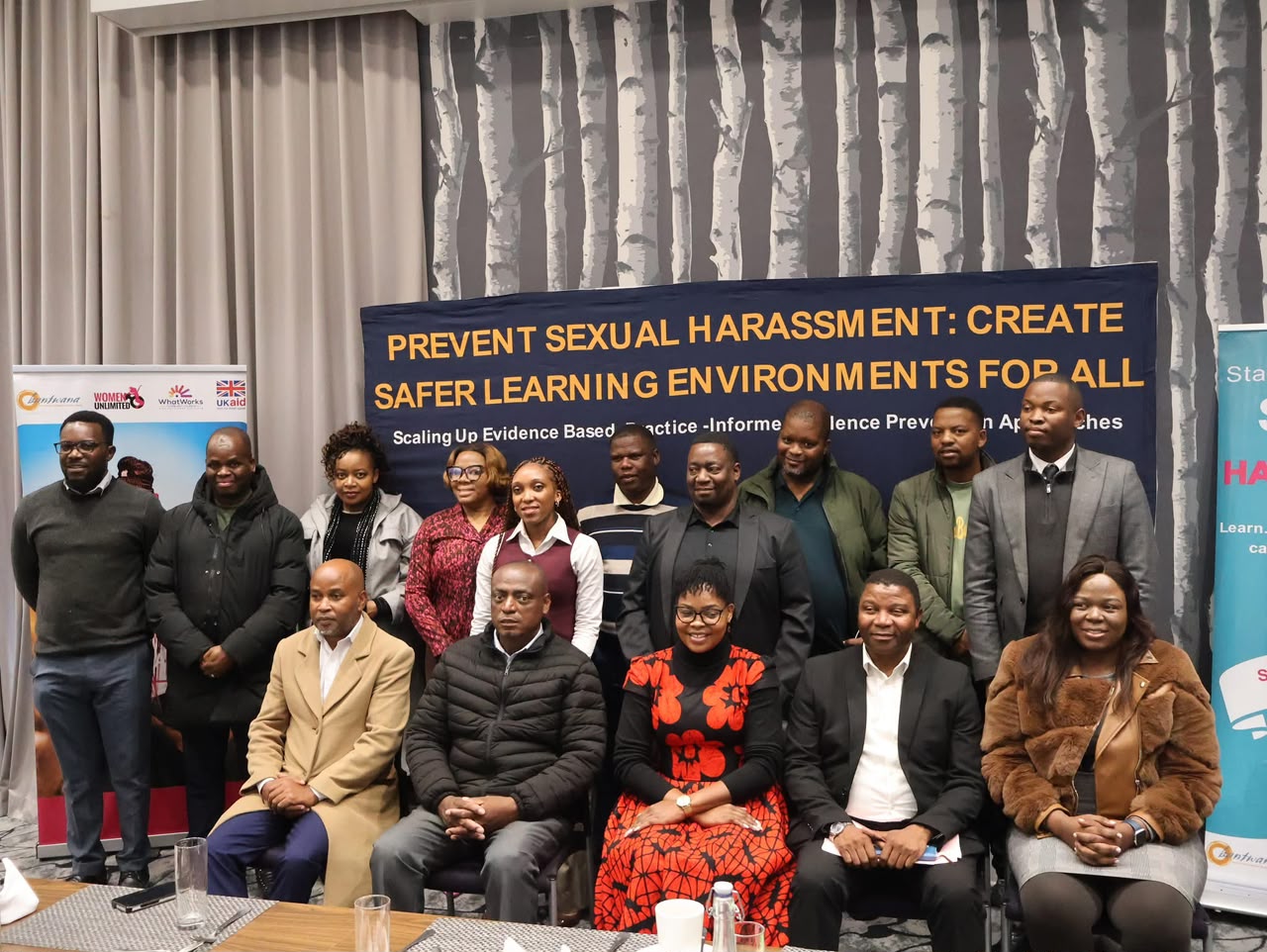
The figures were shared during an engagement between the Eswatini Media Editors’ Forum and media stakeholders convened by Women Unlimited Eswatini and Bantwana Initiative Eswatini, in partnership with the University of Eswatini, under the Litsemba Rising initiative.
The meeting focused on sexual harassment prevention in higher education institutions and the role of the media in shaping public understanding of gender-based violence and contributing to conversations on prevention.
Organisers said the session provided an opportunity to present evidence, lessons and experiences gathered through the Litsemba Rising programme, which focuses on preventing sexual harassment on university campuses through peer-led interventions.


According to the organisers, the programme was informed by research into students’ lived experiences, enabling interventions to respond to challenges identified by students themselves rather than assumptions.
The evidence gathered through the initiative has also been used to identify prevention strategies and generate lessons that could inform future policies and practices on addressing sexual harassment in higher education.
Women Unlimited Eswatini Founder and Executive Director, Vimbai Kapurura, said creating safer learning environments requires changing attitudes and behaviours.
“The opposite of sexual harassment is a culture of respect,” she said.
Kapurura said building such a culture requires the participation of institutions, government, civil society organisations, students, communities and the media.
She said the media has an important role in influencing social norms and facilitating informed public dialogue on violence prevention.
The organisers acknowledged the participation of the Eswatini Media Editors’ Forum and media practitioners in the engagement.


They also recognised the contribution of the Deputy Prime Minister’s Office for its involvement in policy development, multi-sector collaboration and survivor-centred responses to gender-based violence.
The Ministry of Education and Training was also recognised for initiatives intended to prevent violence in primary and secondary schools through policy implementation, learner safeguarding measures and improvements to school systems that promote safer learning environments.

Discussion about this post