



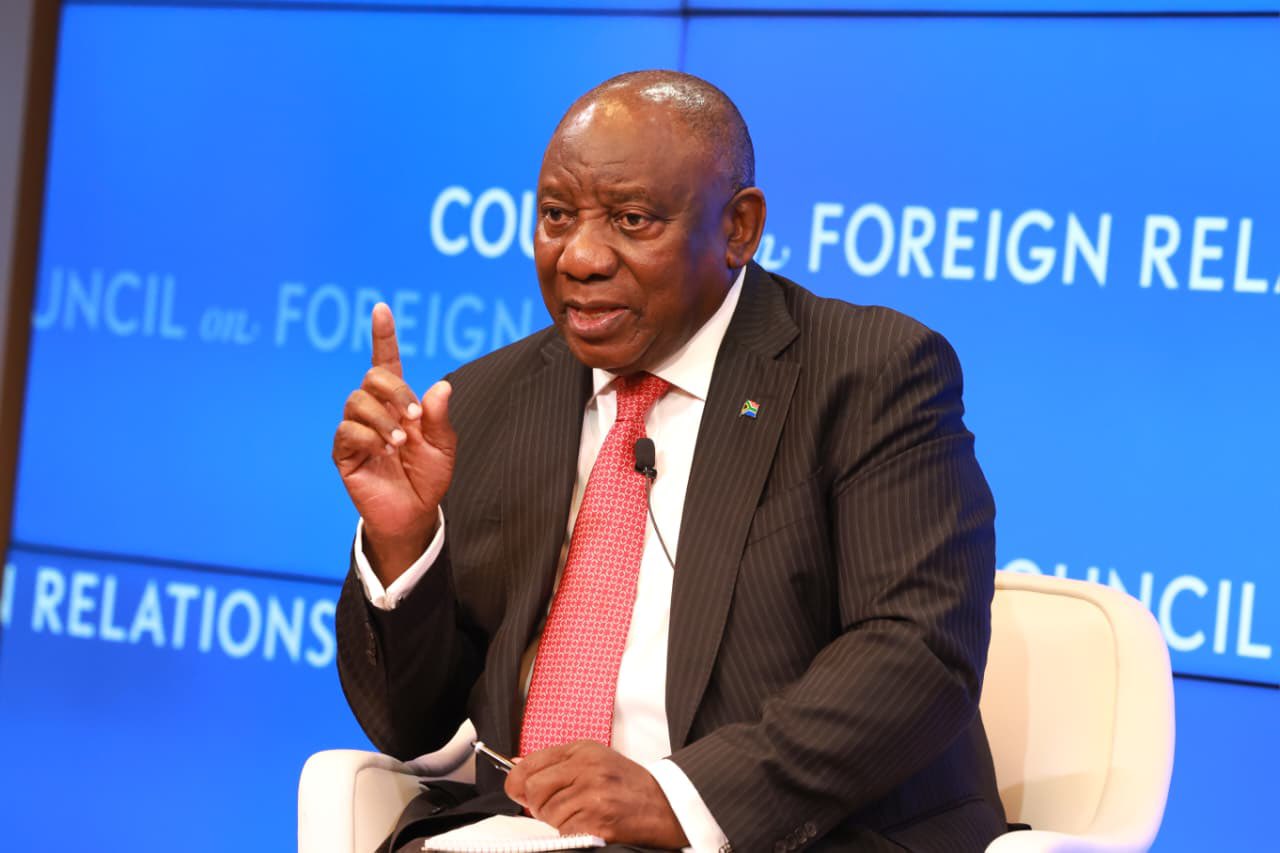
South African President Cyril Ramaphosa has stressed that foreign nationals living legally in the country must be protected under the law, while also acknowledging growing public concerns over undocumented immigration and border management.
In an address ahead of planned protests scheduled for 30 June, Ramaphosa said that while South Africans have the constitutional right to demonstrate, such protests must remain peaceful and within the bounds of the law. He warned against intimidation, vandalism and violence, stating that no grievance justifies unlawful conduct.
“Some foreign nationals who live in South Africa are here lawfully. They work, study, raise families, invest in our economy and contribute positively to our society. They too are entitled to the protection of our laws and our Constitution,” Ramaphosa said.
The President’s remarks come amid heightened tensions over illegal immigration, with several groups mobilising demonstrations to highlight concerns about porous borders, pressure on public services, and alleged criminal syndicates exploiting immigration systems.
Ramaphosa acknowledged that these concerns are “real and they deserve to be heard,” adding that government accepts the need for substantial reform of the immigration system. He outlined ongoing efforts to strengthen border management, improve enforcement against undocumented migration, and restore integrity to visa and asylum processes.
He further noted that corruption and weak enforcement have undermined immigration control in the past, and pledged that those responsible will be held accountable.


Over recent weeks, Ramaphosa said government had engaged a broad range of stakeholders, including traditional monarchs, Khoi-San leaders, labour unions, business representatives and religious organisations, in an effort to build consensus around reforms and promote social stability.
However, he drew a clear line against any form of vigilantism, warning that private individuals cannot assume the role of law enforcement. He referenced South Africa’s apartheid-era pass laws, saying they serve as a reminder of the dangers of allowing individuals to demand identification or restrict movement outside of constitutional authority.
“Taking the law into one’s own hands is vigilantism and has no place in our constitutional democracy,” he said, adding that such actions represent a betrayal of the very legal order they claim to defend.
The President also urged organisers of the planned protests to ensure their supporters act responsibly, noting that some had already committed to opposing violence. He said they would be held accountable for maintaining those assurances.
Ramaphosa emphasised that while protest is a protected constitutional right, it must not be used as cover for intimidation or destruction of property. He warned that law enforcement agencies are prepared to act decisively to protect public safety and uphold the rule of law.
At the same time, he called for unity and constructive engagement, urging citizens to work together with government in addressing immigration challenges through democratic institutions rather than confrontation.
“Freedom comes with responsibility,” he said. “We must reject violence and choose dialogue, law and justice over lawlessness and vengeance.”
He called on South Africans to protect both national security and constitutional values, insisting that the country is capable of addressing immigration concerns without undermining human rights or democratic principles.


Discussion about this post