



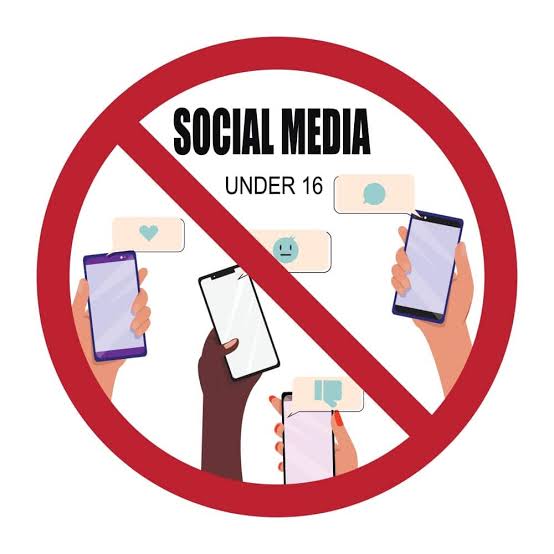
MBABANE – Britain has announced one of the world’s toughest crackdowns on children’s use of social media, with Prime Minister Keir Starmer confirming that children under the age of 16 will be banned from accessing major social media platforms in a move aimed at protecting young people from online harm.
According to Reuters, the new policy will prohibit under-16s from using platforms such as TikTok, Instagram, Facebook, Snapchat, YouTube and X, formerly Twitter.
The restrictions are expected to come into force next spring following the passage of legislation later this year.Announcing the measure on Monday, Starmer described the move as a “big moment” for child protection, saying the government could no longer ignore growing evidence linking excessive social media use to mental health challenges, cyberbullying and harmful interactions with strangers.
The ban goes beyond restricting access to social media platforms. Under the proposed rules, children under 16 will also face tighter controls on certain features in gaming and online messaging applications, including restrictions on communicating with strangers, disappearing messages and location-sharing functions.


Young people under 18 will also be blocked from accessing romantic or sexual artificial intelligence chatbots. Reuters reported that the British government’s decision follows a nationwide consultation that attracted more than 116,000 responses.
The consultation found overwhelming public support for stronger online protections, with about 90 per cent of parents backing a minimum social media age of 16.Britain’s approach is heavily influenced by Australia, which became the first country in the world to introduce a nationwide social media ban for children under 16 in 2025.
The British government has described its policy as an “Australia-plus” model because it extends restrictions to additional online services and features.However, the announcement has sparked debate among technology experts, child safety advocates and privacy campaigners.


Critics argue that enforcing such a ban will require robust age-verification systems, raising concerns about privacy and surveillance. Others warn that determined teenagers could simply migrate to unregulated platforms or use tools to bypass restrictions.
The debate is not unique to Britain. France has also explored stricter social media controls for children, while governments across Europe, Australia and other regions are considering tougher regulations amid concerns about the impact of social media on young people’s wellbeing.
The development is likely to attract attention in Eswatini, where smartphone ownership and social media use among young people have grown rapidly over the past decade.
While Eswatini has not proposed a social media ban, concerns over cyberbullying, online scams, exposure to harmful content and child online safety have increasingly featured in discussions among educators, parents and child protection organisations.International studies continue to show the scale of children’s online engagement.
The United Nations notes that young people aged between 15 and 24 are the most connected age group globally, while research across several countries shows teenagers spending significant amounts of time on social networking platforms every day.
Whether Britain’s decision becomes a model for other nations remains to be seen, but the move has already intensified the global debate over how governments should balance children’s safety, digital freedom and the growing influence of social media in everyday life.


Discussion about this post