



Mbabane – The Government of Eswatini has allocated E200 million from an E800 million loan guarantee scheme to cushion the impact of recent electricity tariff increases on households and businesses.
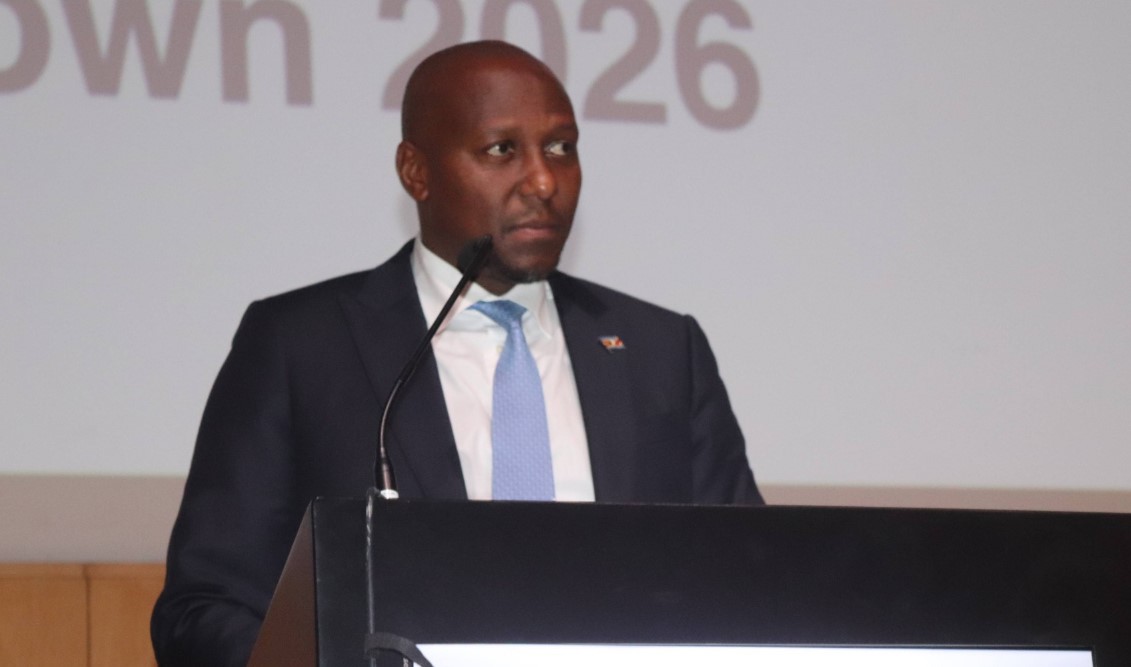
Minister of Finance Neal Rijkenberg revealed the move during the recent Finance in Focus session, explaining that the loan guarantee fund provides a financial buffer under the Public Finance Management framework. The support to the Eswatini Electricity Company (EEC) helped soften the tariff rise, although electricity prices remain elevated due to broader economic pressures and rising power supply costs.
“Fortunately, we had the loan guarantee scheme within the Public Finance Management laws, which had about E800 million in it, and E200 million has now been allocated towards supporting EEC,” Rijkenberg said.
The minister explained that the facility is structured as a loan guarantee, allowing government to support EEC while maintaining accountability and financial sustainability. He emphasised that the principle of “user pays” is key, noting that the government cannot fully subsidise electricity consumption without risking long-term fiscal challenges.


“One cannot keep taxing people and paying someone else’s electricity. Those who use electricity must pay for it,” he said, stressing the balance between cushioning citizens and adhering to sound fiscal management.
Rijkenberg also highlighted concerns over the simultaneous rise in electricity and fuel prices, which have put additional pressure on households and businesses. The government, he said, has implemented measures to soften the blow, including financial support mechanisms and engagement with regulators.
In parallel, the minister revealed ongoing efforts to secure additional budget support from international concessional funders. Discussions are underway with institutions such as the World Bank, African Development Bank, and the OPEC Fund to explore financing options that strengthen the country’s fiscal position. Key negotiations are planned in Washington, DC, to secure affordable funding for development programmes and economic stability.
On fuel prices, Rijkenberg praised the efforts of the Minister of Natural Resources and Energy in growing the fuel stabilisation fund from about E300 million to nearly E1 billion. The fund, built through contributions from fuel users during low-price periods, allows the government to subsidise prices during global price spikes.


“Our government is heavily subsidising fuel through the fuel stabilisation fund, which helps reduce the impact of global price shocks on consumers,” he said.
The Finance Minister reiterated that both the electricity and fuel measures aim to protect households while ensuring government finances remain sustainable.


Discussion about this post