



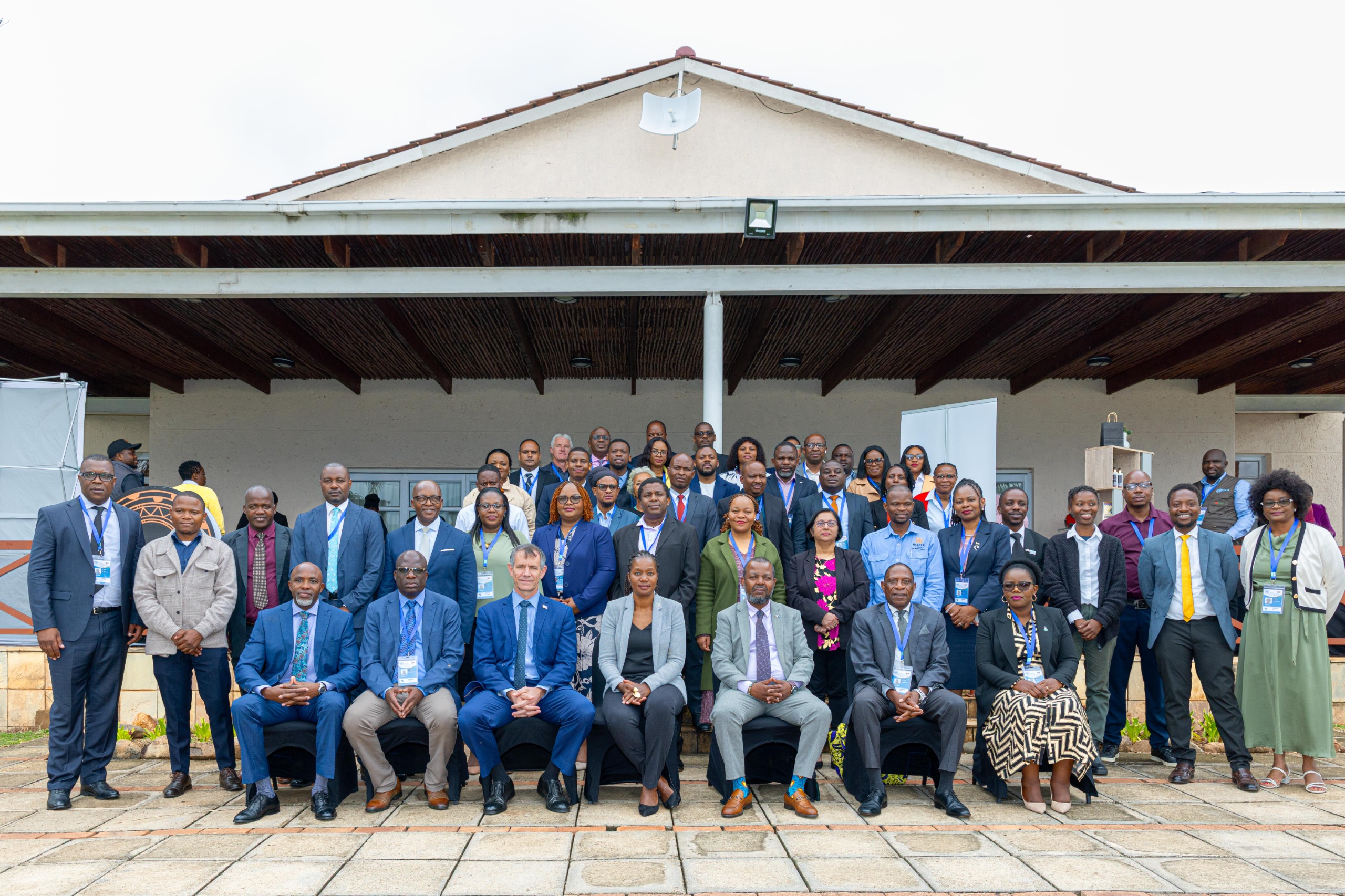
MBABANE – Eswatini has been named among the few Southern African countries that achieved strong economic growth in 2024, despite a regional slowdown caused by drought and falling global commodity prices.
According to the latest report by the United Nations Economic Commission for Africa (ECA), presented during the 31st Inter-Governmental Committee of Senior Officials and Experts (ICSOE) meeting at Royal Villas, the region’s overall growth slipped to 3.5 percent from 3.9 percent in 2023.
The report notes that Eswatini, alongside Angola, Mauritius, and Zambia, recorded gross domestic product (GDP) growth of 4 percent or higher. The kingdom’s performance was attributed to increased activity in manufacturing, mining, and construction, particularly the ongoing Mpakeni Dam project.
ECA’s projections indicate that the region’s economic recovery will strengthen in 2025, with growth expected to rise to 3.8 percent, supported by improved rainfall and resilient industrial performance.


Inflationary pressures eased across Southern Africa, falling from 10.5 percent in 2023 to 9.4 percent in 2024. Eswatini was among six countries that achieved the Southern African Development Community (SADC) inflation target range of between 3 and 7 percent, thanks to stable food supplies and a steady local currency.
Fiscal management also showed improvement, with the regional average deficit narrowing to 2.7 percent of GDP, down from 3.2 percent. Eswatini, Angola, Lesotho, and Zimbabwe all met the SADC target of a 3 percent fiscal deficit. Public debt levels across the region declined slightly to 59.6 percent of GDP, reflecting tighter spending controls and debt restructuring.


The report noted that industrialisation remains a challenge, as the manufacturing sector contributes just 12.3 percent to the region’s total GDP. However, several countries, including Eswatini, Zambia, Namibia, and Malawi, are rolling out new industrial policies to promote agro-processing, mining, and energy-based industries aimed at creating jobs and boosting exports.
Persistent power shortages were cited as a key constraint to growth, with only about half of Southern Africa’s population having access to electricity. Nonetheless, renewable energy initiatives are expanding across the region. South Africa, Zambia, and Zimbabwe are developing solar and hydro projects, while Namibia is investing heavily in a green hydrogen programme.
The report also raised concerns about the looming expiry of the United States’ African Growth and Opportunity Act (AGOA), which provides trade access to American markets. The ECA cautioned that textile-reliant economies such as Lesotho and Eswatini could face serious challenges if the programme is not renewed, urging regional countries to increase trade cooperation under the African Continental Free Trade Area (AfCFTA).


Discussion about this post