



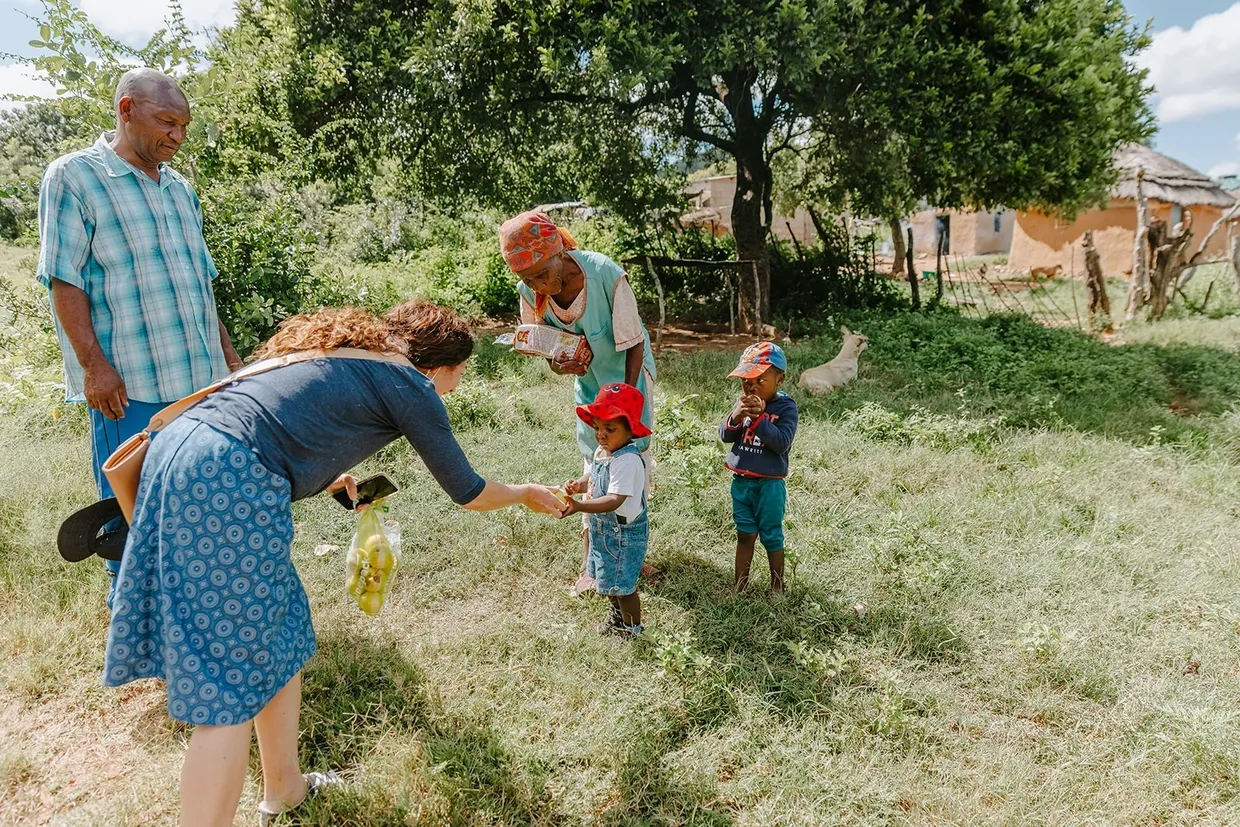
Mbabane – As the world marked the International Day for the Eradication of Poverty this week, Eswatini stands at a critical moment between hardship and opportunity. The country continues to battle deep poverty and the growing impacts of climate change, both of which threaten its long-term development but also open a window for transformation.
The recently released 2025 Global Multidimensional Poverty Index by the United Nations Development Programme and Oxford University reveals that 1.1 billion people around the world are still living in poverty, with hundreds of millions directly exposed to climate risks. Eswatini is among those countries facing the twin challenges of inequality and environmental vulnerability despite its middle-income status.
More than 58 percent of Emaswati live below the national poverty line, while about 20 percent endure extreme poverty. Unemployment among young people stands at 56 percent, leaving many without stability or prospects for the future. These economic struggles are now closely linked to the accelerating effects of climate change, which are reshaping livelihoods and worsening inequality.
Many rural communities that once relied on agriculture are finding it increasingly difficult to survive. Prolonged droughts have dried rivers and destroyed crops, while flash floods have washed away homes and infrastructure. Rising temperatures are threatening livestock and food security, pushing more families into poverty and revealing the weaknesses of Eswatini’s traditional economic model.


Despite these difficulties, experts believe Eswatini can turn crisis into opportunity by strengthening resilience and innovation. The government has already laid a foundation through its Nationally Determined Contributions and Long-Term Low Emission Development Strategy, which together envision a future driven by renewable energy, climate-smart agriculture, and sustainable growth.
Analysts argue that expanding investment in green jobs, clean energy, and climate-resilient farming could help reduce poverty while protecting the environment. The development of solar mini-grids in rural areas could bring electricity to underserved communities, create employment, and boost local businesses. Programmes that support women and youth in eco-enterprise activities could also strengthen community resilience and improve household income.
Examples from countries such as Rwanda and Costa Rica show that economic progress and environmental sustainability can advance together. Experts say Eswatini can follow similar models by adopting inclusive growth policies and improving local governance. The private sector is encouraged to play a greater role by investing in renewable energy industries and supporting small-scale farmers adapting to the effects of climate change.
Human capital is viewed as the foundation of this transformation. Education, vocational training, and innovation are critical to preparing young people for opportunities in green technology, agribusiness, and digital entrepreneurship. When citizens are equipped with these skills, poverty reduction becomes achievable and sustainable over the long term.


Although Eswatini contributes little to global greenhouse gas emissions, it bears a heavy burden of the consequences. Development experts believe that embracing climate resilience as a central pillar of growth can help the country turn vulnerability into strength and serve as an example for the Southern African region.


Discussion about this post