



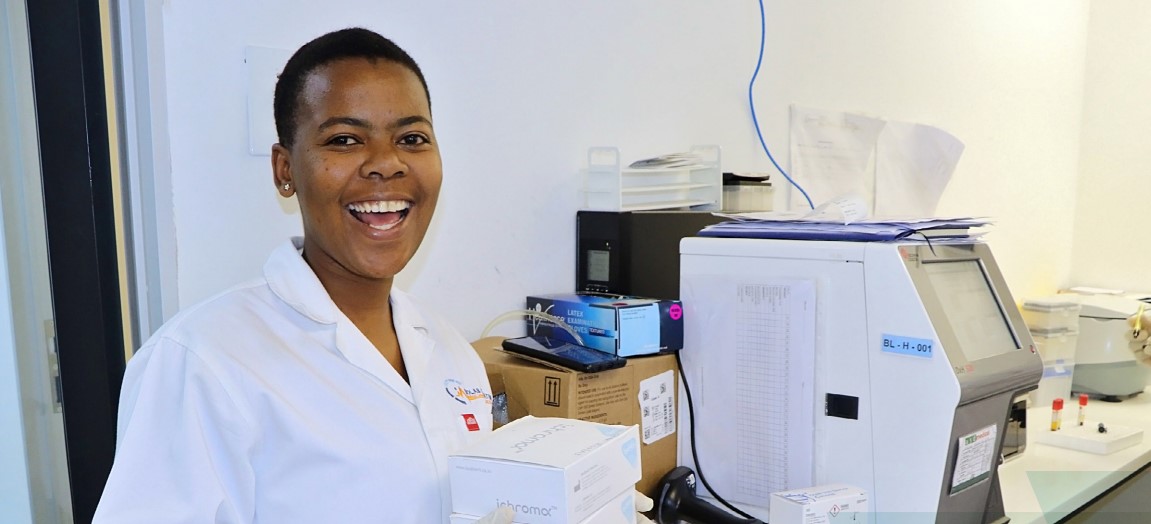
Mbabane – The Government of Eswatini, in partnership with the United Nations Development Programme (UNDP), academia, private sector players and civil society organisations, has launched the Eswatini Youth Empowerment Programme (EYEP) to tackle high youth unemployment in the country.
Announced by His Majesty King Mswati III at Lozitha Royal Palace on 10 November 2022, EYEP focuses on four main streams: graduate internships, artisanal skills training, Innovation Hubs (i-Hub), and entrepreneurship. Since its rollout in 2023, the programme has offered young graduates opportunities to apply their skills while helping host organisations improve productivity, and has allowed artisans to generate income for their communities.
The programme is especially critical given Eswatini’s youth unemployment rate, which stands at 56% among those aged 15–35, well above the national average of 35.4%, according to the 2023 Eswatini Integrated Labour Force Survey. Approximately 4,000 graduates enter the local workforce annually, but opportunities remain limited. Afrobarometer surveys show half of young people in the country are actively seeking work.
Minister of Economic Planning and Development, Hon. Dr Tambo Gina, said EYEP is part of the government’s commitment to creating inclusive economic opportunities for young emaSwati. “This initiative provides graduates with real workplace experience and non-graduates with artisanal skills to support livelihoods,” Dr Gina said.


The graduate internship component launched in January 2023 with 2,800 registered applicants on the EYEP online portal. During the pilot phase, 249 graduates were matched to six-month placements at 66 host organisations, including government ministries, UN agencies, NGOs, and private companies. A 2024 EYEP Impact Assessment Report found that 97% of these graduates had no prior work experience. Of 151 survey respondents, 55% are now pursuing pathways leading to improved employment outcomes.


By August 2025, EYEP had registered 4,128 graduates, with 316 successfully matched to placements. The gender distribution among participants is 44% male and 56% female. Host organisations benefit from trained, motivated interns while contributing to the country’s economic transformation.

Graduates have shared positive experiences. Lindokuhle Lukhele, who graduated in Journalism and Mass Communication in 2020, spent three years unemployed before joining EYEP at the Eswatini Communications Commission. She now works with the Ministry of Housing and Urban Development as a Communications Officer. Mhlonishwa Mamba, a 26-year-old Environmental Management graduate, secured a permanent role with the Eswatini Environment Authority after completing his internship.
EYEP continues to identify high-demand skills, including accounting, finance, marketing, civil engineering, and environmental management. The programme also uses a digital recruitment system that matches graduates’ skills to host organisation needs, reducing recruitment costs and ensuring transparency.
The Ministry of Economic Planning and Development provides funding for stipends, training, and administrative support, while private and public sector partners contribute resources to expand opportunities. Major contributors include the Ministry of Economic Planning and Development (E35.2 million), UNDP (E6 million), Eswatini Bank (E1.2 million), and other institutions, supporting the various EYEP streams.
Since 2023, 66 organisations have hosted graduates for at least six months, helping young people gain practical skills, workplace experience, and confidence to build sustainable careers in Eswatini.


Discussion about this post