



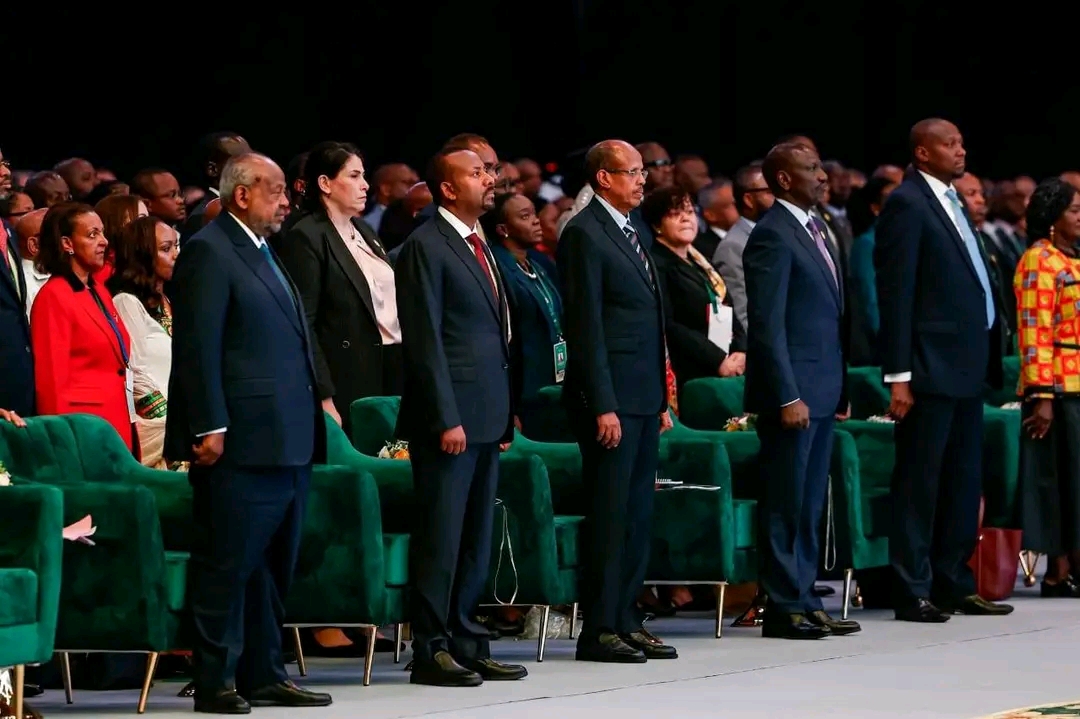
Addis Ababa, Ethiopia – Prime Minister of Eswatini, Russell Mmiso Dlamini, has called for stronger international support to accelerate Africa’s green transition, urging for reforms in global climate financing to raise the continent’s share of renewable energy investments to at least 20 percent by 2030.
Speaking yesterday at the opening of Africa Climate Week in Addis Ababa, held under the theme “Accelerating Global Climate Solutions – Financing for Africa’s Resilient and Green Development,” Dlamini declared Eswatini’s commitment to collective climate action and pledged unity with African nations in advancing sustainable development.
He also highlighted findings from the Intergovernmental Panel on Climate Change (IPCC) Sixth Assessment Report which estimates Africa will need nearly US$3 trillion to meet Nationally Determined Contributions (NDCs) by 2030.
However, the actual climate finance flows remain alarmingly low, amounting to just US$30 billion between 2021 and 2022.


“The Kingdom of Eswatini joins the call in the Draft Declaration for transformative climate financing, moving from aid to strategic investments in local innovation,” Dlamin said.
He stressed the need for equitable access to climate finance, reform of global funding mechanisms including Multilateral Development Banks (MDBs), and the introduction of debt instruments that support climate action without overburdening African economies.
The Prime Minister also urged the operationalisation of the Fund for Responding to Loss and Damage, finalisation of the New Collective Quantified Goal on climate finance, and support for high-integrity carbon markets under initiatives like the Africa Action Plan on Carbon Markets.
He warned against unilateral measures such as the European Union’s Carbon Border Adjustment Mechanism, which could cost Africa up to US$25 billion annually by 2030.
Reaffirming Eswatini’s approach, Dlamini cited the country’s Tinkhundla system of governance, which places people and communities at the centre of decision-making.


He pledged support for initiatives such as the Africa Climate Innovation Challenge to channel catalytic finance towards youth-led enterprises and nature-based solutions.




Discussion about this post