



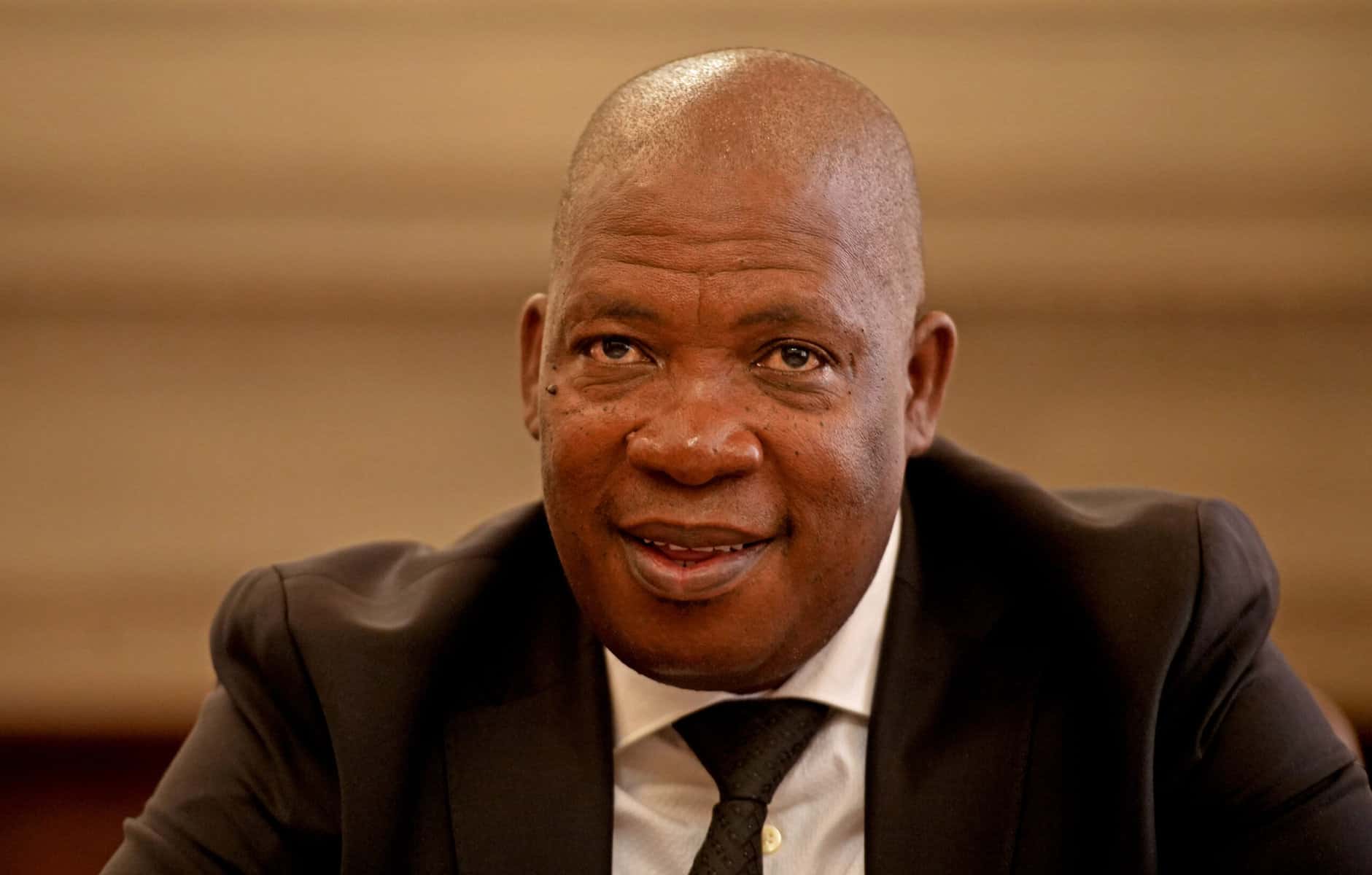
Johannesburg – Gauteng Premier Panyaza Lesufi has announced a series of measures to curb land invasions and illegal informal settlements across the province. The announcement came this week as he provided updates on provincial projects and preparations for the G20 summit scheduled for November.
Premier Lesufi said the Nasispani job creation project will be relaunched, while infrastructure work is underway to ensure the province is ready to host the global event. “Every Tuesday we meet with mayors and national agencies to coordinate resources and track progress,” he said. The province has identified critical infrastructure issues, including potholes, broken street lights, and faulty traffic signals, and is addressing them collectively.
Lesufi explained that past challenges arose from poor coordination among municipalities, especially during coalition changes. “Previously, one executive mayor refused to attend joint meetings, which contributed to infrastructure decay. Now all municipalities are planning together, sharing resources, and prioritizing the most critical areas,” he said.
The Premier provided examples of improvements, including stabilized electricity supply in partnership with ESCOM, upgraded water infrastructure, and targeted infrastructure repairs. Efforts to tackle crime have seen the arrest of multiple syndicate members involved in kidnappings and cash heists.


On illegal settlements, Lesufi said authorities have identified 400 locations across Gauteng and are preparing coordinated action. “We have profiled residents, distinguishing between South Africans who are on waiting lists for housing and those who are not. Lawlessness will not be allowed to persist,” he said. Evictions will be carried out at night to ensure safety, with South African residents provided alternative housing, while non-citizens will need to document themselves to access services.
The Premier also raised concern over sinkholes in Meafong, which have threatened schools and homes. He called for resources to prevent potential disasters before the rainy season, warning that delays could have serious consequences.


Transport remains another focus, particularly regulating rogue taxis and ensuring public transport reliability. Lesufi said a special unit now works with the taxi industry to enforce licensing rules, while negotiations continue with political parties to fill municipal leadership positions affecting service delivery.
Finally, Lesufi noted that coalitions have complicated governance in the province, with political negotiations delaying key appointments and projects. “Coalition management is challenging, but the focus remains on service delivery and ensuring law and order,” he said.




Discussion about this post