



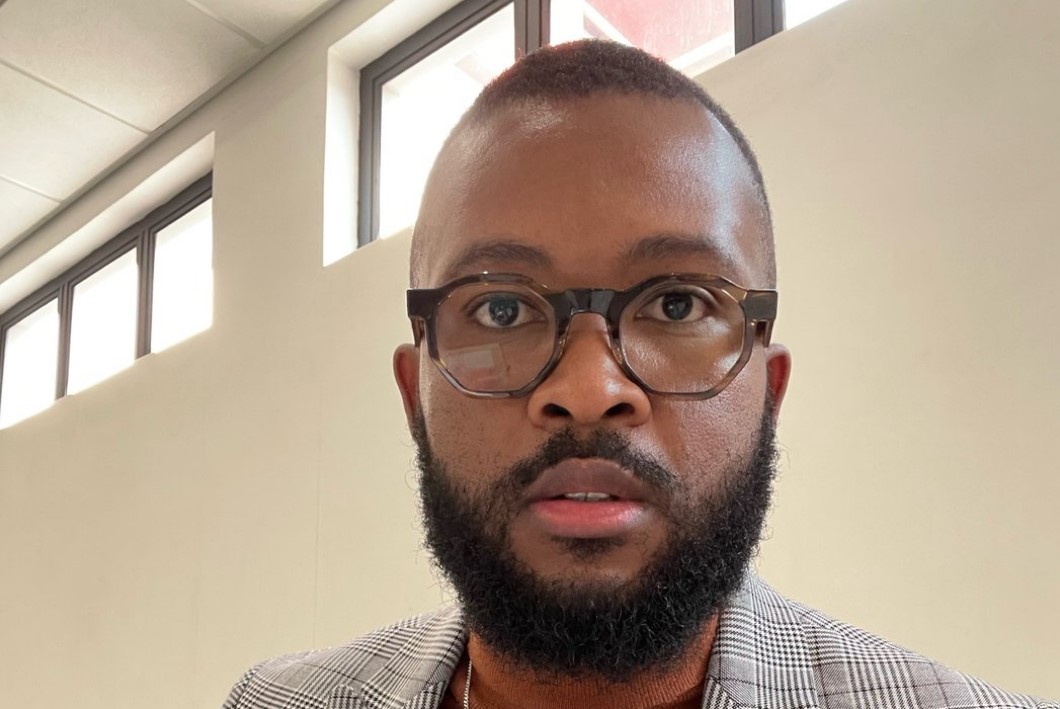
MBABANE – The Eswatini Sexual and Gender Minorities (ESGM) has dismissed allegations that it exists to promote homosexuality, insisting such claims are a fundamental mischaracterisation of the organisation’s purpose.
ESGM stated that its core mission is to create a safe, inclusive and equitable environment for sexual and gender minorities. The organisation said its work is grounded in support, education and community human rights initiatives, and not in pushing any “agenda.”
The statement comes after the Minister of Commerce, Industry and Trade declined to register ESGM as a company, citing concerns that the group promotes homosexuality. ESGM has since approached the High Court to review the minister’s decision.
According to Melusi Simelane, who is the founder of ESGM, the minister’s assertion is both baseless and unconstitutional. He explained that the organisation’s activities are lawful, transparent, and aligned with international best practices on human rights.


Simelane emphasised that the term “Eswatini Sexual and Gender Minorities” is neutral, widely accepted globally, and accurately reflects the statistical reality that people with diverse sexual orientations and gender identities exist as a minority. He added that the minister’s blanket condemnation of the name was irrational and an infringement on the right to freedom of expression and association, which are protected by the Constitution.
Simelane further argued that the minister overstepped his mandate by relying on Eswatini customary law to justify his refusal to register ESGM. He pointed out that the minister of commerce has no authority or expertise to interpret complex customary law, as such matters fall under traditional authorities, community elders and specialised legal scholars.


He highlighted that the Constitution of Eswatini is the supreme law of the land, guaranteeing rights to dignity, equality and non-discrimination. Using customary law to restrict the rights of sexual and gender minorities, he said, was both dangerous and unconstitutional.
“It is highly improbable that the minister’s portfolio would grant him authority to adjudicate on complex customary law, particularly when such interpretations infringe on fundamental human rights,” argued Simelane.
The case is still pending before the courts, with the government yet to file responding papers. ESGM is represented by Sibusiso Nhlabatsi of Motsa Mavuso Attorneys, alongside other applicants such as the Swaziland Rural Women’s Assembly.




Discussion about this post