



JOHANNESBURG – Indian carmaker Tata is making a comeback to South Africa’s passenger vehicle market, nearly a decade after it exited without fanfare.
The announcement was confirmed this week, with the relaunch expected to take place next month. While Tata has remained active locally through its commercial truck and bus operations, this marks its first step back into the private vehicle segment since 2017.
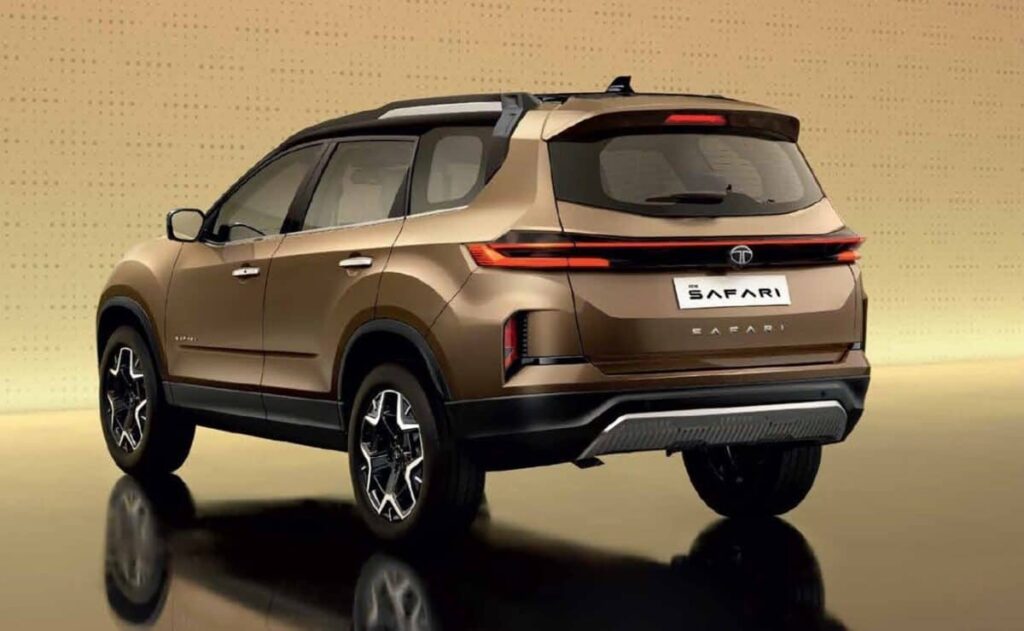
Although the company has yet to publish a formal product list, an official invitation has hinted at the return of the Safari SUV — a nameplate that quietly roamed South African roads in the early 2000s. The reimagined Safari is a completely modern machine, bearing little resemblance to its predecessor.
The new Safari, which debuted globally in 2021 and was facelifted two years later, is built on the D8 platform developed under Tata’s ownership of Jaguar Land Rover. It shares its underpinnings with the Discovery Sport and Range Rover Evoque and measures 4.7 metres in length with a 2.74-metre wheelbase.

Unlike the original body-on-frame Safari with optional four-wheel drive, the latest version is front-wheel drive only. It is offered in either a 7-seater format or a 6-seater configuration featuring ventilated captain seats in the second row.
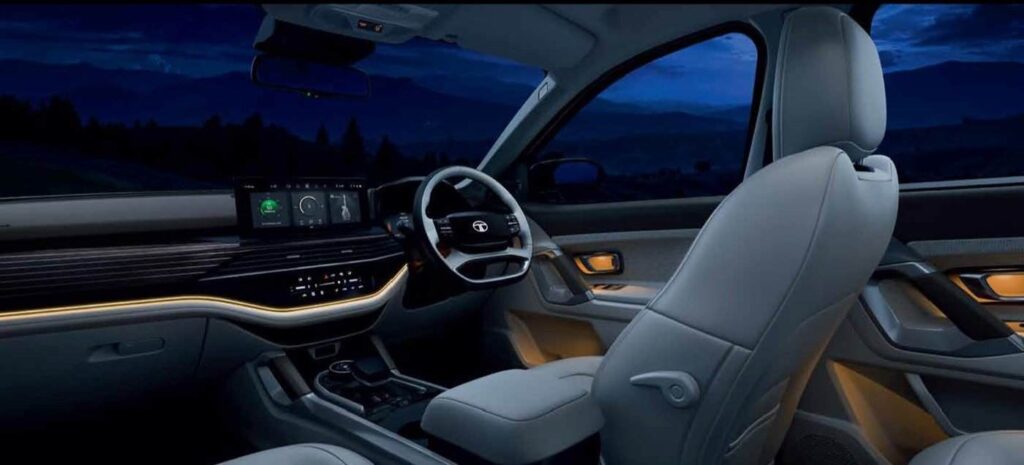
Boot space varies between 211 litres with all seats up and 1 550 litres with the rear rows folded. The SUV is powered by a 2.0-litre Kryotec turbodiesel engine — based on Fiat’s Multijet unit — producing 125kW and 350Nm, mated to either a 6-speed manual or automatic gearbox.
The Safari will be available in five trims: Smart, Pure, Stealth (limited edition), Adventure, and Accomplished. Depending on the model, buyers can expect 16- to 19-inch wheels, LED headlights, dual-zone climate control, push-button start, JBL sound system, panoramic sunroof, ventilated front seats, a powered tailgate, and ambient interior lighting.
Infotainment is handled via either a 10.25-inch or 12.3-inch touchscreen system, both supporting wireless Android Auto and Apple CarPlay. A digital instrument cluster, USB-A and USB-C ports, and voice command also feature as standard.
On safety, the Safari includes seven airbags, a 360-degree camera, hill descent control, driver alert systems, parking sensors, and tyre pressure monitoring, along with 21 other advanced driver assistance technologies. It also comes with drive and terrain mode selectors.


The vehicle is priced in India from Rs 1.55 million to Rs 2.72 million — a direct conversion places it between R320,000 and R560,000 before import duties and local taxes.
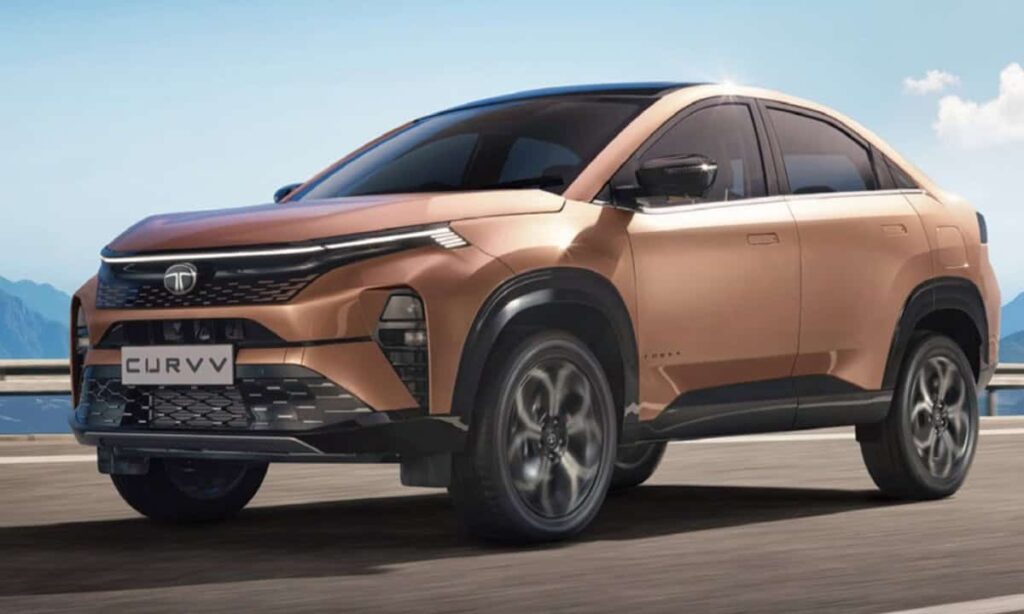
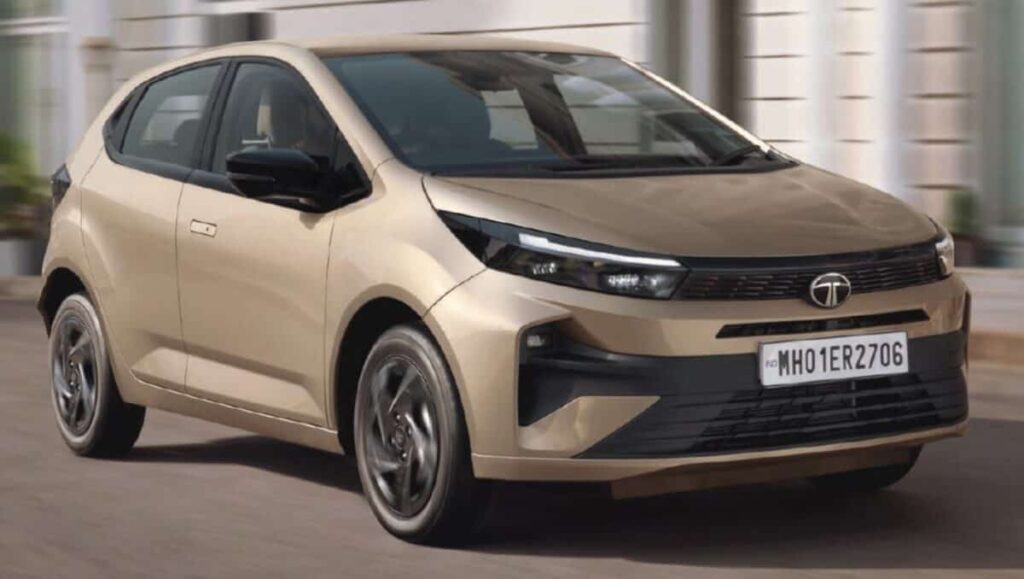
While the Safari is expected to be the flagship model, Tata may also introduce the smaller Punch SUV and the Altroz hatchback. There’s also speculation that the recently launched Curvv could join the line-up. Full details will be revealed at the official launch event in September.


Discussion about this post