



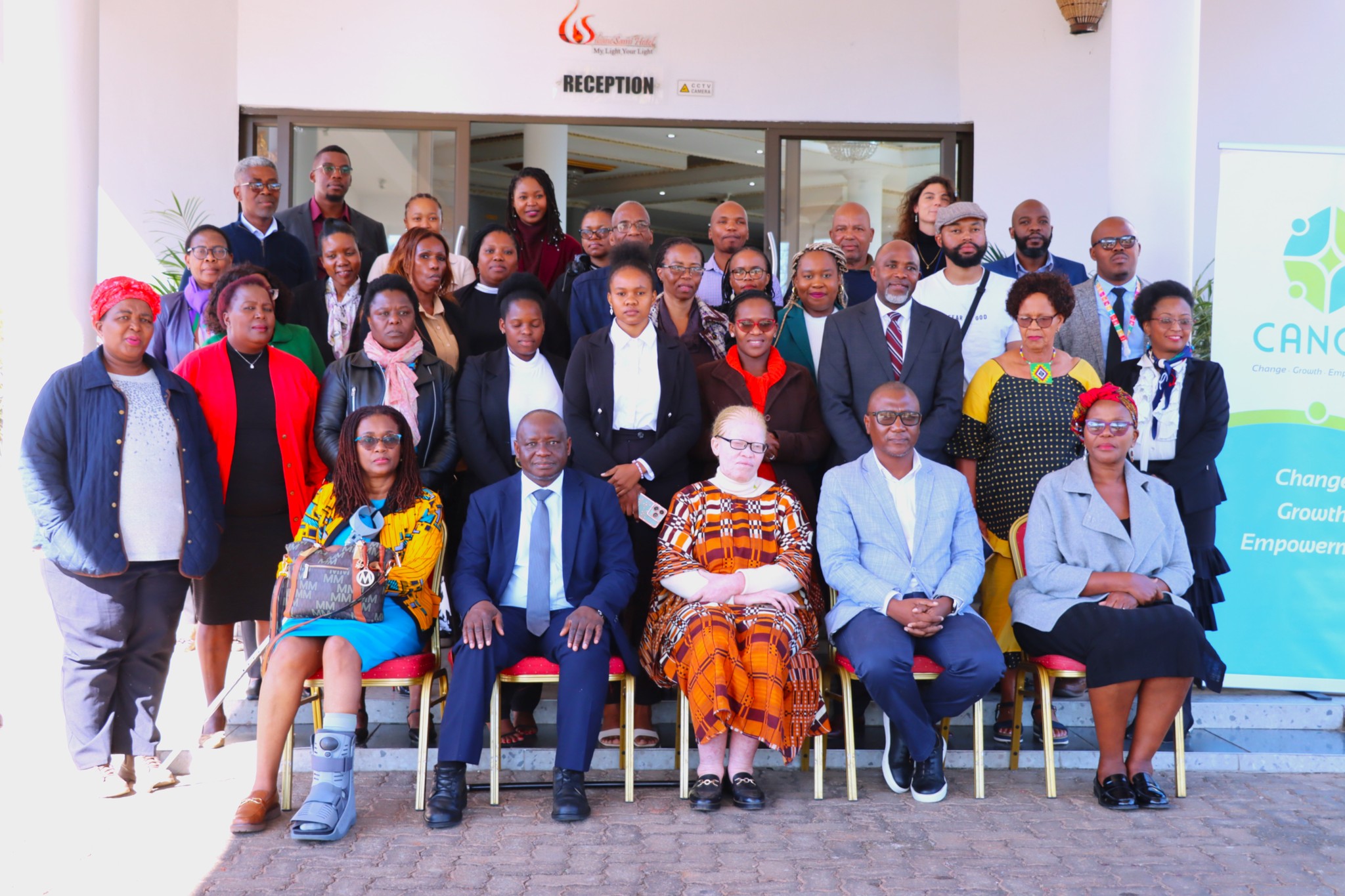
EZULWINI – Civil society leaders have called for development in Eswatini to be anchored in local realities, during a high-level consultation held on Monday to shape the country’s next United Nations Sustainable Development Cooperation Framework (UNSDCF) for 2026–2030.
Led by the Coordinating Assembly of Non-Governmental Organisations (CANGO) and supported by the United Nations Country Team (UNCT), the gathering brought together grassroots organisations, national stakeholders and UN agencies to co-create the blueprint that will guide international development efforts in the Kingdom for the next five years.
The meeting, held in Ezulwini, comes at a critical moment as the country seeks to accelerate progress towards the Sustainable Development Goals (SDGs) amid deepening challenges such as high youth unemployment, climate-related shocks and ongoing public health concerns.
UN Eswatini officials explained that the UNSDCF is the UN’s main tool for aligning its support with government priorities, and for channelling international resources towards national development goals. Civil society’s role is seen as vital in shaping this framework from the onset.


Among the themes up for discussion were youth employment, green economy transitions, health systems, education reform, and strengthening governance and social protection.
CANGO Director Emmanuel Ndlangamandla said the dialogue provided a space for communities to influence the development agenda directly, rather than being passive recipients of aid. He described civil society not just as service providers, but as essential partners in accountability, evidence-gathering, and innovation.
“We are the eyes and ears on the ground. We speak the language of the people, and we represent their daily realities in decision-making spaces,” said Ndlangamandla.


Several speakers warned that without meaningful inclusion of civil society, development plans risk being disconnected from people’s lives, particularly those in rural and marginalised communities.
Youth representatives also raised concerns about access to jobs, education and mental health support, noting that Eswatini’s young population remains vulnerable despite repeated commitments from government and donors.
Discussions also touched on systemic issues affecting development outcomes, such as corruption, governance gaps, and uneven distribution of resources. Civil society actors pledged to continue pushing for transparency and participation throughout the UNSDCF process.
With only five years left until the 2030 global deadline, organisers said the urgency to get development right cannot be overstated. The meeting marked the beginning of a broader consultation process that will include more community-level input and sector-specific technical discussions.

Discussion about this post