



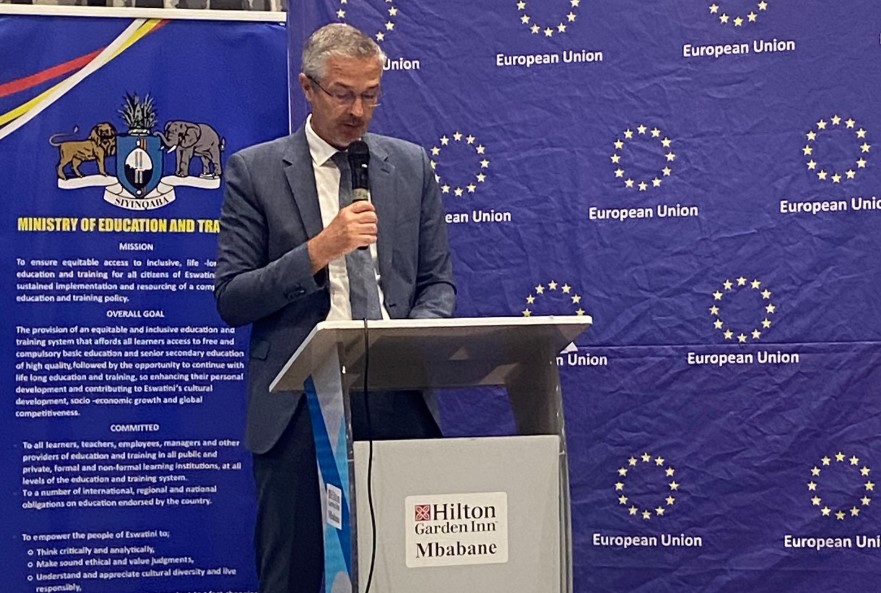
Mbabane – The Delegation of the European Union (EU) in Eswatini is set to enhance educational opportunities for Emaswati through its Erasmus+ programme. This initiative aims to facilitate access to EU universities for more students.
During an information session on Wednesday, the EU Ambassador to Eswatini, Karsten Mecklenburg, highlighted the €26 billion (E20.76 billion) budgeted for the 2021–2027 program cycle, making Erasmus+ one of the largest education initiatives worldwide.
“The European Union firmly believes in the transformative power of education,” said Mecklenburg. He expressed disappointment over Eswatini’s limited participation in the programme in previous years and emphasised the importance of the current session in empowering local educational institutions.
Engaging with the Erasmus+ programme will enable Eswatini’s universities and vocational institutions to access resources and networks that support innovation and curriculum development, he noted.


Last year, some higher education institutions in Eswatini showed interest in participating in Capacity Building in Higher Education and International Partnerships, which was welcomed by the EU.
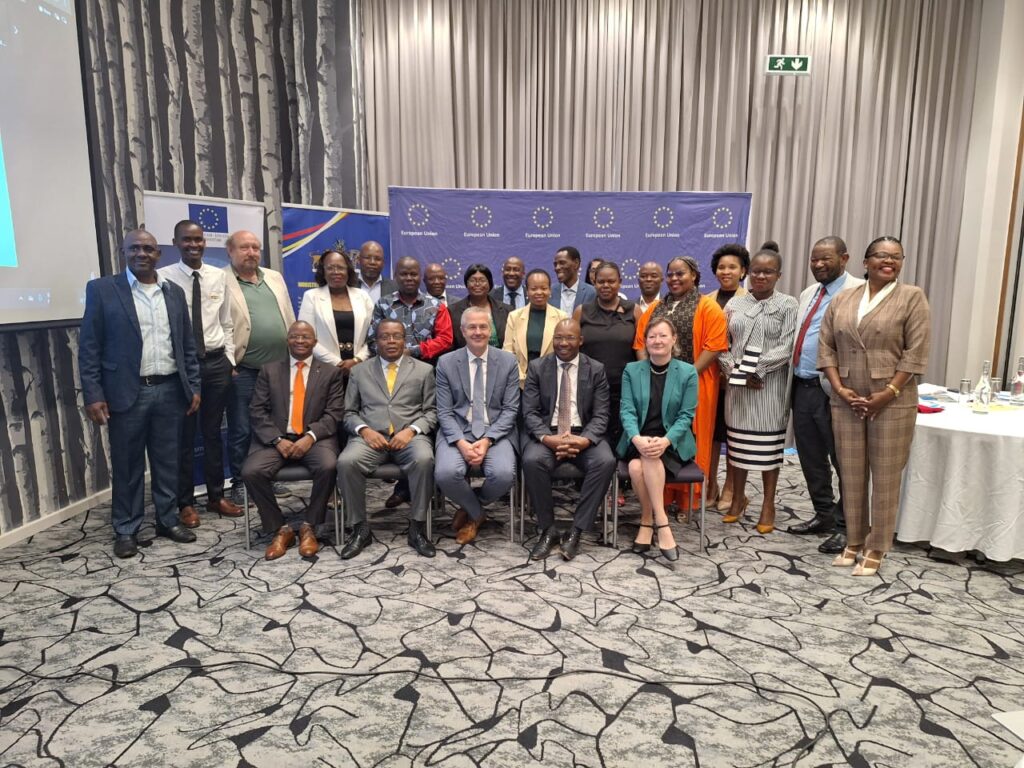
Mecklenburg also mentioned collaboration with the Erasmus+ Regional Support Team to provide technical support and share best practices with Eswatini’s institutions.
The Under Secretary of the Ministry of Education and Training, Lungelo Nhlengetfwa, expressed gratitude for the EU’s support, stating it would help realise the ministry’s vision of internationalising the education system. He emphasised that this effort aims to prepare students for modern demands and build a globally competitive education sector.
Nhlengetfwa noted that the programme has the potential to transform students’ lives and the education landscape in Eswatini. He highlighted the EU’s commitment to developing quality education as crucial for the country’s global competitiveness.
Previously, EU support through the European Development Fund and the Support to Education and Training (SET) programme helped Eswatini achieve a net enrollment rate of over 97 percent in primary education and introduced a competency-based curriculum.
Currently, EU efforts focus on enhancing market-driven technical and vocational education, aiming to empower youth, women, and vulnerable groups with skills for employability and entrepreneurship.


Mecklenburg announced that, despite some delays, the main components of the programme will commence soon.
The information session brought together stakeholders from universities, TVET institutions, and policymakers to learn about these significant educational opportunities.


Discussion about this post