



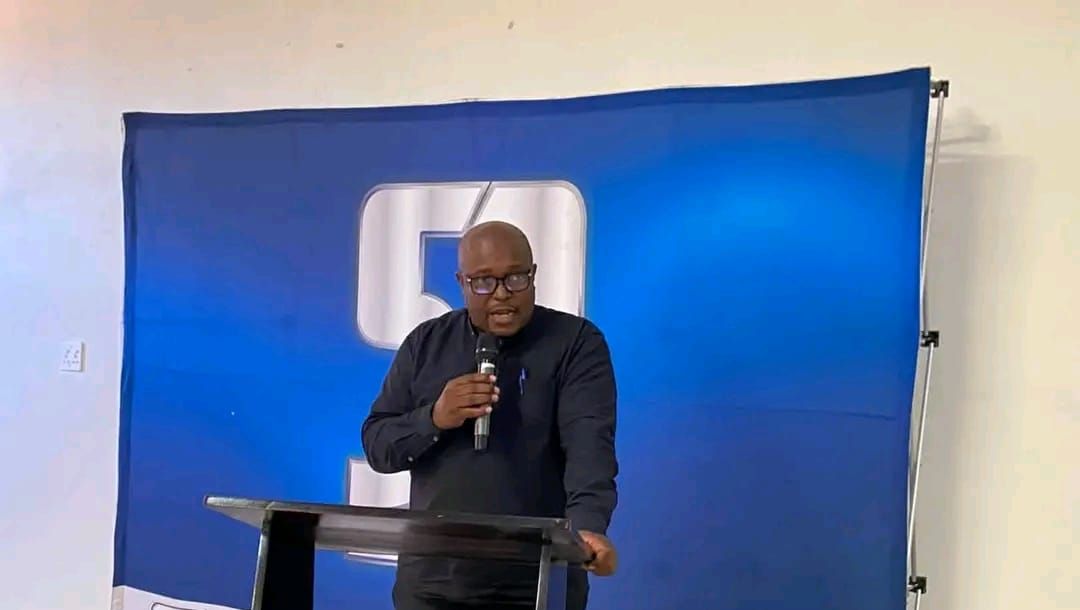
Mbabane- Eswatini Railways wants scrap yard owners closely monitored to stop the trade in suspected stolen railway materials, raising fresh concerns about the security of critical national infrastructure and the cost of vandalism to the country’s economy.
The call was made on October 12,2026 during the launch of Railway Safety Week at The George Hotel in Manzini, where transport stakeholders highlighted the need for stronger community involvement in protecting railway lines, preventing accidents and safeguarding public assets.
The concern comes as authorities continue to confront the trade in suspected stolen metals and other infrastructure components.
The threat is not limited to railway infrastructure. In a crackdown in Mbabane, a joint operation involving the Mbabane Crime Investigation Department (CID), the Municipal Council of Mbabane and the Eswatini Environment Authority reportedly inspected nearly 12 scrapyards, with 10 found in possession of suspected stolen property. The items included stripped copper cables, car rims, household components, water valves and meters.


The operation resulted in arrests and criminal charges relating to possession of suspected stolen property, alongside alleged environmental offences under Section 41 of the Environmental Act. The findings illustrate the importance of scrutinising the scrap metal trade, where buyers can create a market for materials allegedly removed unlawfully from public infrastructure.
Eswatini Railways, the concern extends beyond the value of stolen metal. Damage to railway infrastructure can compromise operational safety, interrupt the movement of goods and expose railway users and employees to danger. Replacing damaged or stolen components also places additional pressure on resources that could otherwise be directed towards maintaining and improving railway services.


Representing the Principal Secretary in the Ministry of Public Works and Transport, Under Secretary Richard Phungwayo called on communities and stakeholders to take an active role in protecting public infrastructure, warning that vandalism undermines national development, disrupts essential services and drains government resources.
He emphasised that safeguarding transport networks and public facilities was a collective responsibility, with the protection of these assets directly linked to the country’s economic future.
Meanwhile, there was encouraging news from Eswatini Railways, which reported a 27 per cent reduction in accidents over the past year. The improvement highlights the importance of safety measures, although the reported reduction does not remove the need to address infrastructure vandalism and other risks along the country’s railway network.
Acting Chief Executive Officer of Eswatini Railways and Director of Corporate Services Emmanuel Simelane said safety was a shared responsibility that began with everyday habits and extended from operational sites to surrounding communities.
Under the theme, “Think Safe: From Workplaces to Communities, Every Action Counts,” this year’s Railway Safety Week seeks to strengthen safety awareness among employees, stakeholders and members of the public.
The initiative places emphasis on preventing accidents, protecting lives and ensuring that safety becomes part of daily decision-making, both within railway operations and in communities situated near rail corridors.
The appeal for closer scrutiny of scrapyards comes against the backdrop of infrastructure theft affecting essential services across the country. Copper cables, water meters and valves are among the items targeted by thieves, leaving utilities and communities to bear the consequences of damaged services and costly replacements.

Discussion about this post