



Mbabane- Nearly after seven years, the government of Eswatini has lifted the ban on livestock imports imposed in 2019 following the outbreak of Foot-and-Mouth Disease (FMD), reopening the country’s livestock market to imported breeding animals.
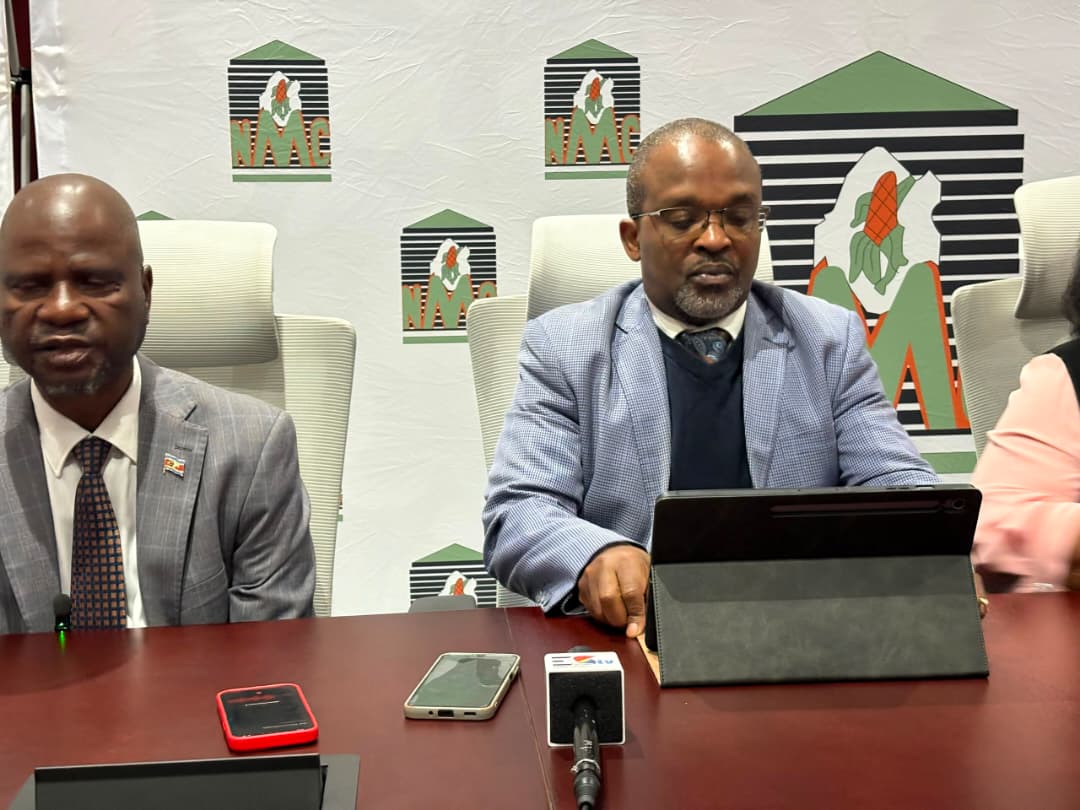
Minister of Agriculture Mandla Tshawuka announced the lifting of the restriction on Monday, saying the reopening would allow farmers to access new livestock genetics and support the recovery and growth of the country’s livestock sector.
The ban has been in place since 2019 after the country was hit by an FMD outbreak, which resulted in restrictions being imposed on the movement and importation of livestock as part of efforts to contain the disease. Tshawuka said the lifting of the ban followed the end of the outbreak, paving the way for livestock imports to resume under the required veterinary controls.
The reopening is expected to give farmers access to improved breeding stock and new genetics for the dairy, beef, goat and sheep sectors.However, the lifting of the ban does not mean that livestock can be imported into the country without restrictions.

The importation of animals will remain subject to veterinary requirements and disease-control measures designed to safeguard Eswatini’s animal health status.The Ministry of Agriculture has issued procedures governing the importation process, with prospective importers required to comply with veterinary requirements before animals can be brought into the country.
Farmers and other interested parties have been advised to approach their nearest Veterinary Office for guidance on the requirements and procedures to be followed.The reopening of the livestock market was announced alongside a major intervention aimed at reducing the cost burden on farmers ahead of the 2026/27 cropping season.
Tshawuka announced that Government had put E65 million on the table to cushion farmers against the rising cost of agricultural inputs under the Farm Input Programme. The subsidy is intended to make essential farming inputs more affordable for farmers as Government seeks to support agricultural production during the coming cropping season.


The two interventions are expected to provide relief to farmers in both the livestock and crop sectors, with Government seeking to strengthen domestic agricultural production and improve food security. For livestock farmers, the lifting of the import ban marks a significant shift after years of restrictions caused by the FMD outbreak.
The return of imported breeding stock is also expected to create opportunities for farmers to improve the quality and productivity of their herds and flocks through access to better genetics.


Discussion about this post