



Mbabane- Eswatini is being urged to revive the cultivation and consumption of indigenous vegetables after a study by South African organizations found that changing eating habits and growing reliance on processed foods are contributing to the rise of non-communicable diseases across the region.
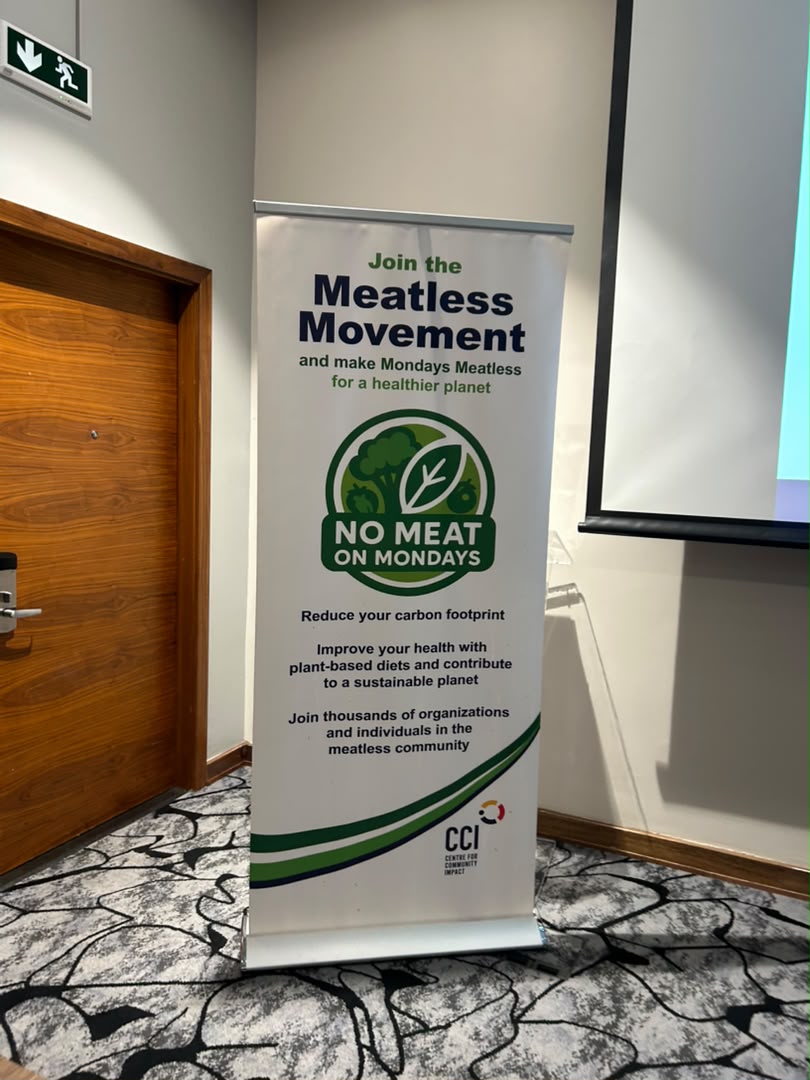
The findings were presented on Wednesday by the Centre for Community Impact (CCI) and Slow Food South Africa during a stakeholder workshop attended by representatives from the Ministries of Health and Agriculture as part of plans to introduce the global Meatless Monday initiative in Eswatini.
The landscaping and stakeholder mapping study, which drew on existing nutrition data, health policies and other published research on Eswatini, found that the country, like many others in Southern Africa, is experiencing a shift away from traditional, nutrient-rich foods towards processed foods, refined carbohydrates, sugary drinks and unhealthy fats.
According to the researchers, this transition is contributing to the growing prevalence of non-communicable diseases (NCDs), including diabetes, hypertension, obesity and cardiovascular diseases, while also placing additional pressure on household food security.


The organizations say reversing the trend will require more than encouraging people to reduce meat consumption. Instead, they argue for a return to indigenous vegetables, home food gardens and traditional diets that are both nutritious and environmentally sustainable.
Addressing stakeholders, Slow Food South Africa Councillor Dana Chasha said the Meatless Monday campaign should be viewed as a behaviour-change programme rather than simply a call for people to stop eating meat.
“What we are doing is saying people should not eat meat once a week on Meatless Monday,” she said.
“But on the Slow Food side, we are working with farmers through the 10,000 Gardens for Africa initiative. Every country must have its own gardens and every household should have a garden where they grow food that is nutritious.”
Chasha said many families have enough space in their backyards to produce vegetables that can improve household nutrition while reducing dependence on purchased food.
“Every household has a space that can be used to plant something that contains nutrients and is important for the family. Our children should know that spinach does not come from supermarkets. It comes from the backyard or the garden,” she said.
She said the initiative was also targeting schools to reconnect young people with agriculture and healthy eating.
“We are implementing programmes in schools because we want children to go back to the basics. We want to revive the way our forefathers and grandmothers practised organic farming instead of depending on chemicals,” she noted.
The study describes Meatless Monday as a global public health initiative that encourages individuals and institutions to dedicate every Monday to healthy, plant-based meals. First introduced in 2003, the campaign is now implemented in more than 40 countries to improve public health while promoting environmental sustainability and responsible food systems.


Researchers said Southern Africa is facing multiple challenges, including climate change, food insecurity, poverty and rapid urbanisation, all of which have influenced dietary patterns. As traditional foods become less common, communities are increasingly consuming highly processed foods that are often cheaper and more readily available.
The report notes that the campaign is not intended to discourage meat consumption altogether, but to promote dietary diversity by encouraging affordable, nutritious and culturally appropriate meals centred on locally available foods.
It further recommends expanding household and school gardens, strengthening nutrition education and building partnerships across the agriculture, health, education, environmental and community development sectors to encourage healthier lifestyles.
The stakeholder workshop formed part of a validation process through which government institutions and development partners will review the findings before agreeing on how the initiative can be adapted to Eswatini’s social, cultural and economic context.


Discussion about this post