



MBABANE – WH Mining (Pty) Ltd says its proposed KaLanga-Malindza anthracite coal mine in the Lubombo Region could create up to 500 jobs at full-scale operation, offering a significant boost to employment and economic activity in Eswatini.
The commitment is contained in the Environmental Impact Assessment and Comprehensive Mitigation Plan (EIA/CMP) prepared for the establishment of the KaLanga-Malindza Coal Mine, which is currently undergoing the environmental authorisation process.
According to the report, the project is expected to create approximately 100 jobs during the planning and construction phases, before expanding to around 300 direct jobs during operational stages and eventually reaching an estimated workforce of 500 employees when the mine reaches full production capacity.
The report notes that the project could play a meaningful role in addressing unemployment, particularly among young people. It cites United Nations Development Programme (UNDP) statistics showing that Eswatini’s youth unemployment rate stood at 50.9 per cent in 2021.
Beyond direct employment, the mine is expected to generate additional jobs through subcontractors, suppliers and businesses providing services to the project.
“The proposed project will therefore contribute significantly to the alleviation of unemployment and poverty in the country,” states the report.
The proposed open-cast anthracite coal mine will be developed on approximately 74.26 hectares of Eswatini Nation Land under Chief Maziya in the KaLanga area. The site is located about 52 kilometres east of Manzini and is accessible through the MR3 Mbadlane-Simunye Road.
Communities surrounding the project area include Malindza, Mpaka, Lonhlupheko, Matsetsa, KaLanga and areas near Hlane Royal National Park.
The mine’s infrastructure will include an open-cast mining area, rock dump area, processing plant, engineering workshop, office facilities and a pollution control dam.
As part of the environmental assessment process, two scoping meetings were held at Malindza and KaLanga umphakatsis on February 4 and 7 respectively. The meetings formed a mandatory component of the Environmental and Social Impact Assessment (ESIA) process and were aimed at gathering concerns and input from Interested and Affected Parties (IAPs).
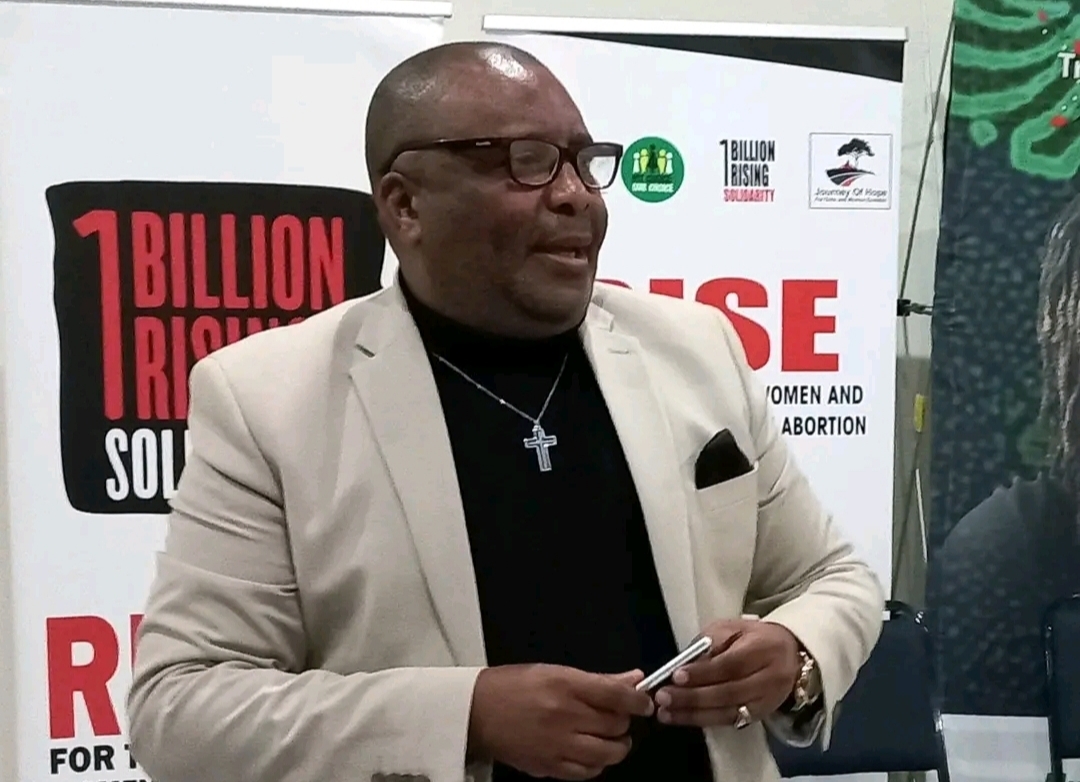
During the meetings, Director of WH Mining Macford Sibandze provided an overview of the proposed development and introduced WH Mining’s Feng Hu, who was described as having 26 years of business experience in Eswatini.
Sibandze informed stakeholders that the company had previously explored coal deposits in the Shiselweni Region before shifting its focus to Malindza and KaLanga after identifying limited coal reserves in the earlier prospecting area.
He explained that the proposed mining trail runs adjacent to the railway line towards Siteki, while plans are also in place to establish a water treatment plant and a coal washing plant.
According to the report, these facilities could create additional opportunities for local businesses while supporting the mine’s operations.
The company further told community members that local labour and resources had already been utilised during the exploration phase and that skills transfer would form a key component of the project’s development strategy.
Workers employed at the mine will receive training in mining and beneficiation operations, enabling them to acquire specialised skills and experience.
The report also highlights broader economic benefits expected from the project.
It states that local entrepreneurs could benefit from supplying materials, equipment and services during the construction and operational phases. Businesses operating in sectors such as construction, food supply and consulting are expected to find opportunities linked to the mine’s procurement needs.
“The project will provide a market for materials, equipment and services,” the report notes.
The assessment further argues that the mine could contribute to national economic growth by increasing the contribution of the mining sector to the country’s Gross Domestic Product (GDP).
According to data cited in the report, mining and quarrying contributed only 0.2 per cent to Eswatini’s GDP in 2021. The report suggests that the proposed operation could help strengthen the sector’s contribution while generating government revenue through taxes, including Pay-As-You-Earn (PAYE), Value Added Tax (VAT) and corporate income tax.


Infrastructure development is another anticipated benefit.
The report states that construction of access roads required for the mine will improve transportation networks in surrounding communities, potentially enhancing access to social services and supporting local economic activities.
WH Mining has also pledged to implement Corporate Social Investment (CSI) initiatives and establish bursary opportunities for local students as part of its community development commitments.
However, the assessment acknowledges that the project carries environmental and social risks that will require careful management.
Among the identified adverse impacts are potential pollution of land, water and air, waste management challenges, occupational health and safety risks, and disaster-related hazards associated with mining activities.
The report states that these impacts can be mitigated through the implementation of an Environmental and Social Management Plan (ESMP), which outlines measures aimed at reducing environmental harm during both construction and operational phases.
The environmental consultants, MTK Sustainable Technologies (Pty) Ltd, concluded that the project is environmentally feasible provided that all recommended mitigation measures are strictly implemented.
The report recommends approval of the mine, stating that positive impacts such as employment creation, poverty reduction, entrepreneurship opportunities, skills development, infrastructure improvements and economic growth outweigh the identified risks.
It further recommends the appointment of an Environmental Compliance Officer before construction begins to ensure adherence to environmental obligations and mitigation measures throughout the life of the project.


Discussion about this post