



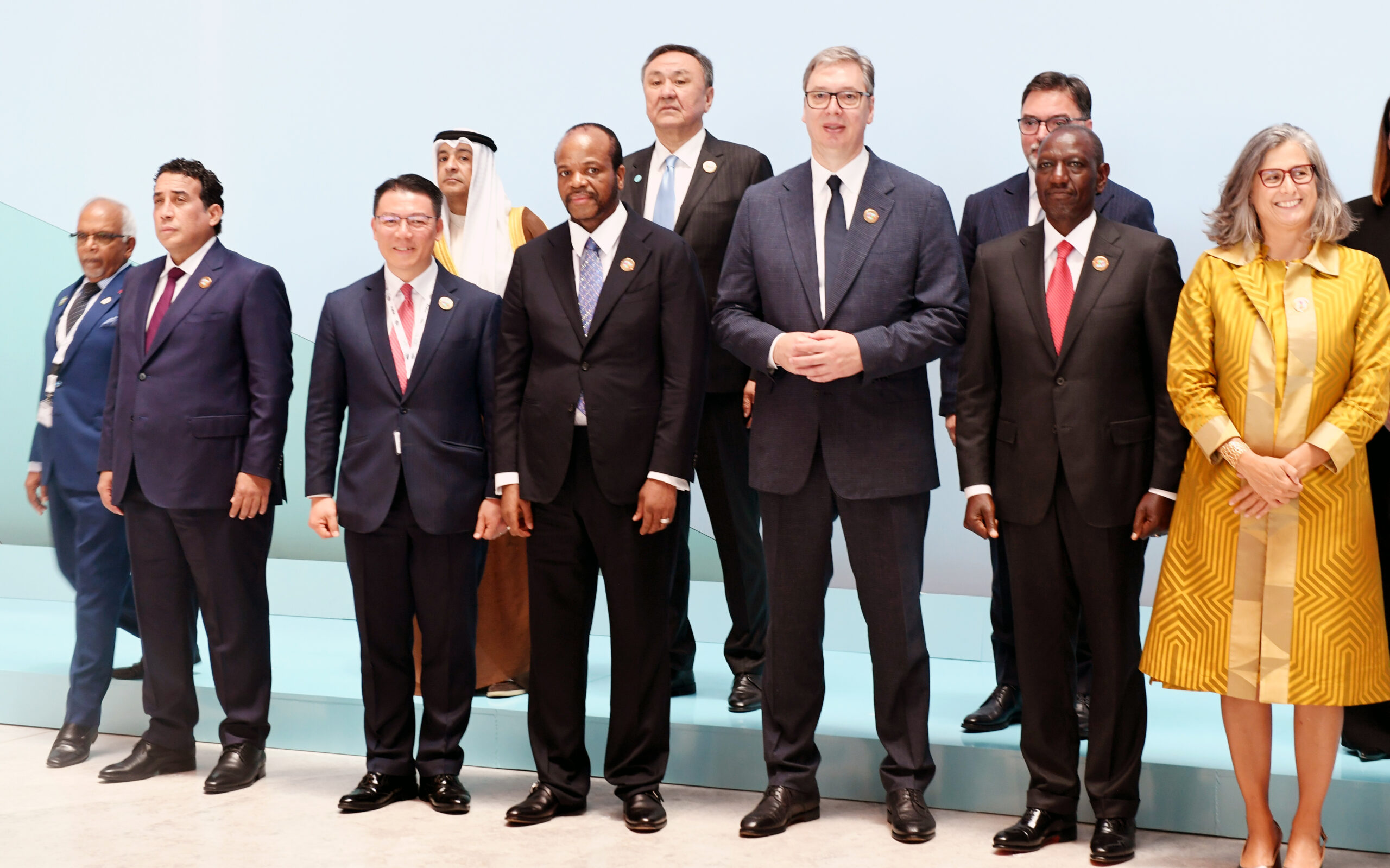
BAKU, AZERBAIJAN – Eswatini used the global stage of the World Urban Forum in Baku to set share her people‑centred approach to housing and urban resilience.
His Majesty told with leaders that this drive is anchored in national strategies and traditional governance systems that aim to ensure no women, youth, the elderly, persons with disabilities, or marginalised groups, are left behind.
“In the Kingdom of Eswatini, we place people at the centre of all development,” His Majesty King Mswati III told delegates. “We pursue sustainable urban growth that goes hand in hand with environmental stewardship, economic inclusion and social cohesion.”
He outlined a national agenda that links housing, infrastructure and resilience.


“Our national priorities focus on affordable housing, quality infrastructure, integrated spatial planning and environmental sustainability for both urban and rural communities,” he said.
Central to this agenda is Strategy 2030, launched in 2025, which the King described as a comprehensive framework aligned with the New Urban Agenda and the Sustainable Development Goals(SDGs).
“This strategy is expanding access to home ownership and significantly improving living conditions for all Emaswati,” he said.
On the ground, this translates into a combination of state‑led and partnership‑driven initiatives. “Our municipalities and housing institutions continue to deliver housing schemes for different segments of society, while partnerships with the private sector and development partners provide decent homes for vulnerable groups,” His Majesty explained. “These efforts reflect our commitment to inclusive and compassionate development.”
The King said this modern policy framework in Eswatini’s Tinkhundla system of governance, which he presented as a critical tool for making housing and urban policy responsive to real community needs.
“Guiding our efforts is the Tinkhundla system of governance, which is our people‑centred approach that promotes grassroots consultation, broad participation and shared responsibility,” he said.


“This system ensures development priorities emerge from the communities themselves and that no women, youth, the elderly, persons with disabilities, or marginalised groups, are left behind.”
On the international front, His Majesty positioned Eswatini as an active partner in shaping Africa’s and the world’s urban future, recognising that no nation can address urbanisation, climate change and housing insecurity alone.
Eswatini, he noted, welcomes the outcomes of the Africa Urban Forum, particularly the declarations from Addis Ababa in 2024 and Nairobi in 2026, and reaffirms the country’s full support for UN‑Habitat and its leadership in implementing the New Urban Agenda, in partnership with the African Union and UNECA.
Linking domestic efforts to global imperatives, the King stressed that investment choices must reinforce both housing and resilience.
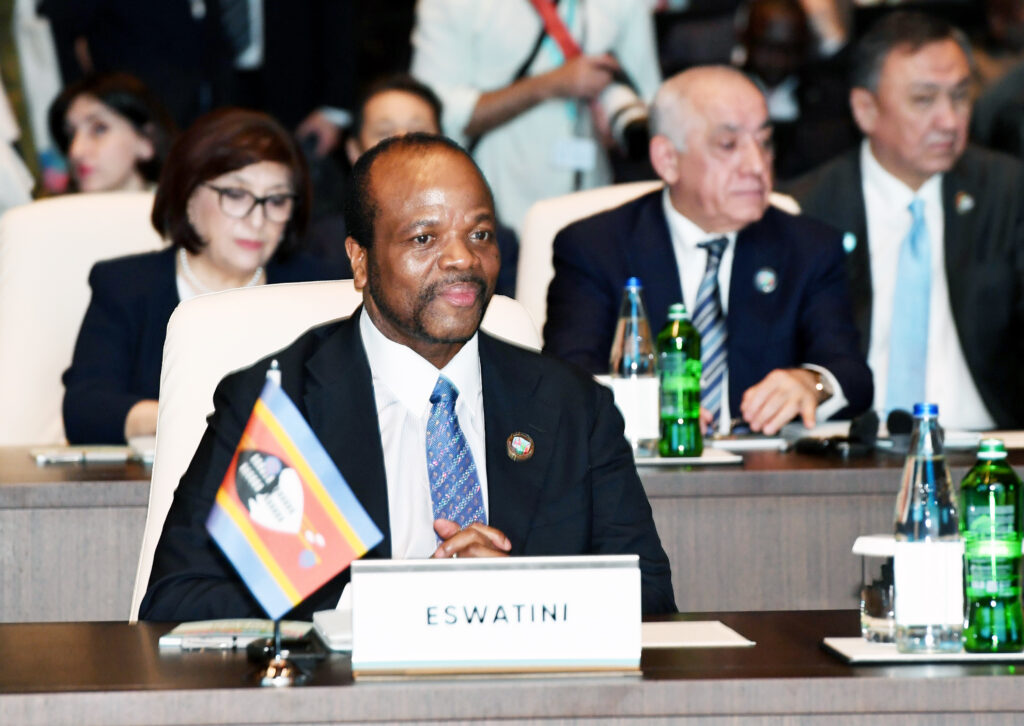
“We must invest in renewable energy, green infrastructure, climate‑resilient settlements, smart technologies and sustainable construction methods, while ensuring we always keep people at the centre,” he said.
At the same time, he called for a balance between renewable energy and traditional sources of electricity to ensure sustainable development for our economies.
His Majesty closed by tying Eswatini’s national reforms and partnerships back to the broader theme of the WUF13.
“This theme addresses one of the defining responsibilities of our time, ensuring that development uplifts human dignity and improves the quality of life for all people,” he said, urging delegates to match words with action.
“Let us commit to practical solutions and renewed determination to build inclusive, resilient, safe and sustainable cities and communities for all. Let us act not only for our generation, but for those who will inherit the decisions we make today.”




Discussion about this post