



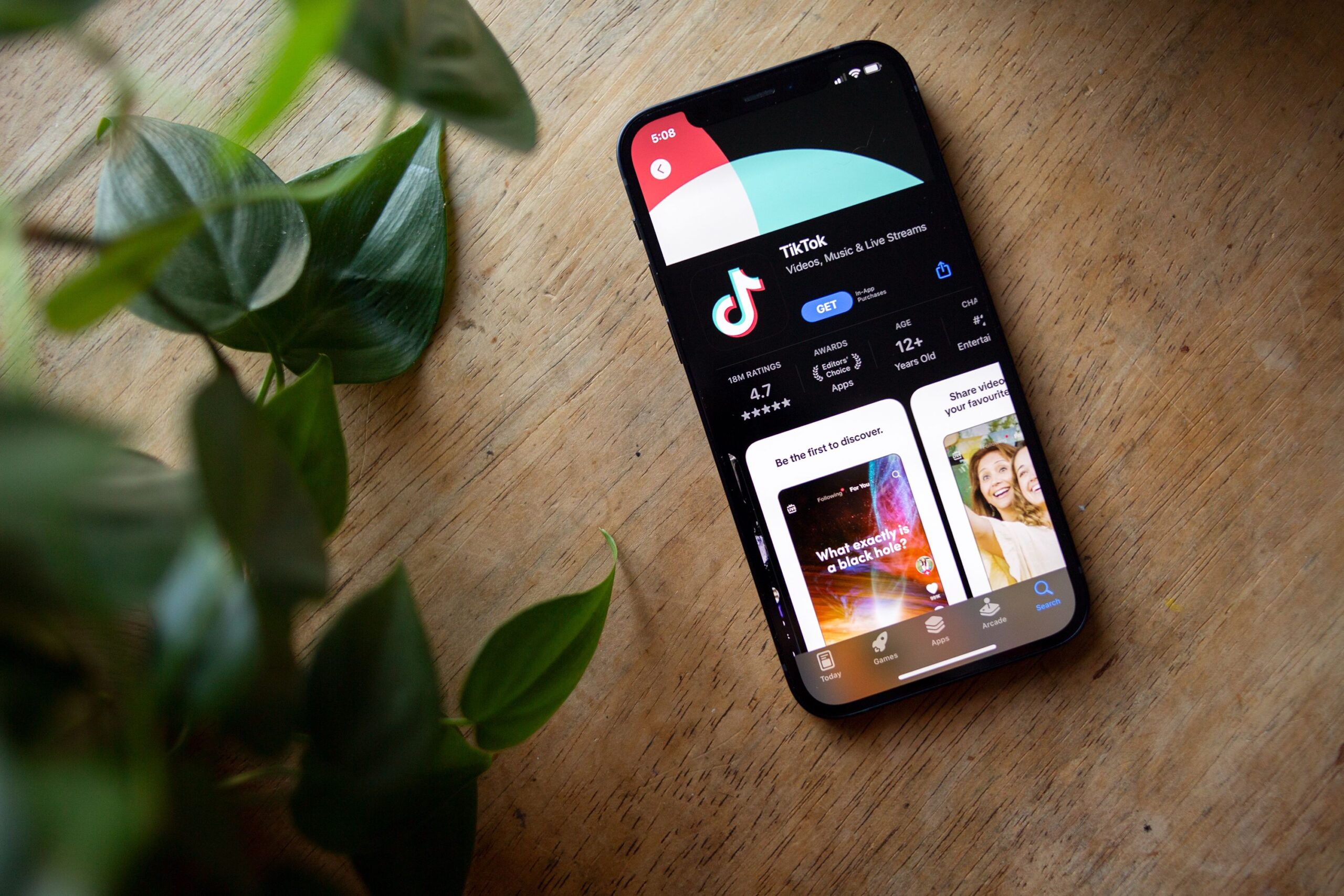
TikTok is reportedly set to change how it pays music rights holders, moving toward a per-play royalty model that could reshape earnings on the platform.
Currently, rights holders are typically paid only for the first use of a track in a video, regardless of how many times that video is viewed. This differs from streaming platforms such as Spotify and Amazon Music, where royalties are generally calculated per stream. Distribution services like DistroKid and CD Baby have noted that a video with millions of views currently triggers only a single payment for the initial use, with additional payments made only when new videos are created using the same track through challenges, duets, or stitches.
According to sources cited by Digital Music News, TikTok intends to factor in multiple plays of the same video. Under the proposed model, royalties would reflect total video views, meaning a viral clip with one billion views could generate payments for all plays rather than a single usage event.
Sources familiar with the matter indicated the shift could take effect during the summer of 2026, possibly in late July. One intellectual property owner described the current system as “a total mess with lots of people complaining”, adding that the revision represents “an attempt to push things into a new sphere”.


It is not yet clear whether the change will apply globally or only in select markets. The revisions are also not expected to affect rights holders who have negotiated separate licensing agreements with TikTok. Major record companies including Universal Music Group, Warner Music Group, and Sony Music Entertainment have secured revised compensation arrangements in recent years.


Earlier disputes over royalty rates led Universal Music to temporarily remove its catalogue from TikTok before reaching a new agreement. Other companies, including UnitedMasters, renegotiated terms, while independent label collective Merlin reportedly faced tougher negotiations. Music publishers under existing agreements have also received substantial upfront, recoupable advances, which could limit the immediate impact of a shift from per-creation to per-play payments for some stakeholders.
It is also unclear whether the reported changes are linked to TikTok’s USDS joint venture in the United States or if that entity influenced the proposed revisions.




Discussion about this post