




Johannesburg – The Competition Commission of South Africa has ordered Google to pay R688 million to local media houses following the release of the final report of its Media and Digital Platforms Market Inquiry on Thursday 13 November 2025.
The report followed two years of evidence gathering which included public hearings, expert submissions, stakeholder consultations, consumer surveys, focus groups and several rounds of information requests. The inquiry focused on whether digital platforms that distribute news content restrict competition or weaken the objectives of the Competition Act, affecting the long term survival of South Africa’s media sector.
The commission found that major global platforms, including Google, Meta, Microsoft, TikTok, X and AI developers such as OpenAI, have become dominant gateways for South Africans seeking information. Google maintains the strongest position in online search where news forms part of the queries that generate engagement used for advertising revenue. Despite this, local media houses receive no financial compensation for news content displayed or summarised on these platforms.
The report shows that referral traffic to local media has dropped, partly due to users relying on AI generated summaries or remaining on Google owned services. The commission also noted that Google’s algorithms tend to favour large international news outlets over South African publishers, limiting visibility for local and vernacular content. Microsoft was found to follow a similar pattern through its MSN portal which contracts very few South African publishers.

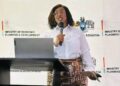
Social media platforms were also flagged as key drivers of news distribution, especially among community based audiences. Inquiry chair James Hodge said platforms such as Meta’s Facebook and Instagram, as well as YouTube, TikTok and X, gain substantial value through news content but very few South African outlets qualify for monetisation. He noted that Meta and X had reduced the visibility of posts containing news links which sharply cut traffic to local media sites.
The commission also reported that AI companies have used South African news content to train large language models without compensation. While websites may now opt out of scraping, smaller newsrooms lack the technical capacity to enforce these protections. The inquiry found that while fragmented local media houses are individually too small to attract licensing deals, their collective value is significant.
In advertising technology, Google was found to dominate the entire AdTech supply chain. Its bundled systems were said to increase costs for local media and reinforce dependence on Google’s exchange. The report suggests that South Africa should align with global regulatory efforts to address these distortions.
After negotiations with global platforms, the commission finalised a package of remedies intended to support media sustainability. Google and YouTube agreed to fund a R688 million support package for national, vernacular and community media. The package includes content licensing agreements, capacity building initiatives, newsroom innovation support and contributions to the Digital News Transformation Fund. Funds will also assist vernacular language development through the Media Development and Diversity Agency.
Google will introduce tools that prioritise local news, offer technical support to improve website performance, share improved audience data and establish an African News Innovation Forum. Microsoft will expand its MSN contracts to include five additional national publishers.
Meta will set up a Media Liaison Office in South Africa and expand monetisation access through workshops and ad credits. YouTube will open its Partner Programme to all local media and support the SABC through direct ad sales and archive digitisation. TikTok will introduce its Publisher Support Suite locally, while X Corp will open all its monetisation programmes to South African publishers and provide training sessions.


All platforms will implement digital literacy programmes aimed at countering misinformation.
The inquiry recommended that the trade and industry ministry issue a block exemption allowing South African media to bargain collectively on platform monetisation, AI content licensing, AdTech pricing and joint ad sales. It further recommended that the communication and digital technology ministry strengthen content moderation regulations and establish a social media ombud.




Discussion about this post