




JOHANNESBURG – South Africa’s insurance industry will soon be tested for its ability to withstand climate-related financial shocks, according to the South African Reserve Bank (SARB). Deputy Governor Fundi Tshazibana confirmed the move on Friday during a climate finance event held in Stellenbosch.
The SARB has already begun testing banks through a climate-risk scenario stress assessment introduced earlier this year. The exercise required lenders to simulate how their finances would respond under extreme climate conditions. The same process is now being extended to the insurance sector.
The results of the upcoming test will be released alongside the bank’s Financial Stability Review on June 19.
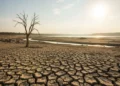
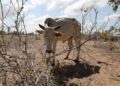
Tshazibana pointed out that climate change poses complex threats to the financial system, from direct damages to insured properties to broader economic impacts. Wild weather swings—such as the severe droughts and floods that have battered South Africa in recent years—are not only pushing up claims but also disrupting sectors like agriculture and tourism.
Wildfires flared up on Table Mountain in February, only weeks after parts of the country experienced intense rainfall. These kinds of compound weather events are becoming more frequent, with far-reaching consequences.
In 2022 alone, floods cost South Africa an estimated R54 billion. Meanwhile, recurring droughts have pushed food prices up by as much as 10 percentage points, driving general inflation up by three points.


Tshazibana said that in some cases, as much as 60% of a bank’s loan portfolio could be exposed to clients vulnerable to climate risks, raising serious concerns about financial stability.


Discussion about this post