



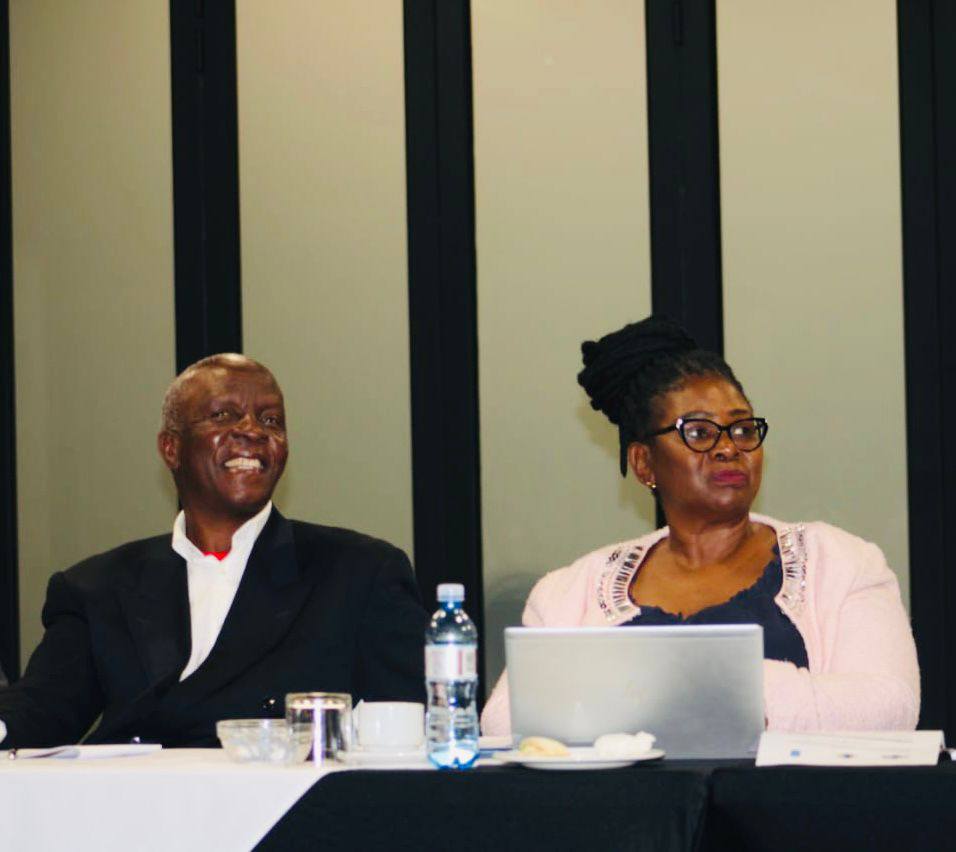
EZULWINI – A new law that could change the face of public leadership in Eswatini was at the centre of discussions this week as Members of Parliament gathered for a workshop hosted by the Ministry of Justice and Constitutional Affairs.
Held at Happy Valley Hotel, the session focused on the Leadership Code of Conduct Bill, 2025—draft legislation that aims to promote integrity, transparency, and accountability in public office.
Chaired by Lobamba MP Michael Masilela, the meeting was not just another policy discussion. Masilela urged his colleagues to treat the moment with the seriousness it deserved. “This is more than a workshop. It’s a chance to redefine what public service means in Eswatini,” he said.
Justice and Constitutional Affairs Minister Prince Simelane opened the session with a firm message: it’s time to raise the bar for those in positions of power. “We cannot afford to let corruption continue unchecked. Leaders must act with integrity, or face the consequences,” he told the room.


The Bill proposes several strict measures. Public officials will be required to declare their assets and liabilities, report any gift valued over E5,000, and respond to inquiries from the Integrity Commission within 30 days. Failure to do so could result in fines up to E10,000 or even prison time.
Legal experts present compared the Bill’s power to the existing POCA (Prevention of Organised Crime Act) but said this one goes further—demanding clear records and explanations for all gifts and dealings involving public resources.
Chief Dambuza Lukhele from the Human Rights Commission said the Bill isn’t just about rules on paper. “This is about rebuilding trust. People want to know that their leaders are not using their positions for personal gain,” he said.
One of the more passionate voices in the room came from Mayiwane MP Sicelo ‘KhungaNkhosi’ Dlamini, who called for taking the conversation beyond Parliament. “This must not be a law that lives only in documents and debates. Take it to the people—elders, youth, every community member must understand what it means,” he urged.
The Bill also proposes a more inclusive Integrity Commission, suggesting that appointments include persons with disabilities, respected judges, and those with knowledge of both traditional values and constitutional law.


Sanctions under the law are tough. Officials who misuse public property or abuse their office could face fines as high as £25,000 or prison terms of up to 10 years. But for many lawmakers, the true value lies in what the Bill symbolises: a turning point for governance in Eswatini.
Prince Simelane closed his remarks with a challenge: “The public is paying attention. They’re no longer interested in leaders who preach ethics—they want those who live by it.”


Discussion about this post