



Ezulwini- Eswatini could be heading towards the construction of a 50 000-seater world-class stadium, with His Majesty King Mswati III revealing that preparations for the ambitious project are at an advanced stage and that several investors have expressed interest in taking it forward.
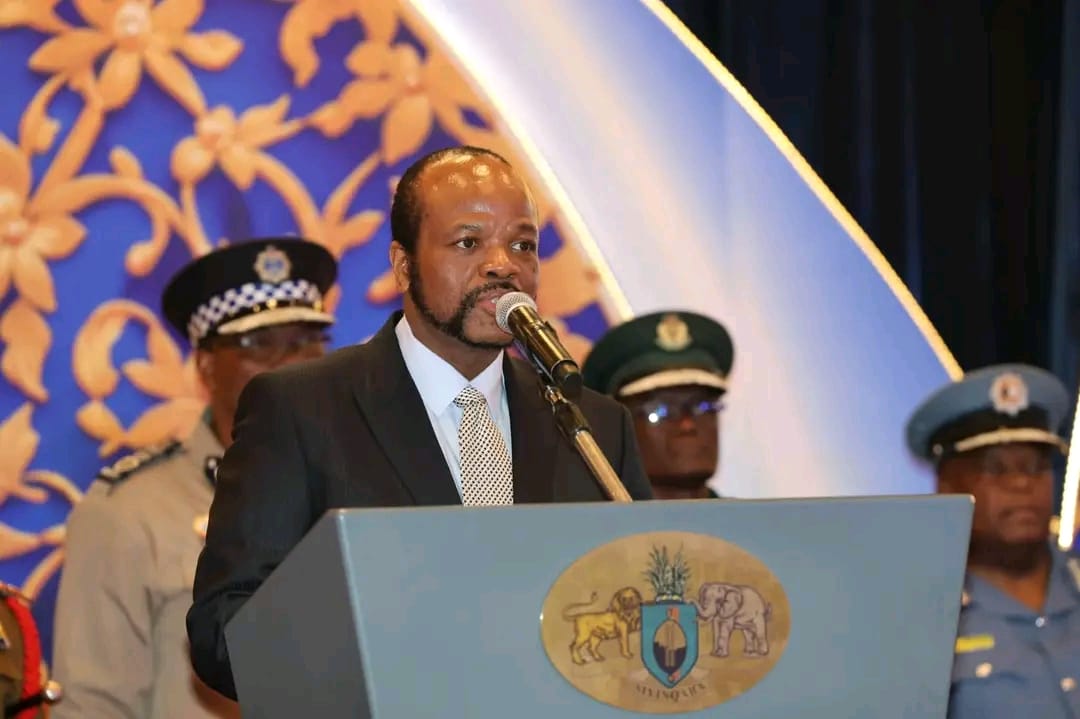
The King announced the vision during the 2026 Ingwenyama Cup and Cultural Prize Presentation at the Ezulwini Palazzo and International Convention Centre (ICC) on Wednesday, October 28, 2026, saying the country must think big and develop sporting infrastructure that meets international standards.
“I have told the technicians that, as a starting point, Eswatini must deliver a 50 000-seater stadium. We must think big and build a world-class facility,” His Majesty said.
The proposed capacity marks an increase from the previously announced vision for a modern 40,000-seater national stadium, which the King called for during the Ingwenyama Cup final at Somhlolo National Stadium. At the time, the need for a larger facility was highlighted by the massive turnout, which demonstrated the demand for sporting venues capable of accommodating large crowds.

The latest announcement points to a more ambitious target, with the King emphasising that Eswatini must plan for the future instead of limiting its sporting aspirations.
Drawing comparisons with major international football competitions, including the Africa Cup of Nations (AFCON), His Majesty noted that some stadiums accommodate close to 100,000 spectators, making it necessary for Eswatini to develop facilities that can support its ambitions on a larger stage.
“I am encouraged that preparations for this important project are at an advanced stage,” the King said.


A significant development in the proposed project is the interest expressed by private-sector investors, alongside a proposal to use the Build, Own and Transfer (BOT) model.
Under this arrangement, a private investor would typically finance and construct the facility, operate it for an agreed period and eventually transfer it to the public sector under agreed terms.
The model could provide an alternative means of financing a major infrastructure project, although the details of the proposed arrangement, including the investment value, construction timeline, site and terms of any agreement, were not disclosed in the King’s address.
The expression of interest from investors introduces the prospect of private-sector participation in delivering a facility that would require substantial investment, careful planning and long-term operational arrangements.
His Majesty stressed the importance of building confidence, working together and planning responsibly to ensure that the stadium serves emaSwati for generations.
The stadium vision comes as Eswatini seeks to strengthen its position in regional and international football. A modern venue with a 50 000-spectator capacity could provide greater scope for hosting major matches and sporting events, subject to meeting the relevant competition requirements.
Beyond football, such a facility could create opportunities for tourism, hospitality, entertainment and other businesses linked to major events. However, the extent of these benefits would depend on the project’s design, financing, accessibility, maintenance costs and ability to attract events throughout the year.
The King also shared his aspiration to see Eswatini’s national football team reach the highest levels of the game, including competing successfully at AFCON and the FIFA World Cup.
His vision reflects an ambition to match sporting dreams with the infrastructure and preparation needed to pursue them.
The proposed stadium would therefore represent more than an increase in seating capacity. It would be an investment in the country’s sporting future, with the potential to provide a platform for local talent and expose emaSwati to larger international competitions.
The project’s progress, however, will depend on the next steps in planning, securing investment and establishing how the stadium will be financed, built and managed.
For now, the King’s announcement places a 50,000-seater world-class stadium firmly on Eswatini’s sporting agenda, with preparations reportedly advanced and investors showing interest in bringing the vision to life.

Discussion about this post