



Malkerns– Indigenous vegetable seeds could remain available to future generations for up to a century under a government-backed conservation initiative housed at the Gene Bank in Malkerns, a facility valued at E5 million.
The facility is designed to preserve Eswatini’s indigenous vegetable varieties, protecting an important part of the country’s agricultural heritage while keeping local seed resources available for future use.
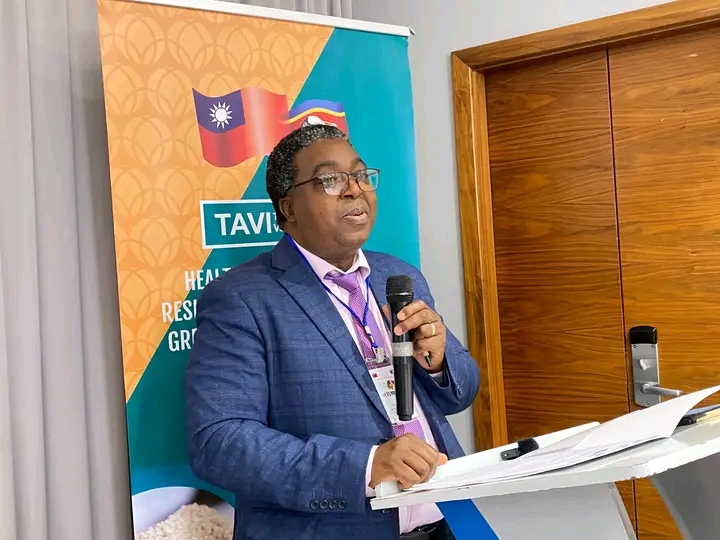
Ministry of Agriculture Principal Secretary Sydney Simelane highlighted the initiative during a tour of the Gene Bank and Aquaculture Research Centre, organised as part of activities surrounding the 2nd African Vegetable Forum.
“The seeds are stored under conditions intended to prolong their viability, allowing future generations to access varieties that might otherwise become less available over time,” Simelane said.

He described the facility as an investment in posterity, adding that some of the preserved indigenous vegetables had been showcased to African Union delegates attending the forum.
The E5 million valuation of the Gene Bank structure was confirmed by Thembinkosi Gumedze, Chief Research Officer in Agricultural Research and Special Services in the Ministry of Agriculture, whose department is responsible for the facility.
“The Gene Bank also supports efforts to promote the production of indigenous seeds,” Gumedze said, linking conservation with the continued use of local plant varieties in agriculture.
The project received financial support from the Government of China (Taiwan) through the Taiwan Africa Vegetable Initiative (TAVI), a programme introduced by the World Vegetable Centre.
Simelane acknowledged the contribution, saying, “The assistance has enabled the country to advance its infrastructure for conserving indigenous vegetable seeds.”
Beyond seed preservation, the tour also highlighted government’s interest in expanding agricultural research to address food and nutrition security.
At the Aquaculture Research Centre in Malkerns, Simelane pointed to fish as “a more affordable source of protein for emaSwati”, highlighting the potential role of aquaculture in improving access to nutritious food.
The two facilities formed part of the activities linked to the 2nd African Vegetable Forum, which brought together stakeholders to discuss vegetables, nutrition and agricultural development.


While the Gene Bank focuses on safeguarding indigenous plant varieties, the aquaculture facility supports research into fish production. Together, they reflect efforts to preserve agricultural resources and explore ways of strengthening food availability in the country.


Discussion about this post