



Mbabane – Gaps in fisheries regulation, limited research capacity and weaknesses in information management have emerged as key challenges Eswatini must address to unlock the economic potential of its aquatic resources and develop a sustainable blue economy.
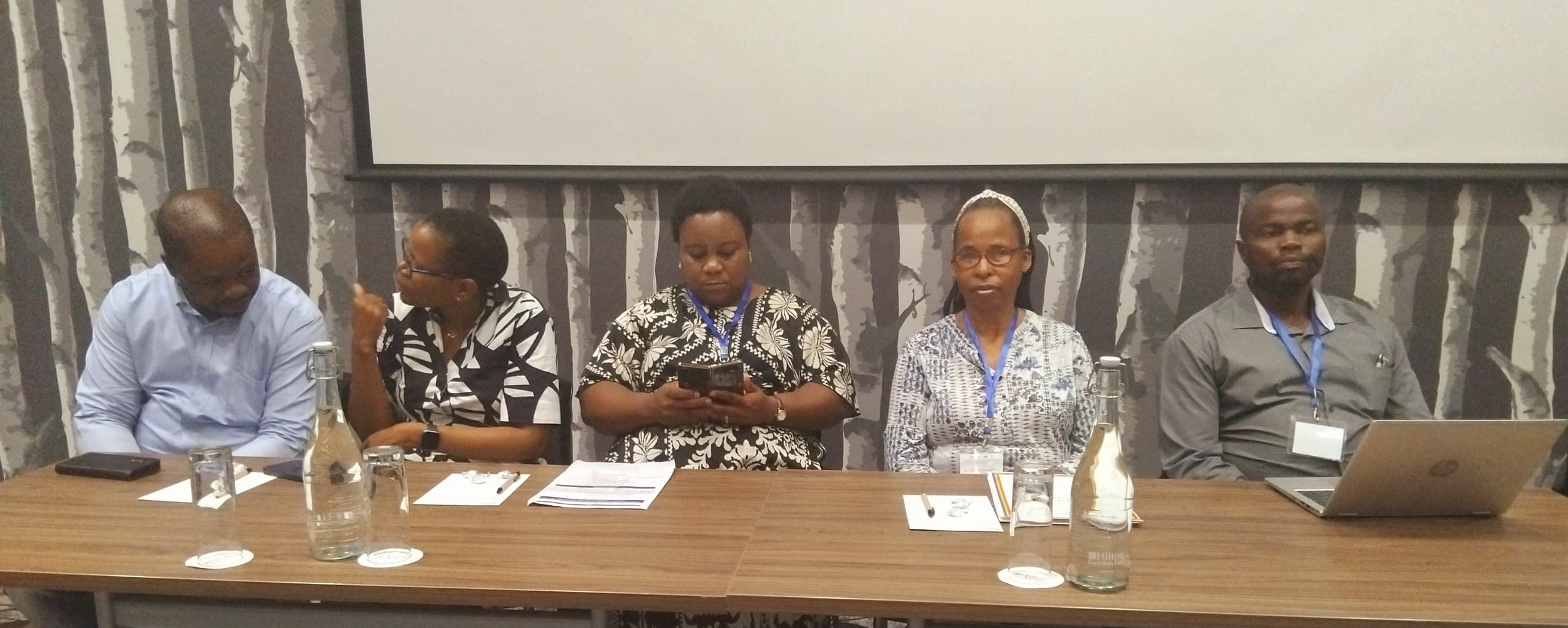
The challenges were highlighted during a three-day consultative workshop on fisheries, aquaculture, conservation and sustainable ecosystem management held in Mbabane, where stakeholders examined the interventions required to strengthen the sector under the National Blue Economy Strategy.
Representing the participants, Dr Thabisile Sigwane highlighted the need to strengthen the capacity of the Fisheries Section, improve regulatory enforcement and coordination among institutions, and invest in research, technology and innovation.
She also emphasised the importance of establishing a reliable fisheries and aquaculture information management system to support evidence-based decision-making, effective planning and sustainable resource management.


The issues identified during the workshop raise questions about the country’s readiness to expand fisheries and aquaculture production sustainably while ensuring that aquatic resources are adequately protected.
Without effective regulation, reliable scientific data and sufficient institutional capacity, efforts to increase fish production could face significant challenges, particularly as Eswatini seeks to develop commercially viable aquaculture enterprises and improve the contribution of aquatic resources to the economy.
Sigwane said the workshop had provided an opportunity to examine the challenges and opportunities facing the sector, review the proposed master plan and identify priority interventions for implementing the National Fisheries, Aquaculture and Aquatic Ecosystem Action Plan.
She further acknowledged the importance of strengthening regulatory enforcement and inter-institutional coordination to enable the Fisheries Section to discharge its mandate effectively.
Research was another area highlighted during the discussions, particularly the need to improve fisheries surveys, fish stock assessments, fish health surveillance and aquaculture research.
These interventions are important for determining the condition of fish stocks, monitoring aquatic ecosystems and guiding decisions on sustainable production.
A reliable fisheries and aquaculture information management system would also help authorities make informed decisions, plan interventions and monitor the performance of the sector.
The challenges come as Eswatini seeks to expand aquaculture beyond subsistence activities towards commercial enterprises capable of creating employment, improving food and nutrition security and stimulating economic growth.
However, realising this potential will require sustained investment, stronger institutional capacity and effective implementation of the proposed interventions.
Implementation remains the biggest test
African Union Inter-African Bureau for Animal Resources (AU-IBAR) Director and Head of Mission Dr Huyam Salih stressed that the success of the workshop would ultimately depend on translating the discussions into tangible results.
She commended the Kingdom of Eswatini for its hospitality and thanked the Kingdom of Norway for funding the consultative process.
Salih said the deliberations had helped align national and local practices with regional frameworks, identify pathways for scaling up sustainable aquaculture and improve the governance of freshwater fisheries.
She also highlighted the need to prevent overfishing and protect aquatic ecosystems against degradation, pollution and climate-related vulnerabilities.


According to Salih, the workshop had reinforced the importance of developing a sustainable, resilient and inclusive blue economy, supported by appropriate governance mechanisms and practical interventions.
However, she cautioned that developing policy documents would not, on its own, deliver the desired transformation.
“The true measure of our success will not be the elegance of the master plan we have charted, but the tangible changes we bring to the communities relying on these aquatic ecosystems,” Salih said.
She urged participants to maintain the momentum generated during the three days and work collectively towards building a vibrant and prosperous blue economy.
Salih also said the country’s aspirations were aligned with continental frameworks, including the Policy Framework and Reform Strategy for Fisheries and Aquaculture in Africa, the Africa Fisheries Reform Mechanism and the Africa Blue Economy Strategy under the African Union’s Agenda 2063.
She emphasised the importance of ensuring that proposed interventions were structurally viable, logistically sound and financially sustainable.
The emphasis on implementation places responsibility on the relevant institutions and their partners to ensure that the recommendations lead to measurable improvements in fisheries management, aquaculture production and environmental conservation.
Government urged to turn plans into results
Acting Principal Secretary in the Ministry of Agriculture Nhlanhla Motsa said the workshop had concluded with a clearer vision, stronger partnerships and a foundation for developing a practical and actionable strategic plan.
He said the discussions had reaffirmed the potential of aquatic resources to contribute to food and nutrition security, employment creation, economic growth and environmental sustainability.
However, Motsa stressed that the recommendations and priorities identified during the workshop must now be translated into concrete programmes, investments, policies and partnerships that deliver meaningful results for the people of Eswatini.
He called on stakeholders to sustain the momentum generated during the consultations, unlock investment opportunities, strengthen value chains, empower young people and women, and protect aquatic ecosystems.
His remarks reinforced the need for government institutions, development partners, research organisations and the private sector to work together to implement the proposed interventions.
The effectiveness of this collaboration will be critical in addressing the institutional and technical challenges identified during the workshop.
Without clear implementation responsibilities, adequate financing and sustained coordination, the country’s blue economy ambitions could struggle to translate into tangible economic and environmental benefits.
Protecting resources while creating opportunities
The development of fisheries and aquaculture presents Eswatini with an opportunity to diversify economic activity, strengthen food security and create employment, particularly for young people and women.
However, these opportunities must be pursued alongside effective management of freshwater fisheries and the protection of aquatic ecosystems.
The need for better fish stock assessments, stronger regulatory enforcement and improved research capacity highlights the importance of ensuring that production increases do not compromise the sustainability of the country’s aquatic resources.
Stakeholders also recognised that research, innovation and reliable information would be essential to guide investment decisions and support the long-term development of the sector.
The consultative workshop was therefore intended to establish priorities and strengthen collaboration around the implementation of the National Fisheries, Aquaculture and Aquatic Ecosystem Action Plan.
As the process moves forward, the key challenge will be ensuring that the proposed measures receive the necessary institutional support, funding and technical expertise.
For Eswatini, the success of the National Blue Economy Strategy will ultimately depend on whether the plans developed translate into stronger fisheries management, commercially viable aquaculture, protected aquatic ecosystems and meaningful economic opportunities for its people.


Discussion about this post