



Ezulwini- Youth-owned businesses risk falling into financial distress when entrepreneurs lose access to land used for production, with the Youth Enterprise Revolving Fund (YERF) acknowledging gaps in its current system for securing land allocated to beneficiaries.
The concern emerged during YERF’s presentation of the Youth Enterprise Revolving Fund (Amendment) Regulations, 2026, to the Senate Finance Committee at the Central Bank Complex, Ezulwini, where young entrepreneurs outlined how land disputes and administrative barriers were affecting their ability to establish and sustain businesses.
The submissions raised questions about the risks facing publicly supported enterprises when beneficiaries lose access to essential business resources after securing financing, particularly in agriculture, where land is fundamental to production and income generation.
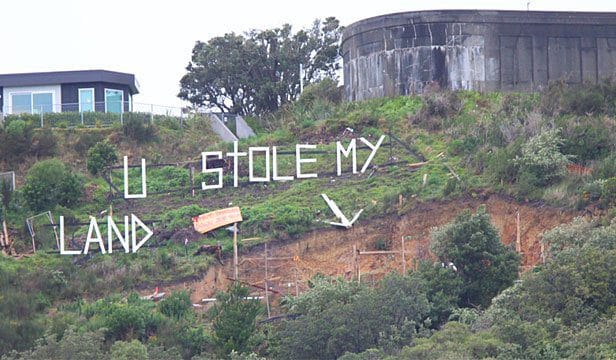
Njabulo Dlamini from Ntondozi told senators that land in his area had been taken away, leaving him struggling to repay his YERF loan. His experience illustrated the financial exposure entrepreneurs face when the resources underpinning their businesses become inaccessible.


Sicelo Mnisi, a vegetable farmer from Shewula, also told the committee that a family dispute had resulted in him losing access to land he had been using to grow crops. He said he was now without land for production.
For agricultural enterprises, losing productive land can interrupt output and the revenue needed to meet operating costs and service outstanding loans. The testimonies therefore raised concerns about the sustainability of youth-funded businesses when access to land is disrupted, although the extent of any resulting loan defaults was not disclosed during the presentation.
YERF Chief Executive Officer Mandla Nkambule acknowledged shortcomings in the existing arrangements, explaining that the fund currently uses a land rights form when processing applications. He proposed that YERF engage traditional authorities directly in communities to help secure land allocated to young entrepreneurs and prevent it from being taken away.
Such engagement could strengthen the protection of beneficiaries’ access to the resources on which their business plans depend. However, the committee’s discussions did not establish whether the proposed intervention would introduce enforceable protections or how disputes arising after loan approval would be resolved.
The debate also highlighted the difficulties young entrepreneurs face before they can begin operating. Dlamini proposed that government make land available across all four regions, particularly for young people interested in farming, arguing that access to land remained a barrier to exploiting business opportunities.


Meanwhile, the cost of obtaining an umphakatsi stamp emerged as another obstacle in the funding process. Nkambule told senators that hundreds of applications were stalled because some applicants could not afford the charges, which were reported to reach E3 000 in certain areas.
He said the fund wanted the fees standardized nationwide to make the application process more predictable and affordable. The committee heard that chiefs in the Shiselweni Region had agreed on a fee of E50, although some traditional authorities were reportedly charging more.
Beyond the application costs, the experiences presented to senators pointed to a broader challenge for youth enterprise financing: access to capital alone may not be sufficient to sustain businesses if beneficiaries cannot secure the land and other resources required to generate income.
The committee’s deliberations placed the responsibility for addressing these barriers on the wider support system surrounding young entrepreneurs, including government, YERF and traditional authorities. The proposed direct engagement between the fund and chiefs could help address land-related disputes, but the effectiveness of such an approach will depend on how land access is maintained after financing has been approved.


Discussion about this post