



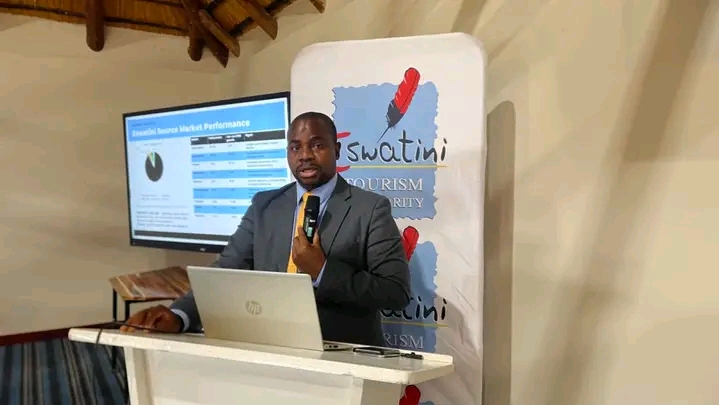
Mbabane– Eswatini’s growing tourism industry is failing to translate into maximum revenue for the country, with nearly seven out of every 10 accommodation establishments not complying with the payment of the mandatory bed levy.
This comes at a time when the country is recording growth in tourist arrivals, with Eswatini Tourism Authority (ETA) statistics showing that international arrivals increased by 10 per cent during the first quarter of 2026.
However, only 104 accommodation establishments were compliant with the bed levy between January and June this year, representing a compliance rate of just 32 per cent.
The low compliance rate means the country could be losing significant tourism revenue as accommodation establishments collect income from visitors without all operators contributing the required three per cent bed levy.


ETA Chief Executive Officer Vusie Dlamini revealed that accommodation establishments declared E4.162 million in bed levies during the first six months of the year, while actual collections stood at E4.066 million.


Despite the E4 million collected, Dlamini said the Authority remained concerned about the low number of establishments complying with the regulations. He said the Authority had identified late payments, unregistered accommodation establishments and gaps in existing legislation as some of the challenges affecting revenue collection.
“Out of the active hospitality pool, only 104 entities were recorded as compliant, though proactive enforcement and outreach added 13 new compliant entities during the period,” said Dlamini.
Under the Levies Payable by Accommodation Establishments Regulations of 2012 and the Finance Act of 2019, accommodation operators are required to pay a levy equivalent to three per cent of their accommodation income.
Operators are expected to submit their returns by the seventh day of the following month and make payments before the end of that month. The Authority is now moving to tighten enforcement as it seeks to bring more accommodation establishments into the levy net.
Among the measures being pursued are the expansion of the national accommodation database, financial audits to verify declarations made by operators and the enforcement of a five per cent penalty on late payments.
The ETA is also pursuing partnerships with strategic stakeholders through Memorandums of Understanding in an effort to improve compliance. The revenue collection challenge comes as Eswatini continues to attract increasing numbers of visitors, particularly from the Southern African Development Community (SADC) region.
SADC visitors account for about 90 per cent of Eswatini’s inbound tourism market, with the country recording 269 308 visitors during the first quarter of 2026.
Mozambique emerged as one of the fastest-growing source markets, recording 119 952 arrivals, representing a 29.2 per cent increase. Zambia also recorded strong growth of 32 per cent, although from a smaller base, with arrivals reaching 2 483.
South Africa remained Eswatini’s largest tourism source market with 316 166 arrivals, despite recording a 2.2 per cent decline.
While regional tourism continues to provide Eswatini with a growing pool of visitors, the low bed levy compliance rate raises questions about whether the country is fully capturing the financial benefits generated by the expanding tourism industry.


Discussion about this post