



Mbabane – Employees who report wrongdoing within government departments currently have limited protection if they face retaliation, a discussion on Eswatini’s proposed whistleblower protection legislation has heard.
The concern was raised during consultations on the proposed law when a participant from the Ministry of Justice was asked how an employee would be protected after reporting wrongdoing within their department.
The participant acknowledged that there is currently no dedicated system that would guarantee protection to an employee who faces threats or retaliation after making a report.
“Currently, we couldn’t say that we are protected,” the participant said, explaining that an affected employee would have to rely on other legal avenues to seek justice.


The employee could, for instance, report threats to the police, but this would not amount to a comprehensive whistleblower protection mechanism.
The response highlighted the gap the proposed legislation is intended to address, particularly for employees who may fear losing their jobs, facing harassment or threats, or suffering other forms of retaliation after exposing wrongdoing.
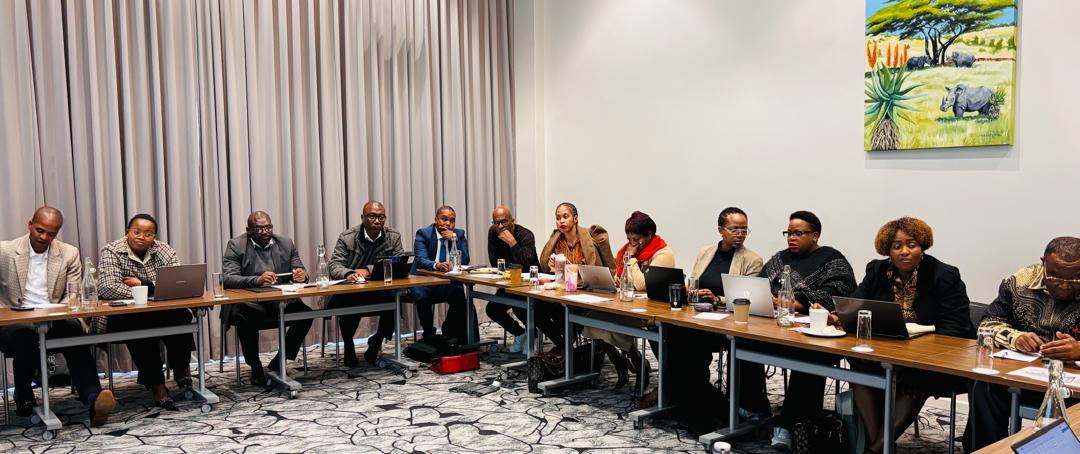
The discussion was part of consultations aimed at examining how whistleblowers should be protected and how the proposed framework would work in practice.
Experts involved in the consultations had earlier distinguished between professional protection for whistleblowers and physical protection for people whose safety is at risk.
Under the proposed approach, a person who fears retaliation at work because of a disclosure would fall within the whistleblower protection framework. Where the threat escalates to a risk to the person’s safety or life, the person could potentially access measures under the country’s witness protection framework.


The experts also stressed that whistleblowers should not automatically be treated as witnesses in criminal proceedings.
A whistleblower may provide the initial information that alerts authorities to wrongdoing, while investigators would then gather evidence and identify witnesses who can ultimately testify in court.
However, the same person could occupy both roles depending on the circumstances of the case.
The consultations also emphasized confidentiality as a basic protection for people who report suspected wrongdoing, regardless of whether the report ultimately qualifies as whistleblowing.
The discussions are expected to inform the development of legislation that would provide clearer protection to people who expose wrongdoing and face retaliation as a result.


Discussion about this post