



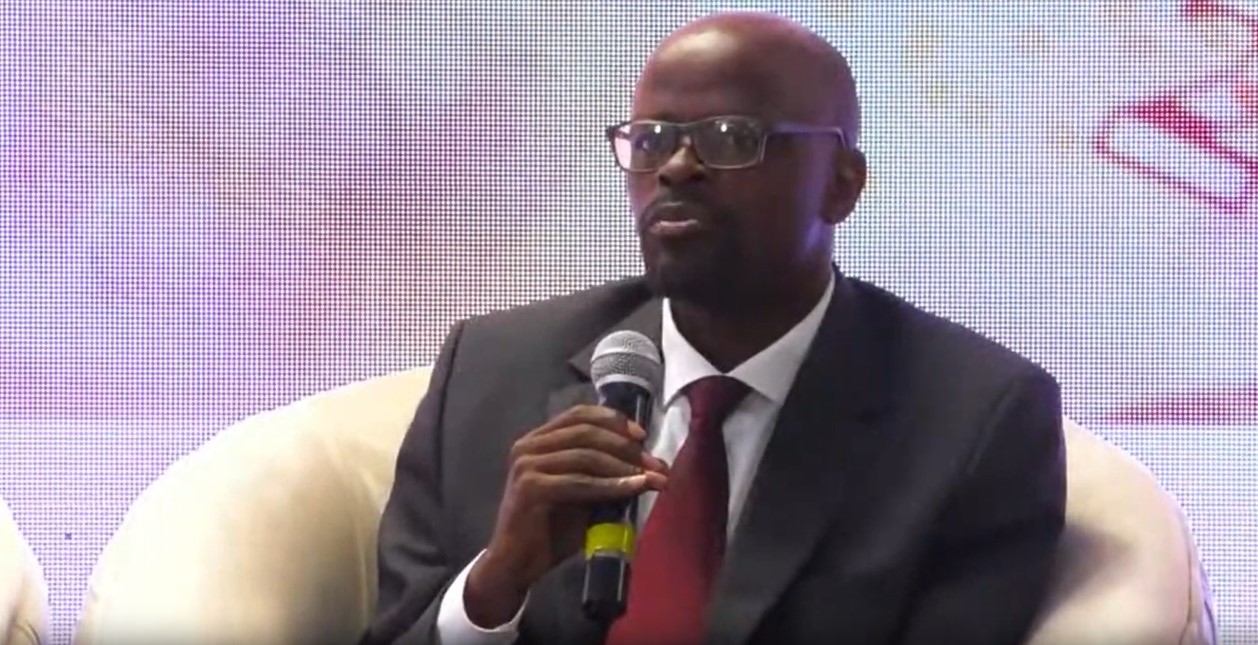
Mbabane- The increasing use of mobile money, electronic banking and digital currencies is changing how people understand money, according to independent economist Thembinkosi Dube.
In an interview with the Independent News Business Desk, Dube said the transition from physical cash to digital forms of money meant people were moving away from viewing money as something that had to be physically held.
He said the banknote itself should not be regarded as the actual value of money, but rather as a medium used to facilitate transactions.“The paper is just for transactional purposes,” Dube said.
He explained that the note people see and carry represents the amount of money they have, likening it to a receipt showing the actual amount held. Dube said the movement towards digital currency was therefore a change in the medium through which money is represented.


He compared the transition to the movement from physical receipts to electronic communication, saying society was moving from a physical medium to a digital one.The development is already evident in Eswatini, where mobile money, electronic banking and other digital payment services have become increasingly important in everyday transactions.
The Central Bank of Eswatini (CBE) has also been modernizing the country’s payment infrastructure through the Eswatini Payments Switch (EPS), which is intended to improve interoperability between banks and non-bank payment service providers and facilitate near real-time payments.
The Fast Payments Module of the EPS went live in December 2024, with five participating institutions operational by March 2025, according to the CBE’s 2024/25 Annual Integrated Report.


This means that money can increasingly move between individuals and businesses without physical notes changing hands. Dube’s comments come as the CBE continues to monitor developments in digital finance, including Central Bank Digital Currencies (CBDCs) and crypto-assets.
The Bank has previously explored the possibility of introducing a Digital Lilangeni, a digital version of the country’s currency. The CBE’s Digital Lilangeni Design Paper, published in August 2024, sets out the potential design of a retail CBDC that would complement physical notes and coins.
The CBE has not, however, announced the introduction of a Digital Lilangeni.Instead, its current work is focused on the payment system, while research into CBDCs continues. The Bank is also participating in Project Sunbird, a collaboration among Common Monetary Area central banks exploring possible cross-border applications of CBDCs.
Dube said the development of digital currencies also raised the issue of regulation.“If they are not regulated, this would be catastrophic to the country because there will be more money in circulation,” he said. The CBE has similarly continued to monitor crypto-assets, noting that interest in crypto-asset investments among Emaswati has been growing.
According to the Bank, much of this activity takes place through service providers based in neighbouring countries, while crypto-assets remain unregulated in Eswatini. For Dube, the development ultimately brings the discussion back to what people understand as money.
The physical note may be the form in which people have traditionally seen their money, but the value represented by that note can increasingly be accessed and transferred without the note itself being present.As more transactions move onto digital platforms, the question of how value is represented, transferred and regulated is likely to become an increasingly important issue for Eswatini’s financial sector.


Discussion about this post