




Mbabane- Businesses will be exposed to strategies aimed at reducing operating costs, improving efficiency and unlocking new markets at this year’s Eswatini International Trade Fair (EITF), with the United Nations Development Programme (UNDP) set to provide technical expertise to 10 business seminars.
The seminars will form part of the UNDP Sustainable Centre, established through a partnership between the UNDP and the Eswatini Investment Promotion Authority (EIPA) ahead of the 2026 EITF, which will run from August 28 to September 6 under the theme “Unlocking Green Opportunities for Sustainable Trade.”
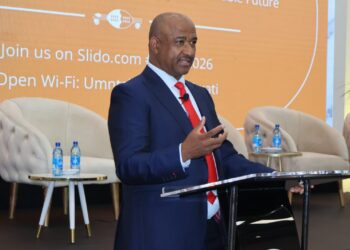
UNDP Resident Representative Henrik Franklin said the four- days programme would focus on practical solutions that businesses could use to become more resilient, productive and competitive as operating costs and market expectations continue to change.
Franklin said one of the flagship events would be the “Powering Profit: Rethinking the Cost of Doing Business in Eswatini” symposium, which will focus on energy as one of the significant operational costs affecting businesses.


The symposium is scheduled for September 2 from 9am to 1pm and will bring together business leaders, financiers, policymakers and entrepreneurs to discuss renewable energy, energy efficiency, smart technologies and financing options that could help businesses reduce costs.
“Rising operational costs continue to pressure enterprises, particularly micro, small and medium enterprises,” Franklin said.
He said the challenge also presented an opportunity for businesses to rethink how they operated.
“When businesses have access to the right information, the right technologies, and the right financing, they can transform costs into investments and investments into sustainable growth,” he said.
Through the Catalyzing Renewable Energy Access and Transition in Eswatini (CREATE) Programme, MSMEs are being supported to make informed and bankable investments in renewable energy and energy efficiency.
The programme is funded by the European Union and implemented by the Ministry of Natural Resources and Energy in collaboration with UNDP and Catalyse Eswatini.
Franklin said the Sustainable Centre would not be limited to discussions on energy, but would also expose businesses to emerging opportunities linked to the transition towards a greener economy.
The 10 seminars will cover areas including green opportunities for youth, the circular economy, green finance, and adapting women and persons with disabilities traders to participate in Eswatini’s green economy.
The sessions are intended to provide businesses and entrepreneurs with knowledge, networks and practical information to identify sustainable opportunities and convert them into viable commercial activities.
Franklin said the initiative was particularly important as businesses globally were increasingly being required to respond to new market expectations, climate realities and sustainability standards.
He said this presented both a challenge and an opportunity for Eswatini enterprises to innovate, improve their competitiveness and access new markets.
Meanwhile, EIPA Chief Executive Officer Sibani Mngomezulu said the partnership with UNDP strengthened the authority’s role in promoting investment, enterprise development and sustainable business growth.
Mngomezulu said the Sustainable Centre would connect local enterprises with global thinking, international best practices and practical sustainability solutions.
He said sustainability should no longer be viewed as separate from business growth, but as an area where enterprises could create value, attract investment and improve their competitiveness.
The EIPA CEO said the Sustainable Centre would add depth to the Trade Fair by ensuring that the event went beyond the showcasing of products and services.
According to Mngomezulu, the Trade Fair would provide exhibitors and visitors with an opportunity to learn, exchange ideas, establish partnerships and explore how sustainability could support competitiveness, market access and investment attraction.
The partnership is also expected to create opportunities for MSMEs, entrepreneurs, start-ups, women-owned businesses, youth-led enterprises, farmers, manufacturers, service providers and financial institutions to participate in the discussions.
Echoeing Mngomezulu’s sentiments, Franklin said UNDP believed Eswatini’s transition towards a greener economy needed to be inclusive, practical and business-driven.


He stressed that sustainable development was not only about environmental protection, but also about creating jobs, improving productivity, strengthening business resilience and ensuring that enterprises were equipped to compete in regional and global markets.
The UNDP Sustainable Centre will operate from August 31 to September 4, with the 10 seminars forming a key component of the programme.

Discussion about this post