



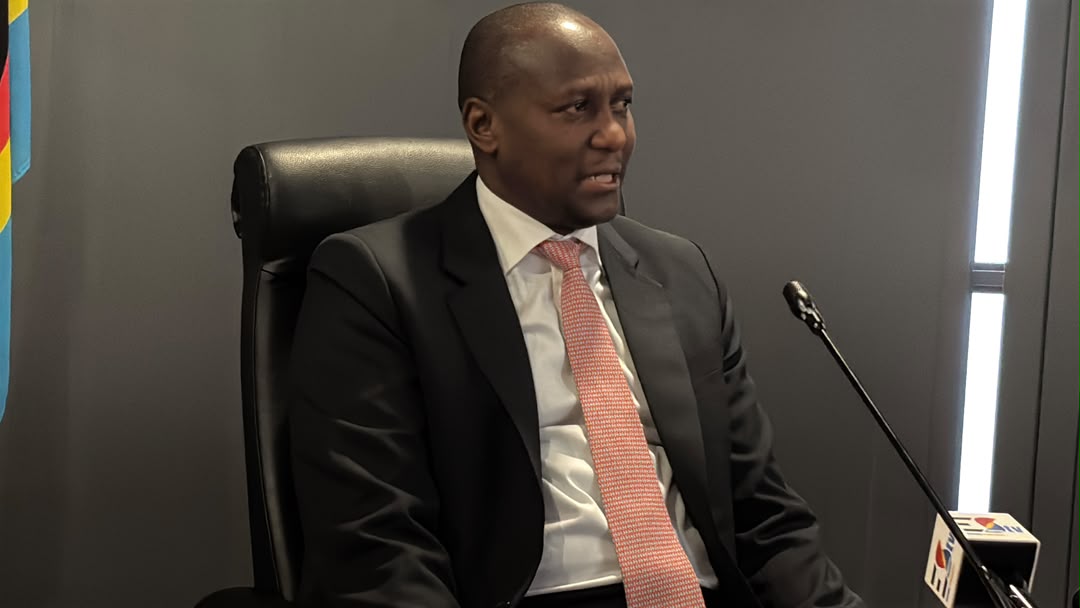
Lobamba- Prime Minister Russell Mmiso Dlamini has ordered an investigation into allegations that Matsebula Flats in Manzini has become a no-go area for the police, with claims that some foreign nationals living at the flats are allegedly protected by their relationships with police officers.
Responding to concerns raised by Senate President Princess Lindiwe Gwebu during the debate on the Prime Minister’s Office first-quarter performance report, Dlamini said the allegations could not simply be dismissed.
“There is no smoke without fire,” the Prime Minister said, as he committed to having the matter investigated.
Gwebu had raised serious concerns over what she described as circumstances at Matsebula Flats that could potentially compromise the police’s ability to fight crime.


She told the Senate that information reaching her office suggested that there was no police officer who was able to enter certain premises at the flats where foreign nationals reside.
Gwebu questioned how such a situation could exist in an area under the jurisdiction of the Royal Eswatini Police Service, particularly if the allegations suggested that officers were being prevented, directly or indirectly, from carrying out their duties.
Gwebu further alleged that some police officers had close social relationships with foreign nationals at the flats.
The legislator said the concerns were worrying because they risked tainting the otherwise good work being done by the police force.
On the same note, she also told the House that her office had received information about a foreign national who was allegedly scamming young emaSwati by promising them jobs overseas.
According to Gwebu, the individual was allegedly collecting money from young people, with the amount involved said to be about E75 000.
She said the matter was reportedly brought to the attention of the police, resulting in the accused being arrested before later being released.
The alleged incident added another layer to Gwebu’s concerns about the effectiveness of law enforcement when dealing with foreign nationals accused of wrongdoing.
She questioned whether the police were adequately addressing such cases and whether officers accused of compromising their duties were being held to account.
Gwebu’s concerns came against the backdrop of another revelation that the police had reportedly paid out E15 million in connection with unprofessional conduct and unlawful actions.
She wanted to know whether the officers responsible had faced disciplinary or criminal action, arguing that there had to be consequences where police officers themselves acted outside the law.


For Gwebu, the issue was not merely about individual officers but about protecting the reputation and credibility of the entire police force.
Meanwhile, Sen. Chief Price Ngangabani said government could not continue speaking about fighting corruption without taking meaningful action.
The Prince argued that emaSwati also needed to be educated about corruption, saying some people could find themselves participating in corrupt practices without even understanding that what they were doing constituted corruption.
He proposed greater public education and suggested that government could even consider holding a corruption summit to sensitise the nation.
Dlamini acknowledged that corruption existed across government ministries, but said the Ministry of Justice and Constitutional Affairs and the Prime Minister’s Office were working to strengthen the fight against it.
He said government was also working towards decentralizing the fight against corruption and stressed that corrupt activities could be traced because actions were recorded.


Discussion about this post