



Mbabane– The government of Eswatini through the ministry of Agriculture plans to decentralise soil testing services as part of efforts to lower production costs, improve farm productivity and accelerate the commercialisation of Eswatini’s agriculture sector.
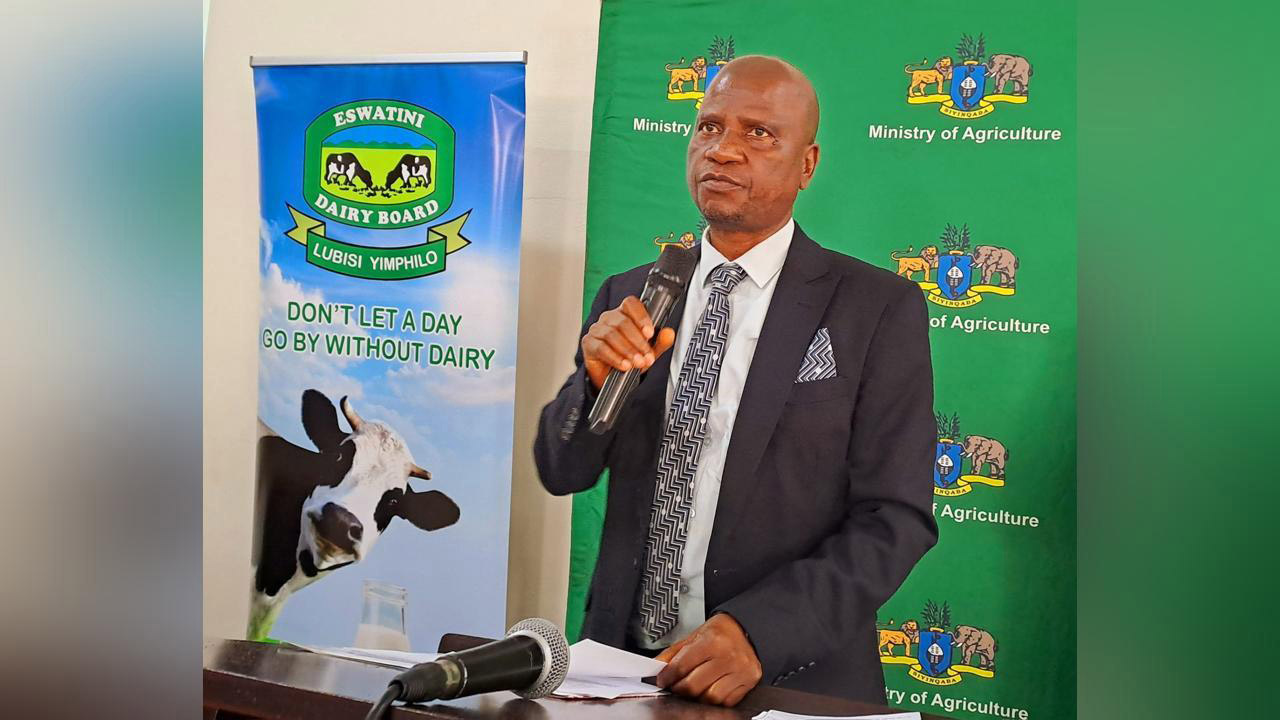
Agriculture Minister Mandla Tshawuka announced that the Ministry of Agriculture will re-establish satellite soil testing laboratories across the country after farmers raised concerns over the high costs of accessing the country’s only fully operational laboratory at the Malkerns Research Station.
The move is expected to reduce transport expenses for farmers, speed up soil analysis and enable producers to access recommendations in time for planting, helping them make informed decisions on fertiliser application and crop management.
Tshawuka said improving access to soil testing forms part of government’s broader strategy to enhance agricultural productivity and strengthen the competitiveness of the sector.


Currently, farmers seeking government farming input subsidies are required to conduct soil tests, but many incur significant travel costs because the service is only available at Malkerns.


The minister said bringing the service closer to farming communities would remove a key barrier to commercial agriculture by reducing operating costs and improving access to essential technical support.
He said the initiative would support farmers in increasing production while contributing to national food security and economic growth.
During the engagement, Tshawuka also urged farmers in the Hhohho Region to expand commercial dairy and beef production, describing the region as well positioned to become a major livestock production hub because of its favourable climate, extensive grazing land and established farming tradition.
He said increasing milk and beef output would help reduce Eswatini’s reliance on imports while creating opportunities for farmers to supply regional and international markets.
According to the minister, expanding livestock production and improving agricultural support services are critical to building stronger agricultural value chains, creating rural employment and increasing incomes for farmers as government pushes for a more commercially driven agricultural sector.


Discussion about this post