



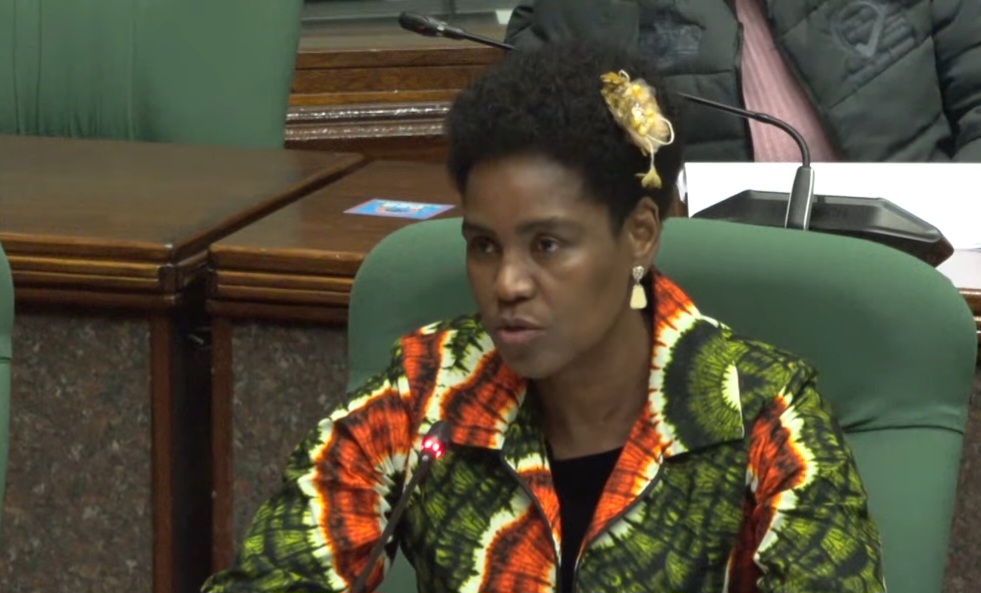
Lobamba – The Principal Secretary (PS) in the Ministry od Natural Resources and Energy Lindiwe Mbingo has acknowledged shortcomings in the ministry’s financial management after the Acting Auditor General (AG) Ashmond Ngwenya flagged unappropriated expenditure on Central Transport Administration (CTA) vehicle charges, prompting renewed scrutiny over accountability in the handling of public funds.
Appearing before the Public Accounts Committee (PAC)on Tuesday, the PS conceded that the Audiror General’s observations were valid and admitted that weaknesses in monitoring government vehicle expenses contributed to expenditure exceeding the approved allocation.
According to the Auditor General’s report, the ministry incurred E531 000 in unappropriated expenditure on CTA vehicle charges, representing 11 per cent above the amount appropriated for that budget item and exceeding the legal expenditure threshold.
Responding to questions from legislators, the PS said the ministry regretted the situation and was implementing measures to tighten financial controls.

“We admit the claims made by the Auditor General. We regret what happened and are trying to sort it out going forward,” the PS said.
Mbingo explained that the ministry has now established a register to monitor all vehicle-related transactions, including maintenance and fuel, in an effort to improve oversight.


She further attributed the overspending to delays in the way expenditure is captured by the Central Transport Administration. According to the explanation, ministries continue using fuel coupons as normal while CTA processes the transactions later, meaning the ministry’s internal financial reports initially show expenditure within budget.
“When we look at our monthly management reports, everything appears normal because the costs have not yet been captured. We only realise the over-expenditure once the vouchers are processed, and in some cases we only see it at the end of the financial year,” she explained.
The Auditor General, however, maintained that the expenditure constituted over-expenditure because it exceeded the approved appropriation. While acknowledging that the ministry may not have received its full budget release, the AG said the ministry should have communicated the shortfall to the Ministry of Finance instead of spending beyond the authorised allocation.
However, Ngwenya indicated that although E5.6 million had been appropriated for the ministry, only about E4.4 million had been released, while actual expenditure reached approximately E4.9 million.
The ministry argued that it did not receive the full allocation and therefore viewed the issue as a budget release challenge rather than deliberate overspending.Officials said they would in future seek the full release of funds earlier to avoid similar situations.
The Auditor General also advised the ministry to strengthen its financial management by making greater use of void books, which provide real-time monitoring of expenditure against approved budgets. An accounts officer has since been tasked with assisting officials to improve the maintenance of the vote books and ensure spending is tracked more effectively throughout the financial year.


Discussion about this post