



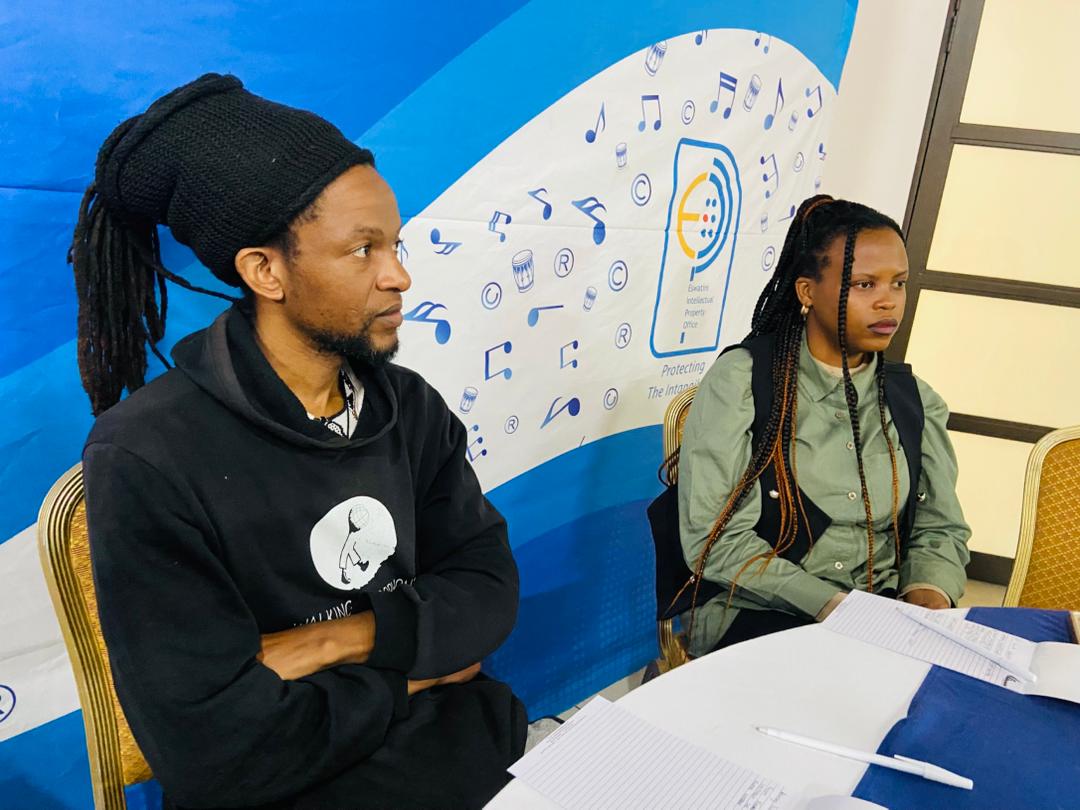
EZULWINI – The Eswatini Copyright and Neighbouring Rights Society (ESWACOS) yesterday hosted a workshop aimed at empowering independent record label owners, artists who own their master recordings, producers, artist managers and other recorded music rights holders with the knowledge and tools needed to compete in the regional and global music industry.
Held at SibaneSami Hotel in Ezulwini, the workshop, titled “Advancing Eswatini’s Recorded Music Industry: Rights Management and Market Access for Independent Labels and Master Owners,” focused on strengthening participants’ understanding of copyright, neighbouring rights, music identification systems, contracts and royalty management.
The workshop comes at a time when the IFPI Global Music Report 2025 shows continued growth in the global recorded music industry. According to the report, global recorded music revenues increased by 6.4 percent to reach US$31.7 billion, while Sub-Saharan Africa recorded an impressive 15.2 percent growth, generating US$120 million in recorded music revenues. These figures highlight the growing opportunities available for independent labels, master owners and music entrepreneurs across the continent.
Throughout the day, participants were taken through a series of educational sessions designed to improve their understanding of the recorded music business.


The first session focused on copyright and neighbouring rights in sound recordings, helping attendees understand the difference between musical works and sound recordings, ownership of creative works, performer and producer rights, and the importance of having written agreements before recording or releasing music.
Industry experts also unpacked the findings of the IFPI Global Music Report, discussing global and regional recorded music trends, South Africa’s influence as the region’s largest music market, and the opportunities available for smaller music industries such as Eswatini to expand into international markets.
Another session explored the importance of International Standard Recording Codes (ISRCs) and accurate metadata. Participants learned why every recording should have an ISRC, how music is identified across digital platforms, the differences between ISRCs and other music identification systems, and how incorrect metadata can result in lost royalty payments.
The workshop also provided practical guidance on master ownership, artist-label agreements, producer contracts, beat licences, featured artist agreements, revenue-sharing models, recoupment, advances and accounting obligations, equipping participants with knowledge to make informed business decisions.
The final session focused on ESWACOS registration and royalty distribution, where attendees were guided through the registration process for sound recordings and musical works. The session emphasised the importance of maintaining accurate documentation, ownership records, banking details and catalogue information to ensure efficient royalty collection and distribution.


A practical registration and catalogue documentation clinic concluded the workshop, giving participants an opportunity to begin or update their registrations on-site.
Bringing together key players in Eswatini’s recorded music industry, the workshop reinforced the importance of rights management, proper documentation and professional business practices as essential tools for unlocking opportunities in the rapidly growing global music market.


Discussion about this post