



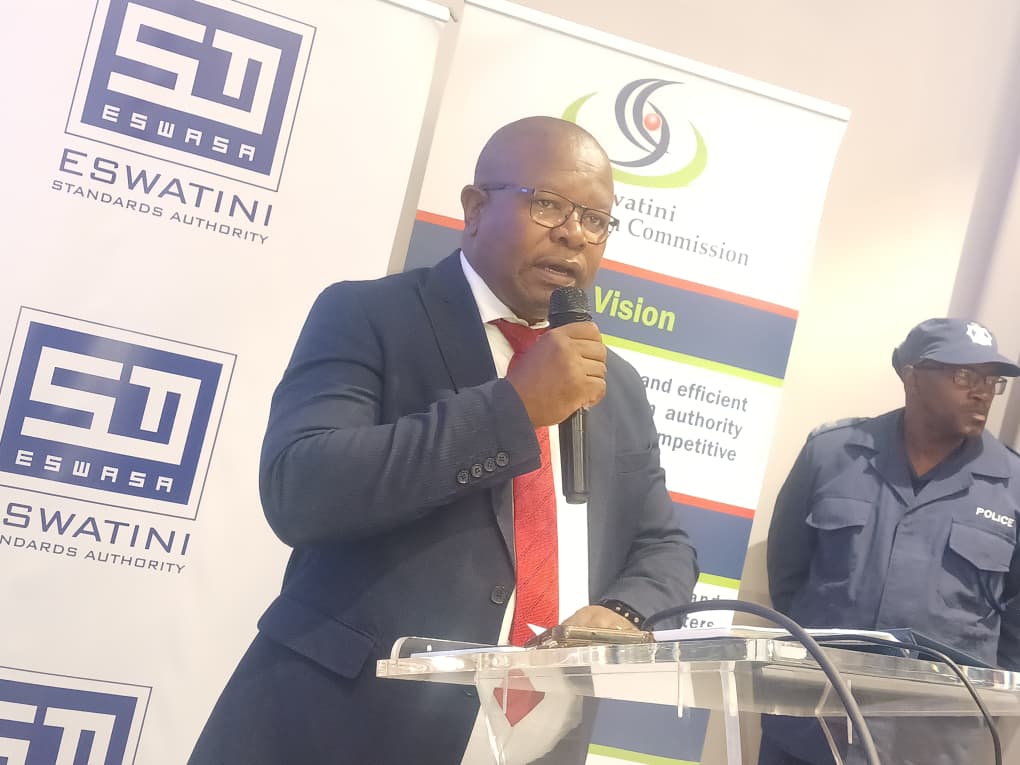
Mbabane- Members of Parliament have raised concerns over the effectiveness of competition regulation in Eswatini, questioning whether the country’s competition watchdog is adequately involved in key decision-making processes and whether it is doing enough to protect consumers and workers from the effects of market dominance.
During a workshop of the Portfolio Committee in the Commerce, Industry and Trade on Wednesday, legislators sought clarity from the Eswatini Competition Commission (ECC) on how it enforces competition regulations and ensures fair market practices across various sectors of the economy.
The committee Chairperson Hon. Mzwandile Mamba questioned the Commission’s operational processes, particularly its level of involvement in meetings and decisions that affect competition in the marketplace. The chairperson requested greater clarity on whether the Commission is fully engaged when critical decisions are made and how it monitors compliance with competition regulations.
Contributing to the discussion, Mhlambanyatsi Member of Parliament Sibongile Mamba expressed concern over the pricing of essential services provided by state-owned entities such as the Eswatini Water Services Corporation and the Eswatini Electricity Company. She argued that consumers are often subjected to high mark-ups because they have no alternative service providers to turn to.


Mamba said the monopolistic nature of these entities leaves consumers with limited choices, making it difficult for market forces to regulate prices.


Meanwhile, Mtsambama Member of Parliament Dr. Bonginkosi Dlamini raised concerns about the increasing trend of businesses acquiring multiple companies within the country. He questioned what regulations are in place to prevent excessive market concentration and ensure that mergers and acquisitions do not undermine competition.
He further warned that unchecked acquisitions could result in job losses and downward pressure on wages as larger companies consolidate operations to reduce costs.
Responding to the concerns, Eswatini Competition Commission Chief Executive Officer Sibaniselizwe Maseko said the Commission faces significant limitations under the current legal framework. She told the committee that there are several gaps in the Competition Act of 2007 that restrict the Commission’s ability to intervene in certain matters.
Maseko explained that while consumers frequently approach the Commission with complaints, the law does not always empower the regulator to act on every issue raised.
“There are a lot of gaps in the law. The law does not allow us to act fully,” she said.
She noted that many complaints brought before the Commission fall outside its competition mandate, making it difficult for the regulator to take direct action even when consumers expect intervention.
Maseko said the Commission can only act within the powers granted by legislation and stressed the need for legal reforms to strengthen its ability to protect consumers and promote fair competition.
Addressing concerns about one company controlling several subsidiaries, the CEO said the current law limits the Commission’s oversight to the merger under review and does not extend to the subsidiary companies listed beneath the parent company.


Discussion about this post