



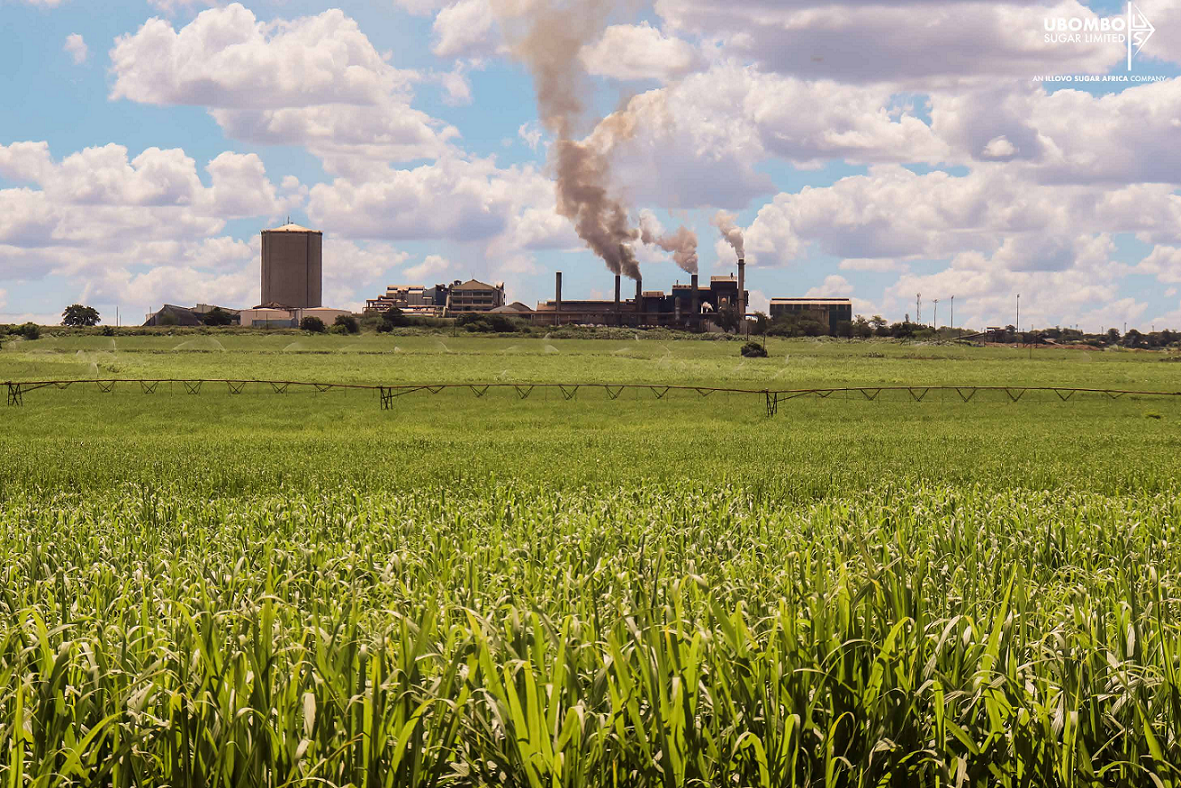
Mbabane- Eswatini’s sugar industry is increasingly positioning itself as more than a traditional agricultural exporter, with growing investments in renewable energy, ethanol production and other cane by-products creating new revenue streams that could strengthen the sector’s long-term competitiveness.
This comes as a recent regional study by the International Finance Corporation (IFC) and the Common Market for Eastern and Southern Africa (COMESA) identified Eswatini as one of the region’s most efficient and lowest-cost sugar producers, citing strong industry coordination, world-class irrigation infrastructure and sustained support for smallholder growers.
While the Kingdom continues to enjoy a competitive advantage in sugar production, the report suggests that future growth will depend on how effectively the industry commercializes higher-value by-products derived from sugarcane. These include ethanol, molasses and electricity generated from bagasse, the fibrous residue left after cane crushing.
The findings align closely with ongoing investments already taking shape within the sector. Associated British Foods (ABF) Sugar has committed £100 million towards the expansion of its operations at Ubombo Sugar Limited, including the development of a 40-megawatt biomass cogeneration facility that will generate renewable electricity for the national grid using bagasse.


The project represents a significant shift in the industry’s value proposition, transforming what was once considered a processing by-product into a commercially valuable energy resource. Industry analysts view such investments as critical to reducing dependence on volatile global sugar prices while creating additional income streams for producers and the broader economy.


The study notes that increasing transparency and efficiency in the allocation of revenues generated from cane by-products could further enhance sector competitiveness. Greater participation by downstream manufacturers and value-added processors could also stimulate industrial development and create new market opportunities beyond raw sugar exports.
As pressure mounts on sugar-producing nations to improve efficiency and sustainability, Eswatini’s emerging focus on renewable energy, industrial diversification and by-product commercialisation could provide a blueprint for maintaining competitiveness in a rapidly evolving global market.


Discussion about this post