



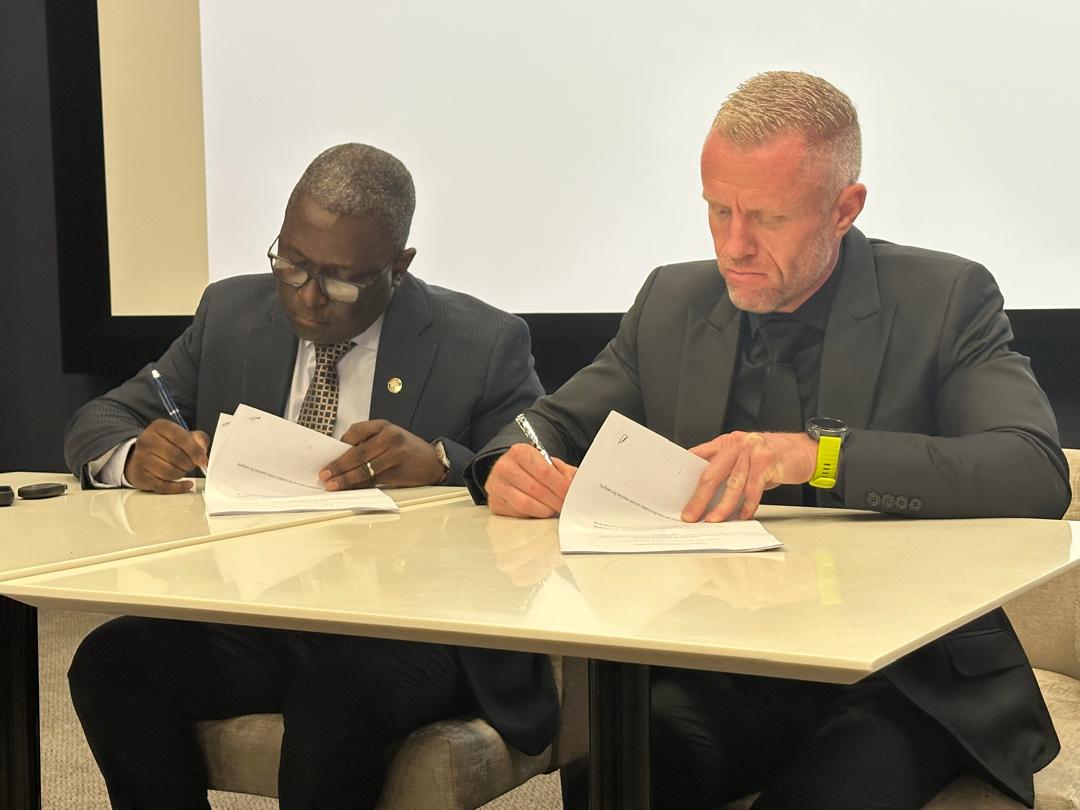
Ezulwini–The Government of Eswatini has launched a comprehensive review of salary structures across State-Owned Enterprises (SOEs), a move aimed at addressing widening pay disparities and establishing a more equitable remuneration framework within the public enterprise sector.
Speaking during the launch of the exercise on Monday, Finance Minister Neal Rijkenberg acknowledged frustrations among public enterprises over delays in implementing salary adjustments, saying many entities had waited years for clarity on remuneration issues.
He said the review would seek to harmonise salary structures across SOEs while recognising differences in organisational size, complexity and mandate.
According to the minister, government became concerned that the existing system was creating inequalities between enterprises, with financially stronger entities able to secure salary increases while struggling organisations fell further behind.


“The entities that were not performing well were not getting salary reviews and were increasingly being left behind,” he said.
Rijkenberg stressed that harmonisation would not result in all employees receiving identical salaries. Instead, the exercise would establish fair and consistent pay structures, particularly for lower-level positions performing similar functions across different organisations.
He cited drivers and cleaners as examples of employees whose remuneration should not differ significantly simply because they work for different public enterprises.


The review will also assess the current categorisation of SOEs, which government believes no longer adequately reflects the size and complexity of some organisations.
At present, categorisation is heavily influenced by asset values. However, Rijkenberg said factors such as employee numbers, organisational mandate and annual turnover should also be considered when determining an entity’s classification.
The exercise will be conducted by Emergency Growth, the same consultancy that previously undertook government’s salary review programme.
While welcoming the initiative, Rijkenberg cautioned that implementation of any recommendations would ultimately depend on affordability and available fiscal resources. He appealed to SOE executives to maintain stability within their organisations while the review process is underway, assuring them that government intends to move swiftly once the exercise is completed.


Discussion about this post