



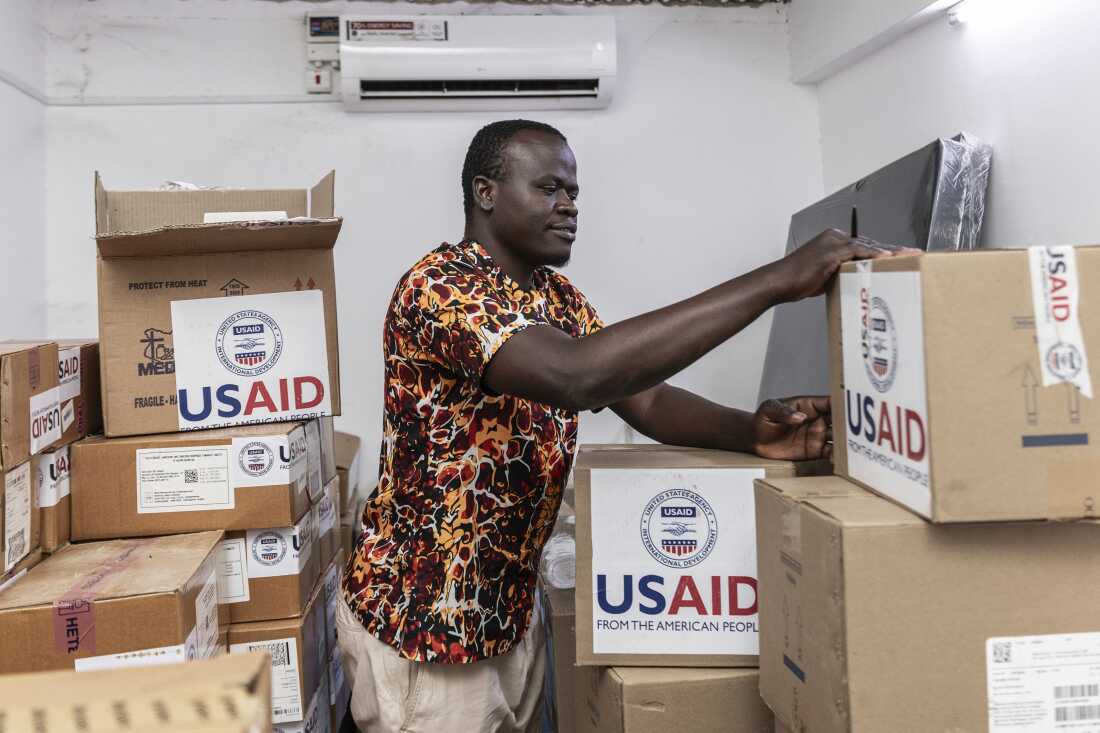
Mbabane – Stolen donor-funded health commodities, including supplies financed through the United States President’s Emergency Plan for AIDS Relief, are being sold on the black market in several countries, according to reports by the Eswatini Observer.
The revelations are contained in the America First Global Health Strategy report, which draws on findings from a recent USAID investigation conducted across 10 countries. The report found that half of the vendors visited were selling stolen health supplies, with about 25 percent of those goods traced back to United States taxpayer funding.
Investigators said some of the stolen commodities were distributed across national borders, pointing to the existence of organised criminal networks involved in the diversion and resale of donor funded medicines and medical products.
The findings form part of a broader probe into inefficiencies and corruption within United States foreign health assistance programmes. The strategy was signed by US Secretary of State Marco Rubio and outlines systemic weaknesses in how aid is administered and monitored.


According to the report, high overhead costs remain unclear to both donors and recipient governments. It also states that the use of multiple implementing non government organisations has resulted in fragmented systems and duplication of resources.
Beyond theft, the report also raises concerns about violations of United States law linked to donor funded programmes. A 2025 investigation revealed that nurses funded through PEPFAR in Mozambique carried out at least 21 abortions, contrary to the Helms Amendment, which restricts the use of US funds for abortion related services.


Rubio said these findings pointed to the need for reforms to ensure that United States foreign assistance remains aligned with American laws and values.
As part of proposed changes to how health aid is delivered, the strategy commits to reducing inefficiencies and shifting more programme ownership to recipient countries. The report states that for long term sustainability, local ministries of health should take the lead in training, quality control and programme management.



Discussion about this post