



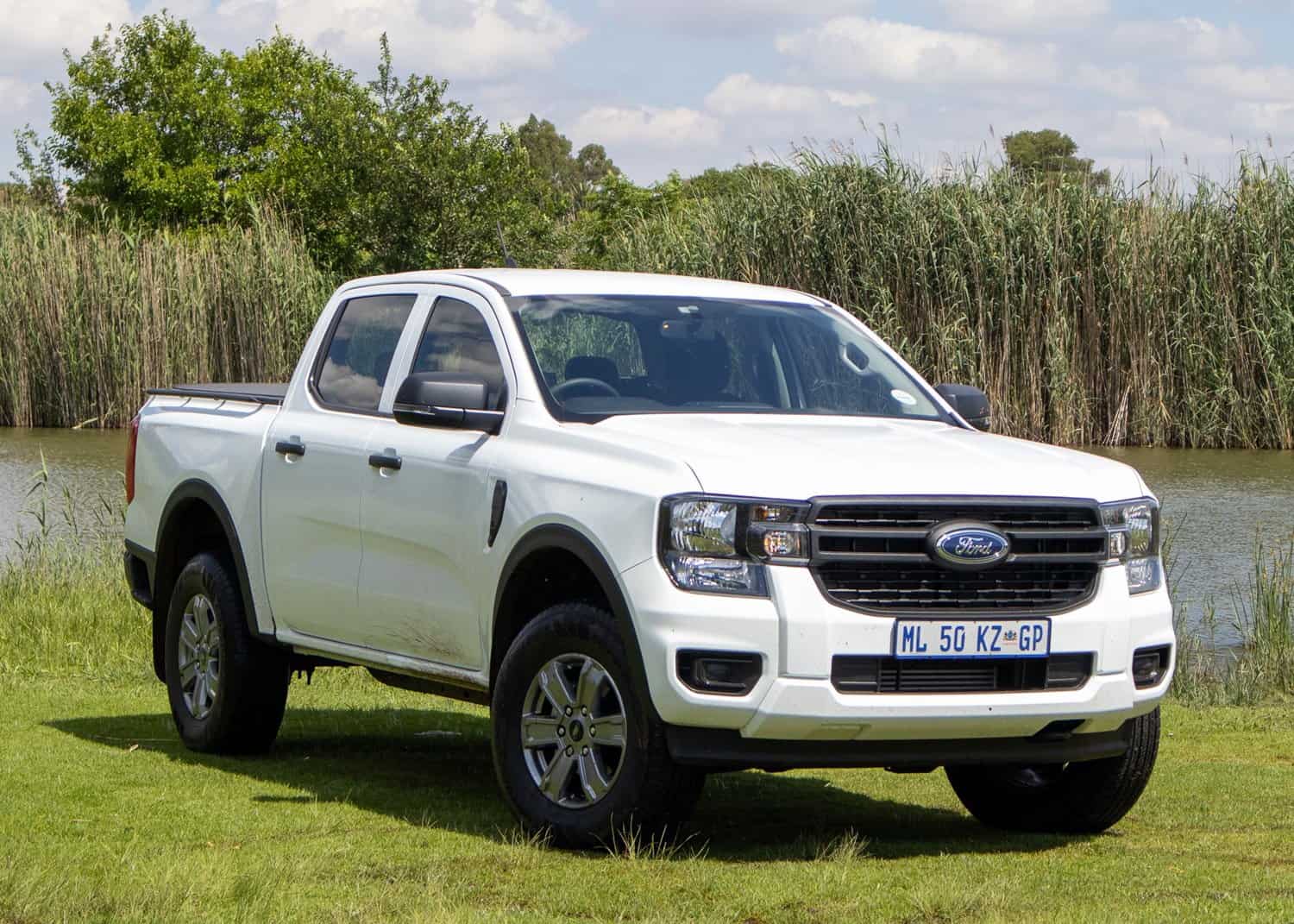
Mbabane – Ford’s decision to retain a manual gearbox in its entry level Ranger double cab has become a talking point among motorists in Eswatini as the brand prepares a round of revisions for early 2026. While automatic transmissions dominate the local bakkie market, Ford is keeping the three pedal setup for buyers who still value old school driving involvement.
The updates coming next year include dropping the locally assembled two litre bi turbo diesel in favour of a 2.3 litre EcoBoost petrol engine from Spain. The single turbo two litre diesel will remain, now with a timing chain instead of a belt, and paired with a new General Motors co developed ten speed automatic transmission. The three litre V6 diesel will also be offered in more variants.
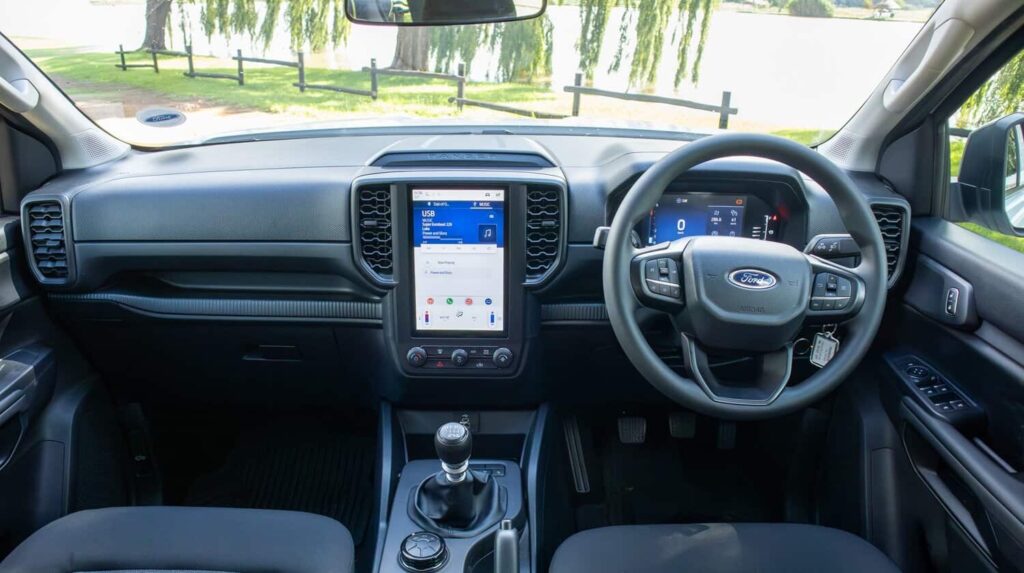
Despite these changes, Ford has kept the six speed manual gearbox exclusively for XL grade single and double cab models. This applies to the rear wheel drive version and the part time four wheel drive tested for this article. For many drivers in the country’s rural and farming communities, this remains a welcome option because it offers a level of control often preferred on gravel, steep terrain and work sites.
Priced at E675,000 at Autofin Ford, the Ranger XL manual four-wheel drive is positioned above comparable models such as the Isuzu D Max 1.9 L and Toyota Hilux 2.4 GD 6 SR, offering stronger performance and more equipment. The price includes a maintenance plan, towbar, rubberising, and Pack 4.
The XL version reviewed carries a modest exterior design finished in Frozen White, with black bumpers and door handles and fitted with optional 17 inch alloy wheels. While the base specification may seem bare compared to the high end Wildtrak derivatives often seen in Eswatini, the XL still offers a practical working setup. Optional tow bars and tonneau covers remain available, though Ford continues to reserve LED headlights for higher trims.


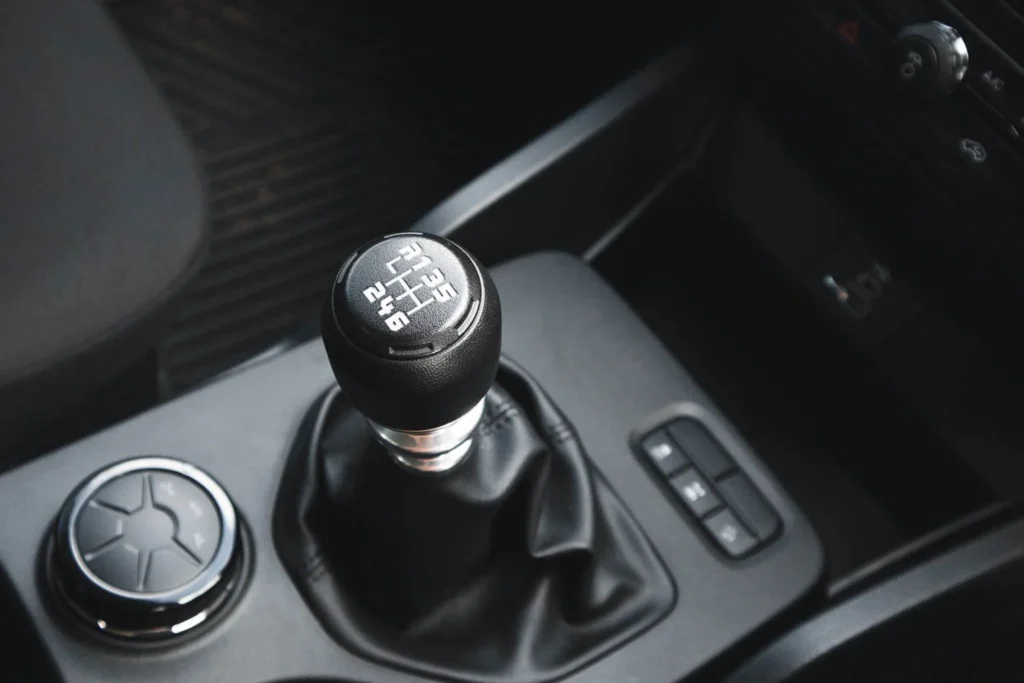
Although not perfect, the six-speed manual gearbox is engaging to use and, once mastered, relatively slick. Image: Rynhardt Steenkamp
Inside, the Ranger XL keeps things simple. Fabric seats, manual adjustment and a smaller 10.1 inch infotainment system replace the larger screens and premium touches found in the XLT and Wildtrak. The system nevertheless supports Apple CarPlay, Android Auto and voice command. The cabin uses mostly hard plastics but feels solid and durable for daily farm, business or construction use.
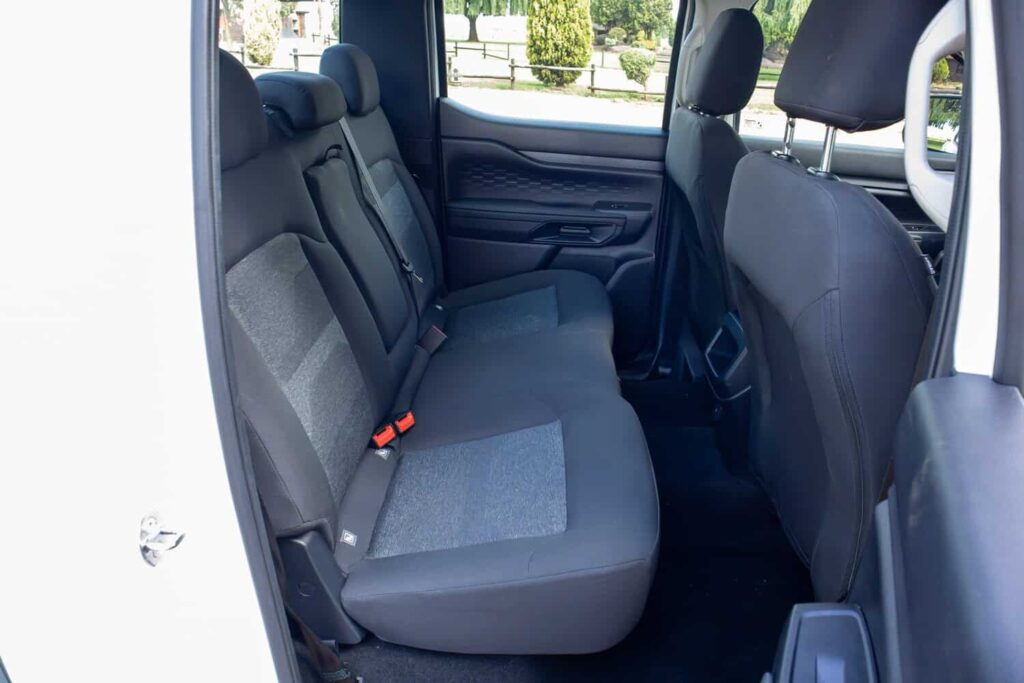
Rear head and legroom leave little to be desired. Image: Rynhardt Steenkamp
Rear passengers get adequate legroom, although the lack of rear air vents may be a drawback during hot Lowveld temperatures. The driving experience centres on the manual gearbox, which brings a rare sense of engagement. The short first and second gears require frequent shifting, and the clutch pedal’s firm action may take some getting used to, especially in traffic.
Off road, the Ranger maintains its reputation as a reliable workhorse. During a muddy test route, its 237 mm ground clearance and part time four wheel drive system proved effective. Engaging four high and using the locking rear differential allowed the bakkie to power out of slippery patches while still requiring driver skill because the gearbox no longer shifts on its own.
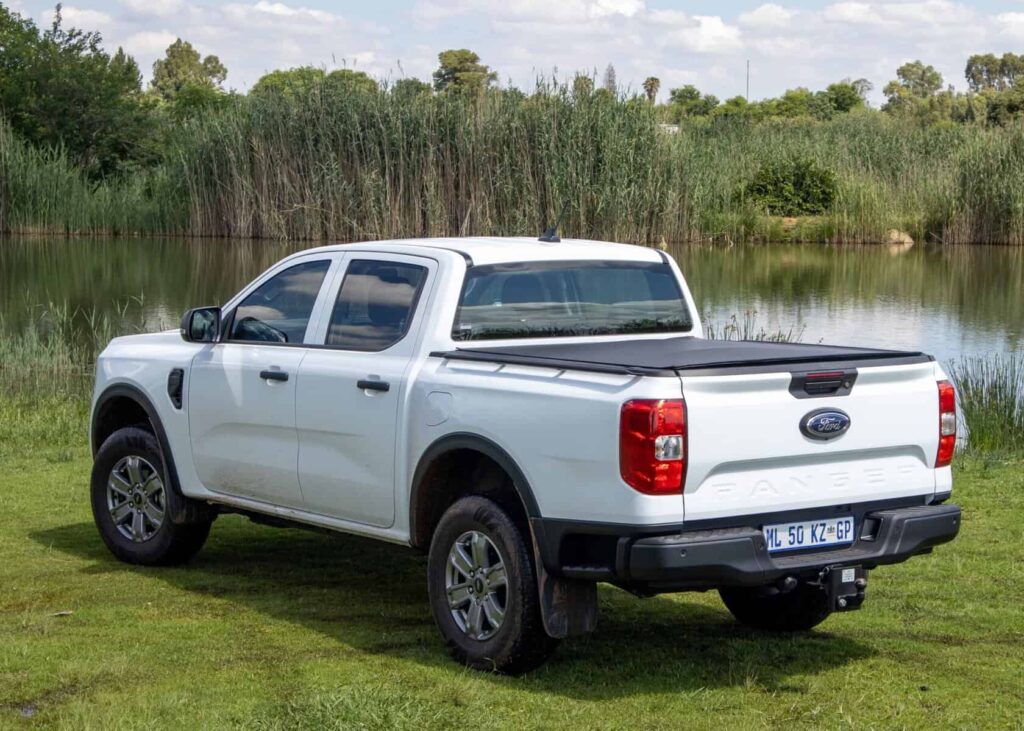
Fuel consumption remained reasonable at 7.8 litres per 100 km over a 446 km drive, which supports Ford’s decision to continue offering the more economical single turbo diesel.
The manual gearbox may be a niche choice for most buyers in Eswatini, who often prefer the convenience of an automatic when navigating busy routes through Mbabane or Manzini. But for drivers who still enjoy full control of a bakkie on challenging terrain, Ford’s commitment to keeping this transmission alive ensures that the Ranger XL remains a dependable and uncomplicated option for real work.


Discussion about this post