



Johannesburg – The United States has committed $4.6 billion to the Global Fund’s efforts to fight HIV, tuberculosis (TB), and malaria, despite ongoing tensions with South Africa. The pledge, announced remotely by Jeremy P. Lewin, the U.S. under-secretary of state for foreign assistance, came during a replenishment drive held on the sidelines of the G20 summit in Johannesburg on Friday.
The announcement was made amid a diplomatic rift, with US President Donald Trump having refused to attend the G20 summit in Johannesburg. Tensions had been escalating between Pretoria and Washington, but the US confirmed late on Thursday that it would send a delegation to observe the summit and take over the G20 chairmanship in 2026.
At the replenishment drive, Lewin described the US pledge as part of the nation’s ongoing commitment to addressing global health crises, despite a modest reduction in the donation compared to previous years. The funds will support the Global Fund’s mission to combat HIV, TB, and malaria, diseases that have claimed millions of lives worldwide.
“The Global Fund has been a critical partner in advancing America’s global health strategy,” Lewin said. He praised the fund for its success in procuring essential healthcare commodities and empowering front-line workers, stressing that the US would continue to support initiatives that showed tangible results.

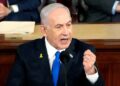
Health Minister Aaron Motsoaledi, speaking at the event, described the summit as a defining moment for global health and multilateral cooperation. “Africa has endured the darkest days of HIV, TB, and malaria, but we remain strong and more resilient. This summit is a clear message that Africa is central to the future of global health,” he said.


The summit also saw several other nations pledging significant amounts to the Global Fund. The UK committed over $1 billion, while Canada, Italy, and Monaco also made contributions. Other countries, including Zimbabwe and Nigeria, made smaller but significant pledges, demonstrating global solidarity in the fight against these diseases.
Despite the challenges, Lewin said the Trump administration would continue to prioritize reforms to eliminate wasteful aid programs, with a focus on high-impact healthcare initiatives that encourage self-reliance in recipient countries. The U.S. commitment, he said, was part of broader efforts to reduce inefficiencies in global health funding.


Discussion about this post