



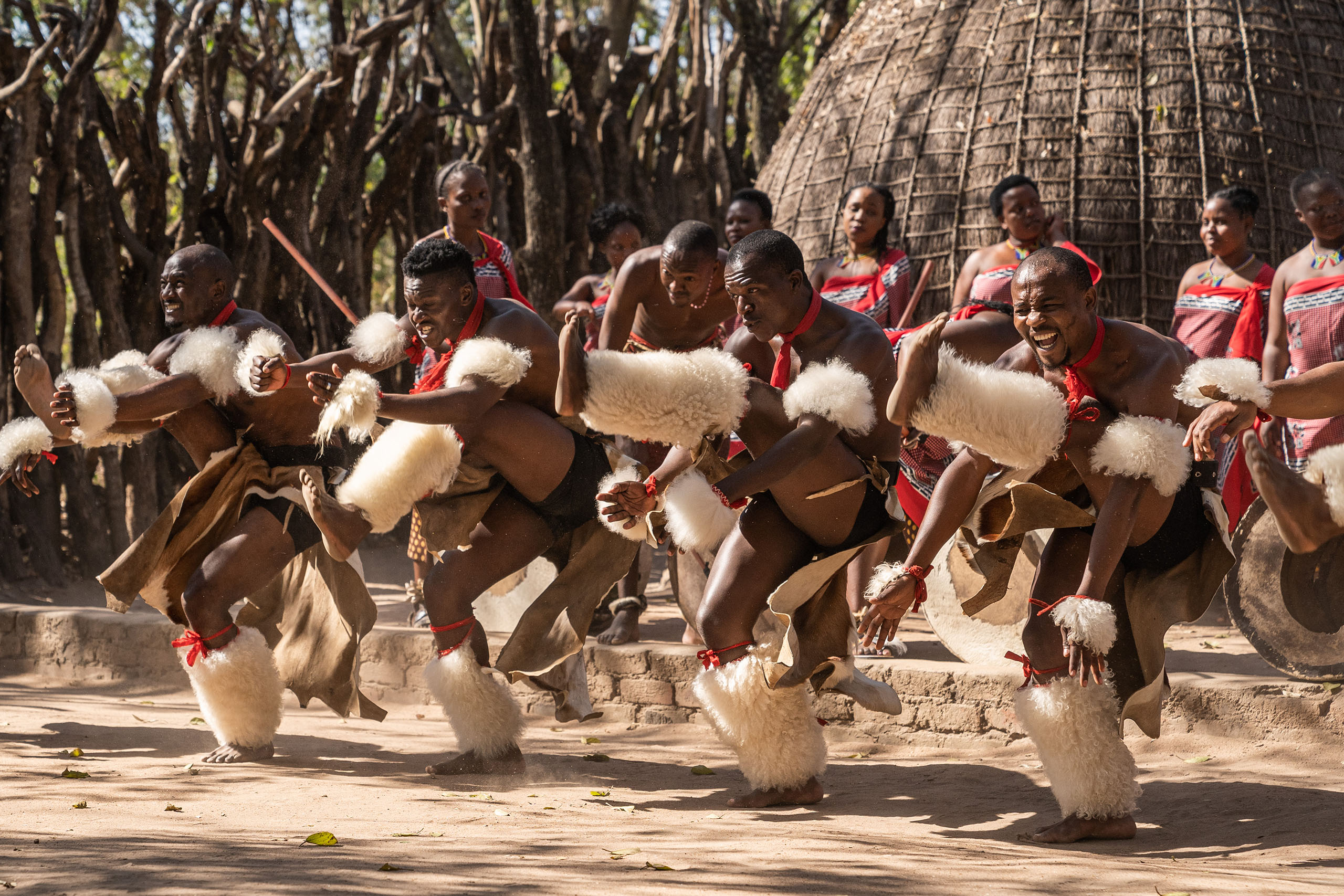
Mbabane – Eswatini’s cultural and modern festivals are attracting travelers from around the world, offering a unique blend of ancient traditions and contemporary celebrations. The kingdom’s reputation as a tourist destination continues to grow as it preserves its cultural heritage while embracing new forms of entertainment.
Central to the country’s identity are traditional ceremonies, including the Umhlanga or Reed Dance, Incwala, and Marula Festival. The Reed Dance, held annually in August or September at Ludzidzini, brings together young women dressed in traditional attire to gather reeds for the Queen Mother. The event is both a rite of passage and a spiritual observance deeply rooted in Swazi culture.
The Incwala ceremony, celebrated between December and January, honors the king and unites the nation through rituals unchanged for centuries. Meanwhile, the Marula Festival in February or March marks the harvest of the Marula fruit and offers a communal celebration for locals. Festival dates follow the lunar calendar, maintaining the spiritual integrity of these events. Visitors are encouraged to observe respectfully.
Festivities extend beyond royal grounds, with communities across the country joining in. Men and women in traditional dress dance and sing as they walk to ceremonial sites, demonstrating that these events are woven into everyday life in Eswatini.


Modern festivals are also gaining recognition. The MTN BUSHFIRE Festival in May showcases music, dance, and theater, drawing both local and international artists. The Luju Food & Lifestyle Festival in August focuses on food, fashion, and sustainable living, reflecting a growing trend in lifestyle tourism.


Eswatini’s sporting events, such as the Eswatini Mountain Bike Challenge, further complement its festival calendar. These races, set against the kingdom’s scenic valleys and hills, attract athletes from around the world seeking adventure and competition.


Discussion about this post