



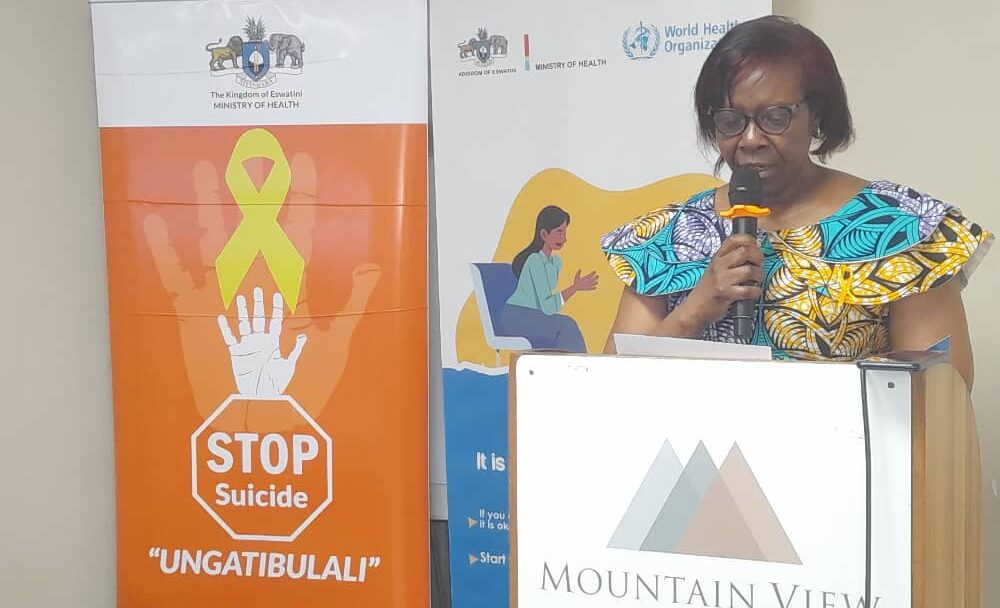
Mbabane – The World Health Organisation (WHO) Representative to Eswatini Dr Susan Tembo said for every 40 seconds, a person dies by suicide, totalling around 700 000 deaths globally.
During the commemoration of World Suicide Prevention Day at Mountain View on Wednesday, Dr. Tembo emphasized the urgent need for prevention strategies and open discussions about suicide.
Referring to the theme, “Changing the Narrative – Let’s Start the Conversation,”Dr Tembo encouraged people and the government to start conversations that would lead to preventing suicides. She also called for dismantling stigma while creating safe spaces for people to feel seen, heard, and supported.
“Too many lives have been lost, far too many families left grieving in silence. But today, by coming together, we are saying: enough is enough.


“Suicide is a global public health crisis. Each year, more than 700,000 people die by suicide, that’s one person every 40 seconds. These are not just statistics; they represent families, friends, and futures lost,” she said.
The World Suicide Prevention Day is observed world over on September 10 aimed at encouraging global commitment and actions to prevent suicides.
Suicide prevention go hand-in-hand with mental health, it was said, and a timely, courageous, necessary, and a lifesaving nationa agenda is a necessity. Dr Tembo noted that the prevention strategies in Eswatini were particularly urgent.
Global Health Estimates 2021, pin the Eswatini suicide rate at 31.8 per 100,000 population, almost three times above the African regional average of 11.5.
Dr Tembo said even more alarming, Eswatini records the highest male suicide rate in the world, at 54.2 per 100,000.
“These figures place Eswatini among the most severely affected countries; not only in the region, but globally,” she said.
To make significant changes, the health sector is called upon turnaround from missed opportunities to prevent all suicides. About 83% of people who die by suicide had contact with a health worker in the year before their death, Dr Tembo said, and nearly half sought care in the last month of their life.
“We must change this. Clinicians and health workers must be trained, supported, and encouraged to ask difficult questions about suicidal thoughts with compassion and confidentiality. These conversations may feel uncomfortable, but they can be the difference between life and death. Our facilities must be spaces of compassion, confidentiality, and care,” Dr Tembo said.
The WHO said suicide is deeply tied to poverty, trauma, gender-based violence, unemployment, and social isolation other than just a health issue. It is Eswatini’s opportunity to establish a comprehensive policy framework and a coordinated multisectoral response.


“Honourable Minister of Health, WHO encourages all countries to develop and implement national suicide prevention strategies and mental health plans. Eswatini is on the right path. We commend the Ministry of Health for integrating suicide prevention into the National NCD Health Sector Response Plan 2024–2028. This is foresight in action. WHO stands ready to provide the technical support, tools and expertise needed to strengthen Eswatini’s suicide prevention and mental health systems,” Dr Tembo said.
She reiterated that the WHO is ready to assist nations through its LIVE LIFE framework, which offers evidence-based guidance focusing on limiting access to means of suicide, promoting responsible media reporting, fostering life skills in adolescents, and ensuring early identification and care for those at risk.
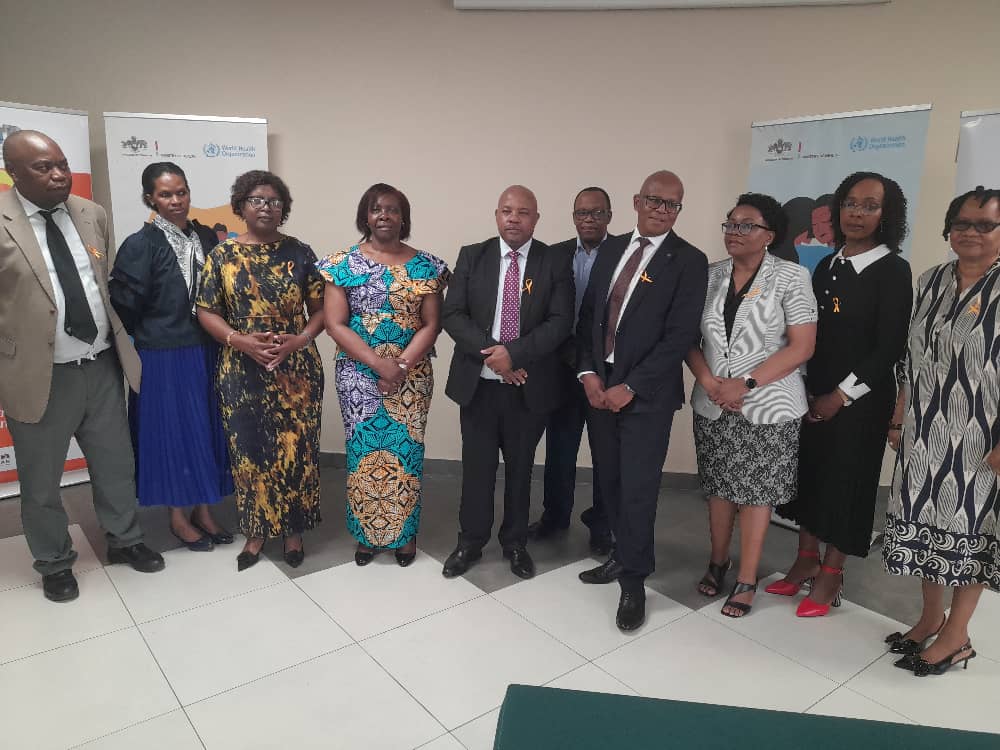
The event was attended by the Minister of Health Mduduzi Matsebula, government officials in the health sector, development partners, Non-governemental organisations representatives and academia.


Discussion about this post