



Lobamba – When are our salaries going to increase?
This is the question emerging from public anger over the 25% bus fare hike, with some emaSwati questioning Members of Parliament (MPs) who supported the increase while welcoming Senator Princess Ncengencenge warning that higher fares could push struggling households deeper into financial distress.
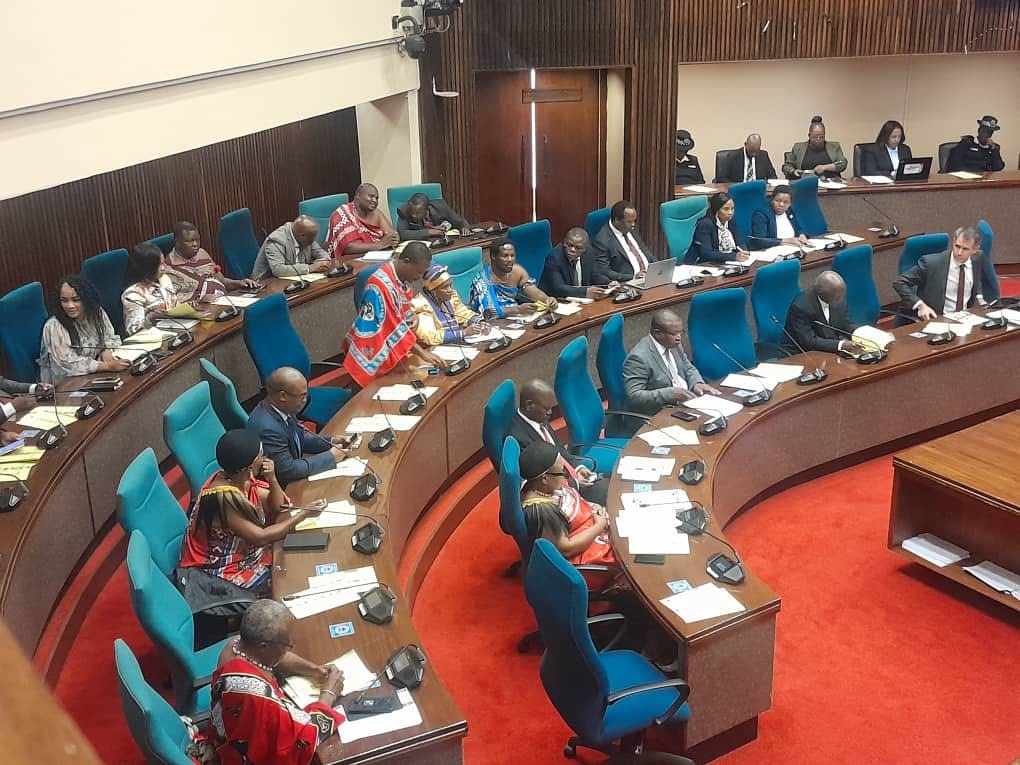
The public reaction comes after both the House of Assembly and the Senate passed the Maximum Bus and Taxi Fares Amendment Regulations, 2026, allowing the maximum fare for the first eight kilometres to rise from E10 to E12.50.
One social media commenter questioned why salaries remained low while electricity tariffs, food prices, rent and transport costs continued to rise.


“Liciniso litsi inkinga akusiko kukhuphuka kwe bus fare. But inkinga lenkhulu ilakutsenini emaholo wona akhuphuka nini,” the commenter wrote, asking when salaries would finally be increased.
For workers who depend on public transport every day, this means spending more money travelling to and from work while still having to buy food, pay rent and cover other household expenses.
The anger has been particularly strong among people who say their salaries have not increased at the same pace as the cost of living. Textile workers have also expressed concern, saying they could be forced to walk to work if they can no longer afford the higher fares.
However, Senator Ncengencenge raised concerns about what the increase could mean for emaSwati who are already struggling to make ends meet. She warned that the additional financial pressure could worsen mental health challenges and increase suicide risks among vulnerable citizens.
She called on Government to find common ground with transport operators instead of leaving commuters to carry the burden alone. She also questioned whether the mental health facility in Manzini had enough capacity to accommodate patients if demand for services increased.


Her concerns have struck a chord with members of the public who believe the fare debate should also consider the hardship faced by passengers who cannot simply increase their earnings whenever prices go up.
The commenter also questioned how workers could manage on a salary of E1 500 when so many basic expenses continued to rise, calling for wages to be reviewed.
Another commenter defended transport operators, arguing that they also needed to feed their families, buy fuel, maintain their vehicles and repay loans used to establish their businesses. The commenter questioned why operators were being criticised for increasing fares when other costs had also risen.
But others directed their frustration at lawmakers, questioning whether those who supported the increase understood what it meant for ordinary workers who rely on public transport every day.
The comments reveal two sides of the same struggle: transport operators say they need higher fares to keep their businesses running, while passengers say their incomes are not enough to absorb yet another increase.
For textile workers who say they may have to walk to work, the debate is no longer simply about paying an extra E2.50 for a short journey. It is about whether they will still be able to afford the transport they need to earn their salaries in the first place.
With both houses of Parliament having approved the regulations, the challenge now is how Government can help transport operators meet rising costs without leaving low-income workers and other commuters with even fewer options.

Discussion about this post