



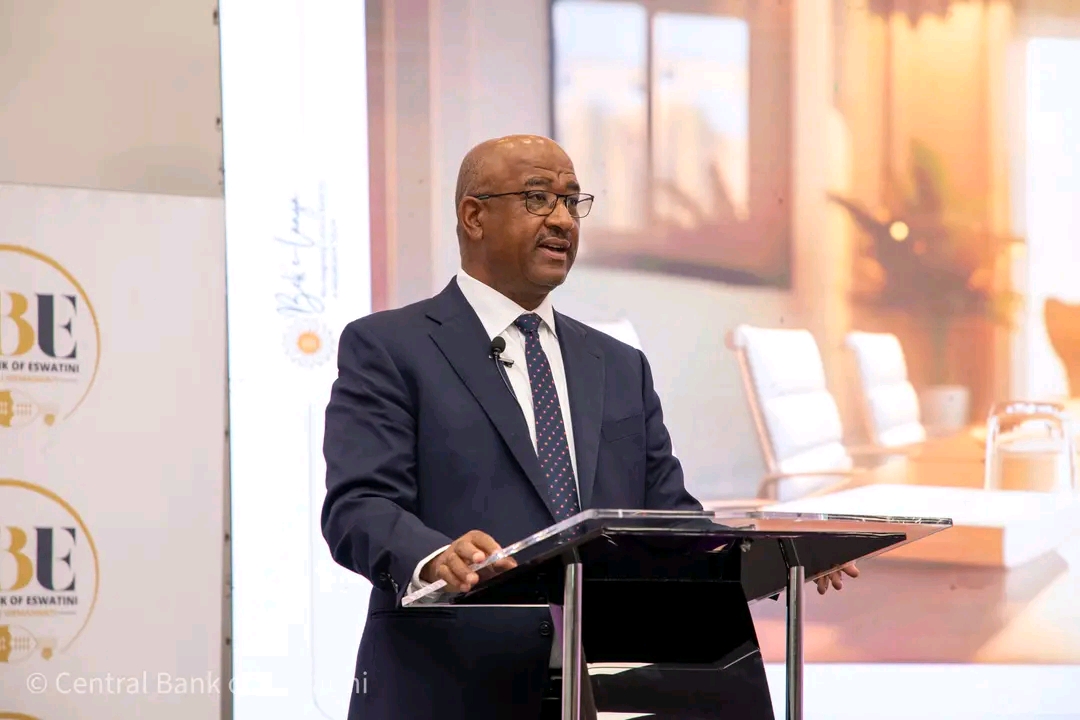
Mbabane: The escalating conflict in the Middle East involving the United States, Israel and Iran is expected to drive inflation higher in Eswatini in the coming months, with rising global oil prices and a weakening Lilangeni increasing pressure on consumers, Central Bank Governor Phil Mnisi has warned.
Delivering the latest Monetary Policy Statement, Mnisi said although inflation had recently moderated, the country’s inflation outlook was now expected to trend upwards due to growing external pressures.
“Despite the recent moderation in headline inflation, Eswatini’s inflation outlook is expected to trend upwards in the near term as underlying pressures begin to emerge,” said Mnisi.
He attributed the anticipated increase largely to geopolitical tensions in the Middle East, which he said had caused a sharp rise in international oil prices.


According to the Governor, Brent crude oil prices rose significantly from US$61.5 per barrel in December 2025 to US$106.9 per barrel by the end of March 2026.


“This increase reflects supply-side disruptions associated with geopolitical instability, particularly in the Middle East,” he said.
Mnisi explained that the impact of rising oil prices would likely be felt across the domestic economy through higher fuel and transport costs, which could eventually spill over into food prices and broader inflation.
“The resulting supply shock is expected to be transmitted to the domestic economy through higher fuel costs directly impacting transport inflation, with second-round effects affecting food prices and overall inflation,” he said.
The Governor also identified exchange rate movements as another major risk factor.
He noted that the Rand/Lilangeni had depreciated considerably in recent months, increasing imported inflation pressures in Eswatini, which relies heavily on imports for fuel, food and other consumer goods.
“Exchange rate developments also present a key upside risk to domestic inflation,” said Mnisi.
Despite the mounting pressures, the Governor said inflation had so far remained relatively contained, partly because of what he described as a “soft approach” to increases in administered prices.
Administered prices include regulated costs such as electricity tariffs, public transport fares and other government-controlled charges that often influence inflation levels.
According to the Central Bank projections, inflation is expected to average 3.1 per cent during the second quarter of 2026 before rising to 4.0 per cent in the third quarter and 4.2 per cent in the fourth quarter.
On an annual basis, inflation is forecast to average 3.3 per cent in 2026.
The latest warning comes as households continue to face pressure from the rising cost of living and increasing fuel prices, which have a direct impact on transport and commodity costs.
Economists often view fuel prices and exchange rate movements as critical drivers of inflation in import-dependent economies such as Eswatini.
The Monetary Policy Statement released by the Central Bank of Eswatini forms part of the bank’s assessment of economic developments and inflation trends in the country.
The inflation outlook is expected to remain closely monitored by businesses, consumers and policymakers amid concerns over global instability and its potential impact on the local economy


Discussion about this post