



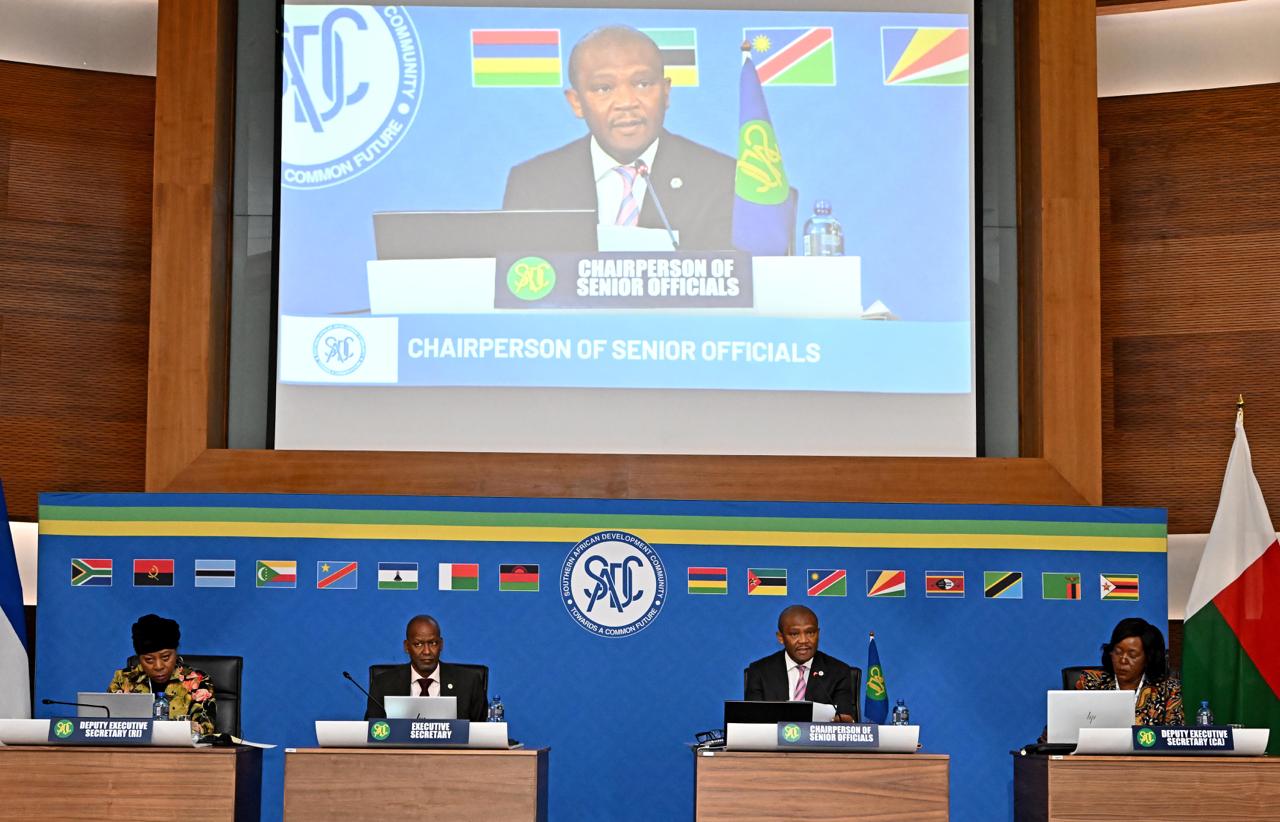
Pretoria, South Africa – Senior officials from the Southern African Development Community are meeting in Pretoria, South Africa, on 4 and 5 March 2026 to deliberate on the Mid Term Review of the SADC Regional Indicative Strategic Development Plan for 2020 to 2030 and examine the Draft Protocol on the SADC Parliament.
The gathering brings together senior government representatives from member states, including the Kingdom of Eswatini, ahead of upcoming meetings of the SADC Standing Committee of Senior Officials and the Council of Ministers. The discussions aim to assess progress made in implementing the region’s long term development framework and prepare policy recommendations for ministers.
Chairperson of the SADC Standing Committee of Senior Officials Ambassador Tebogo Seokolo, who also serves as Deputy Director General in the Department of International Relations and Cooperation of the Republic of South Africa, urged participants to reflect on progress achieved under the RISDP 2020 to 2030. He called on officials to identify the challenges that remain and agree on practical steps that will keep regional development efforts on course.
SADC Executive Secretary His Excellency Mr Elias Magosi told the meeting that the review takes place during a period shaped by the after effects of the COVID 19 pandemic, which exposed several weaknesses across the region.


Magosi said the Mid Term Review of the RISDP 2020 to 2030 provides an opportunity for member states to assess whether the region remains on track to achieve the goals outlined in the SADC Vision 2050.


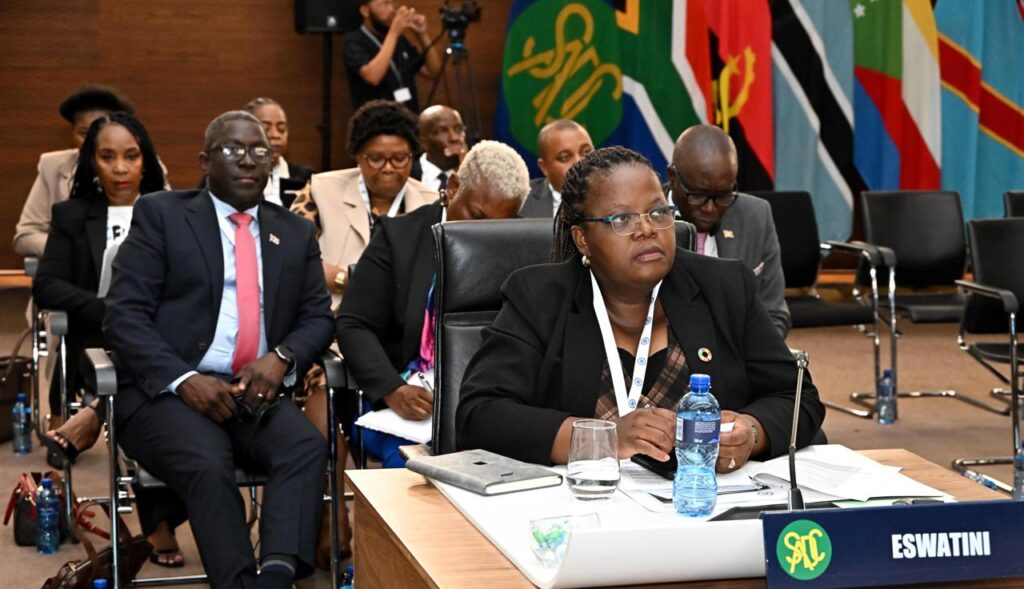
On the proposed SADC Parliament, Magosi said the Draft Protocol had been placed before senior officials for discussion so that member states can fully understand the transformation process before it is submitted to the SADC Council of Ministers for consideration and possible adoption.
The Mid Term Review examined how far the plan’s objectives and targets have been achieved halfway through its implementation period. It also evaluated the effectiveness of the strategies and systems used to implement the programme while identifying risks and challenges that have shaped delivery during a time marked by the COVID 19 pandemic, geopolitical shocks, climate variability and limited fiscal resources.
The review assessed progress across several key pillars of the RISDP, including industrial development and market integration, infrastructure development that supports regional integration, social and human capital development, as well as peace, security and good governance. It also considered cross cutting issues such as youth development, gender equality, climate change and environmental sustainability.


Discussion about this post