



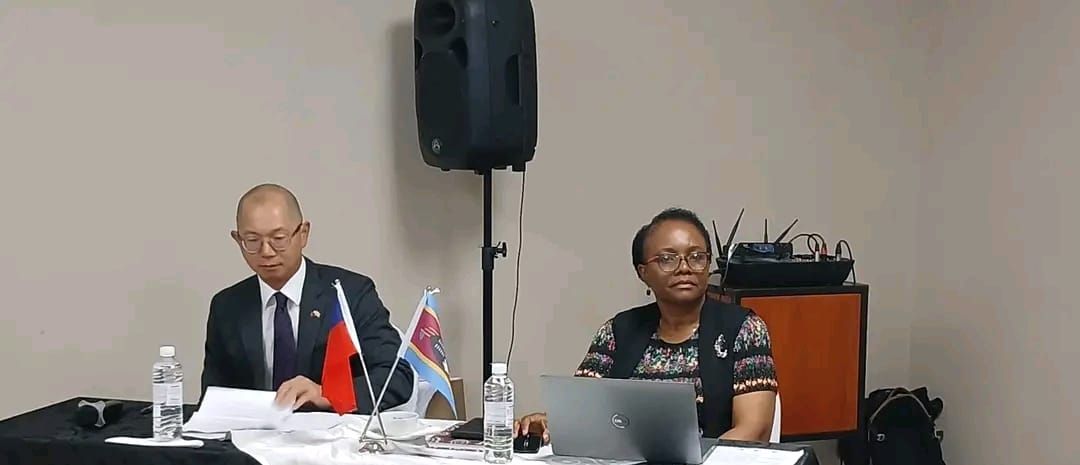
Mbabane – Hypertension services have increased by 90% and diabetes care services by 125% in parts of Eswatini following a joint healthcare initiative between the Ministry of Health and the Taiwan Technical Mission, highlighting the potential of international partnerships to strengthen the country’s response to chronic diseases.
The results were shared by I-Hsiang Tsai of the Embassy of the Republic of China (Taiwan) during the Taiwan–Eswatini Bilateral Seminar on Smart Healthcare and Chronic Disease Prevention held at Mountain View Inn.
The project operates in the Hhohho and Manzini regions, where it aims to improve the prevention, detection and management of non-communicable diseases (NCDs).
Beyond the increase in services, more than 70% of patients living with both hypertension and diabetes returned for follow-up care within six months.


Meanwhile, 86% of high-risk individuals were referred for further medical care within three months, reflecting progress in connecting patients to continued treatment and appropriate healthcare services.
The figures point to the importance of early detection, consistent monitoring and follow-up care in managing chronic conditions that require long-term medical attention. However, the results presented at the seminar relate to the joint project and do not, on their own, establish the national coverage of these services or the overall burden of NCDs in Eswatini.
Director of Health Services–Clinical Dr Velephi Okello expressed appreciation for Taiwan’s continued support to the country’s healthcare sector, including the training of doctors and other healthcare workers. The collaboration reflects the role of technical cooperation in strengthening healthcare capacity and improving services for people living with chronic conditions.


The seminar also comes against the backdrop of growing attention to mental health as an essential part of the country’s healthcare response, particularly among young people and adults experiencing depressive symptoms, anxiety and suicide risk.
At Eswatini Medical Christian University, the Ministry of Health’s Non-Communicable Diseases Department participated in the institution’s Mental Health Commemoration Day, with National Mental Health Focal Person Sindiso Bhembe representing Dr Okello.
The engagement highlighted the need for early conversations about mental health, reduced stigma and accessible support, particularly for students preparing for careers in health and social services. It also reinforced the importance of recognising mental health as part of overall well-being rather than treating it separately from physical health.
Through Bhembe’s participation, the department highlighted its work to integrate mental health services into primary healthcare, schools, workplaces and community platforms, with the aim of making support accessible before distress deepens.
Taken together, the two engagements highlight complementary aspects of Eswatini’s health priorities: improving the detection and management of physical chronic diseases while strengthening awareness and access to mental health support.
For patients living with hypertension and diabetes, the reported improvements in service uptake and follow-up care offer an indication of what targeted interventions can achieve. Sustaining such progress will depend on continued access to healthcare workers, regular monitoring, appropriate referrals and long-term patient support.
For Eswatini, the challenge is to translate promising project results and growing mental health awareness into accessible, sustained healthcare services for communities across the country.


Discussion about this post