



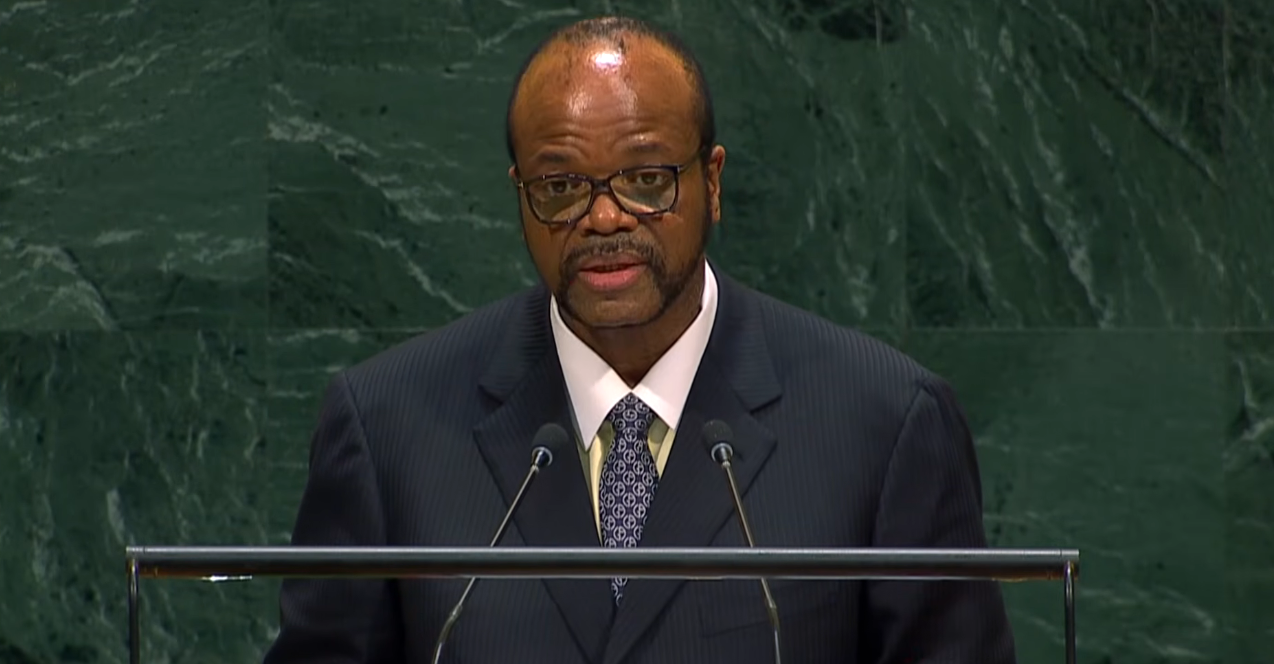
Mbabane – His Majesty King Mswati III has questioned how much longer African leaders must wait for permanent representation on the United Nations Security Council, saying the continent is being denied an opportunity to contribute to decisions on global security.
Addressing the 81st Session of the United Nations General Assembly on Wednesday, 23 September 2026, the King renewed Eswatini’s support for the African Union’s Ezulwini Consensus, which calls for at least two permanent African seats and five non-permanent seats on an expanded Security Council.
“How many more years would we come to this General Assembly to call for Africa permanent representation in the UN Security Council? Mr President, we are being deprived an opportunity to contribute to global security issues,” the King said.
The Ezulwini Consensus was adopted by the African Union in 2005 and remains the common African position on Security Council reform. The position calls for African permanent members to have the same rights and responsibilities as existing permanent members, including the veto for as long as the veto remains in use.
The King linked the call for reform to the wider global security situation, warning that wars and conflicts were slowing development and calling for the United Nations to remain a place where diplomatic channels and dialogue never close.
He said lasting peace could not be secured through battlefield victories alone, stressing the importance of dialogue and diplomacy in resolving conflicts.
The call placed Eswatini alongside other African countries pressing for changes to the composition of the Security Council during the General Assembly.


Kenyan President William Ruto said Africa, with 54 UN member states, had no permanent voice in the body responsible for international peace and security. He argued that the Council should reflect the world as it exists today.
Namibian President Netumbo Nandi-Ndaitwah also said African countries had been negotiating for too long, while Botswana President Duma Boko called for developing countries to have a meaningful voice in decisions affecting areas such as critical minerals, energy and emerging technologies.
The Security Council currently has 15 members, including five permanent members with veto power — China, France, Russia, the United Kingdom and the United States. Africa currently has three elected, non-permanent seats.

Discussion about this post