



DURBAN –SADC Member States need to transform natural resources, agricultural potential and infrastructure into productive industries that create decent jobs and raise living standards for all citizens.
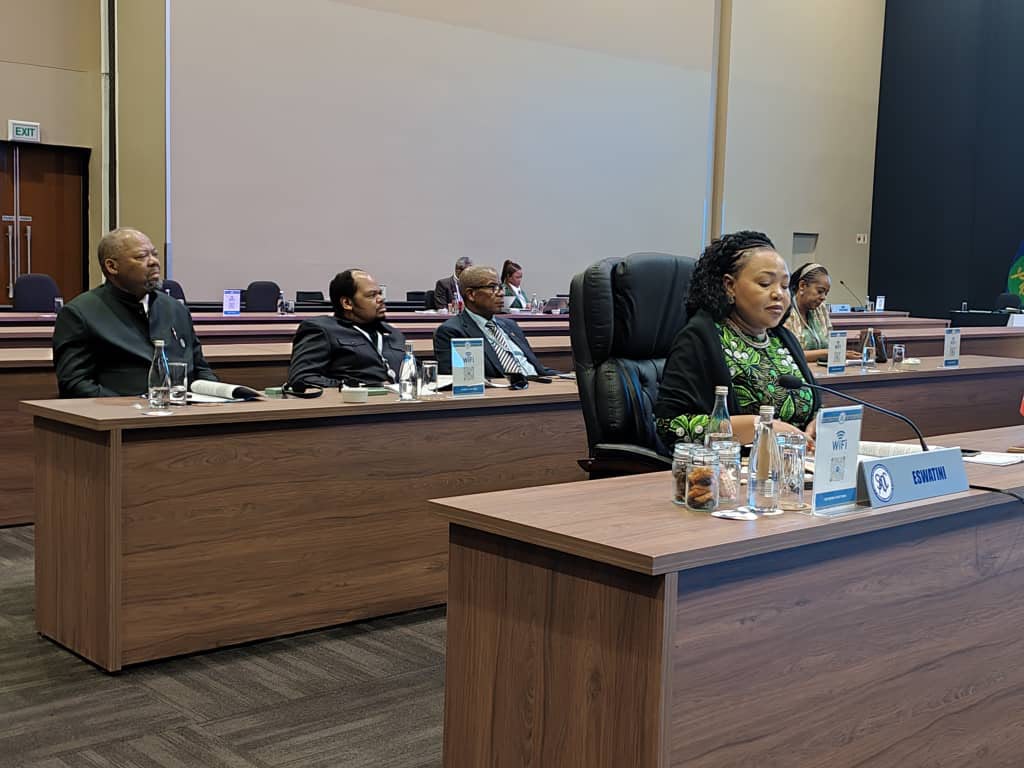
Reflecting on her experience as part of His Majesty King Mswati III’s delegation to the 46th Summit of SADC Heads of State and Government in Durban which concluded today, Minister for Foreign Affairs and International Cooperation Pholile Shakantu, has said the gathering marked both a milestone and a moment for renewed focus.
The Summit was held under the theme “Resilient, sustainable and inclusive industrialisation through Infrastructure Development, Agricultural and Critical Minerals Transformation in Pursuit of a Just World.” It coincided with the 34th anniversary of the SADC Treaty signed in Windhoek on 17 August 1992.
Minister Shakantu said while Southern Africa has made progress since the formation of SADCC in 1980 and its transformation into SADC, the region must now prioritise turning resources into industries that deliver tangible benefits.


Industrialisation, she argued, must be redefined. “It should go beyond the construction of factories to encompass local value addition, technological innovation, skills development, stronger regional trade and inclusive economic participation,” she said.
The Minister noted that with approximately 400 million citizens in the region, people must be empowered not merely as workers but as active stakeholders, calling for a shift away from viewing individuals as cheap labour for multinational corporations towards enabling them to become owners, entrepreneurs and innovators.
“Foreign direct investment remains important, but it must be balanced with deliberate efforts to nurture local investors and businesses. Promoting local entrepreneurship is fundamental to economic justice and a fairer distribution of benefits,” she said.
On agriculture, Minister Shakantu said the sector must move beyond the export of unprocessed crops, while investment is needed in agro-processing, storage, packaging, food manufacturing and distribution to reduce food imports, create rural employment and strengthen food security.


Turning to minerals, the Minister noted that Member States continue to export large quantities of unprocessed resources, limiting job creation, technological development and the share of value retained in the region.
She called for a coordinated regional minerals strategy promoting exploration, responsible extraction, processing, refining and manufacturing, saying the objective should be integrated value chains for refined metals, batteries, renewable energy equipment, electric vehicles and other advanced technologies.
Minister Shakantu emphasised, requires sustained investment in education and training so that citizens acquire the skills needed for emerging industries, adding that environments that stimulate innovation and support local entrepreneurs must also be fostered.


Discussion about this post