



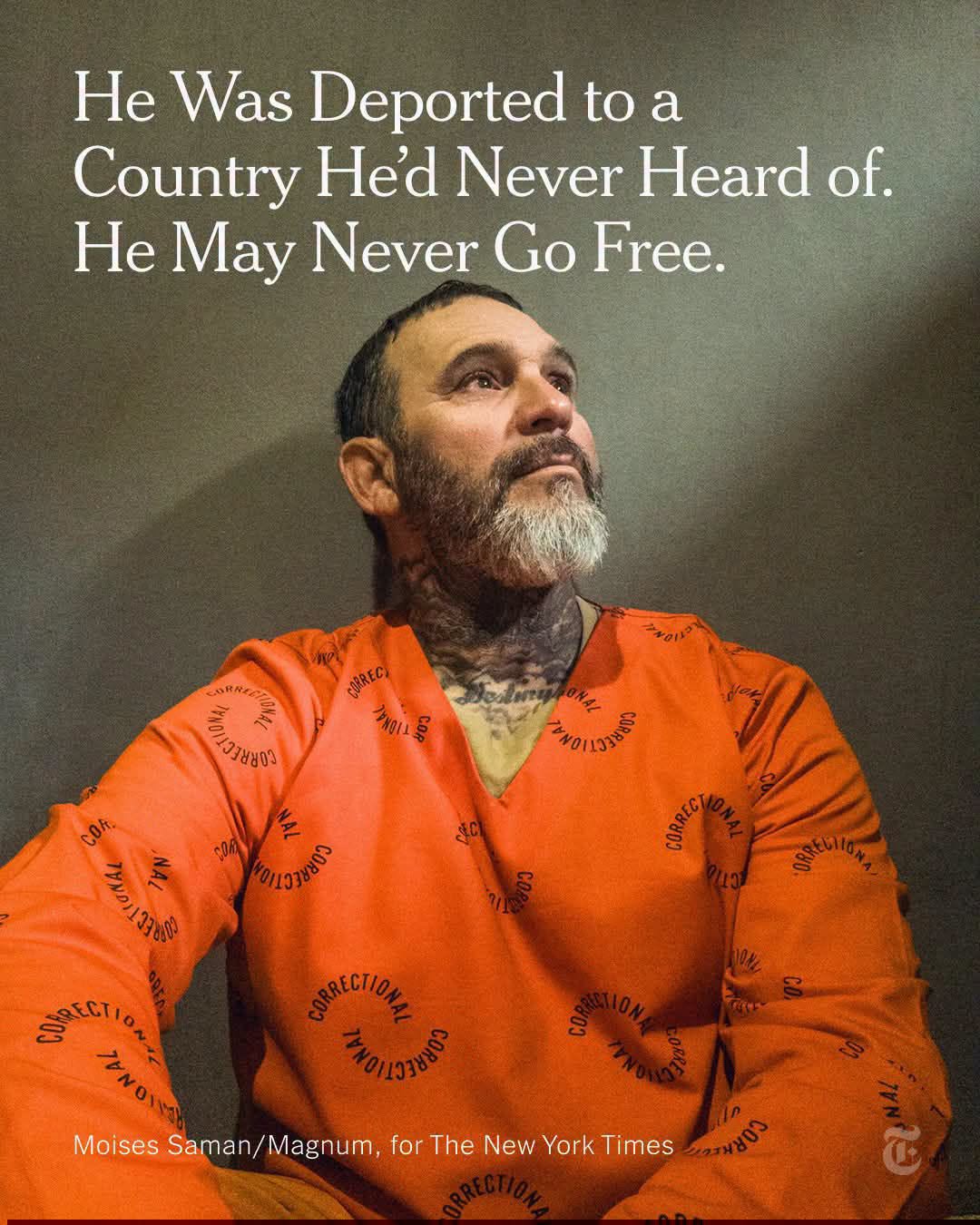
Mbabane – More than a year after being deported from the United States to Eswatini, Cuban national Roberto Mosquera del Peral remains detained at Matsapha Correctional Centre, with his case highlighting the uncertainty surrounding third-country deportations.
Mosquera, who had spent most of his life in the US, was among five men sent to Eswatini in July 2025 under an arrangement that allowed the US to deport people to a country other than their own. Amnesty International said July 2026 marked one year since Mosquera’s transfer to Eswatini.
The 58-year-old had never visited Eswatini before his deportation and, according to accounts of his life, had built his family and career in the US after arriving from Cuba as a child.
His detention has continued despite the absence of an Eswatini criminal charge against him. Rights organisations and his lawyers have questioned the legal basis for keeping him in custody and called for access to lawyers and family members.


Mosquera’s journey to Eswatini followed a complicated immigration history in the US.
He arrived in America with his mother, sister and infant niece after leaving Cuba. As a young man, he became involved with a gang and later pleaded guilty to an attempted murder charge after shooting a rival in the leg.


Because Cuba was not accepting deportations from the US at the time, Mosquera remained in America after serving his sentence.
He later rebuilt his life, working as a plumber, becoming a born-again Christian, marrying and raising four daughters.
His family was therefore confronted with a dramatic turn of events when he went to an immigration office to renew his work permit and was instead taken into immigration custody.
He was subsequently deported to Eswatini, a country with which he had no previous connection.
Mosquera’s case drew further attention in October 2025 when his lawyer said he had gone on hunger strike at Matsapha Correctional Centre in protest against his continued detention. Amnesty International said the hunger strike exposed concerns about the treatment and legal status of people transferred to Eswatini under the arrangement.
The US authorities have defended Mosquera’s removal, pointing to his criminal history, while his legal representatives have challenged aspects of the government’s characterisation of his record and have raised concerns about his detention in Eswatini.
Mosquera was part of an initial group of five deportees from Cuba, Jamaica, Laos, Vietnam and Yemen. One of the men, Jamaican national Orville Etoria, was eventually returned to Jamaica, while others remained in Eswatini.
The arrangement has since expanded, with further groups of deportees arriving in Eswatini.
For Mosquera, however, the issue remains personal: after decades of building a life in the United States, he now finds himself thousands of kilometres from his family, detained in a country he had never heard of before his deportation.


Discussion about this post