



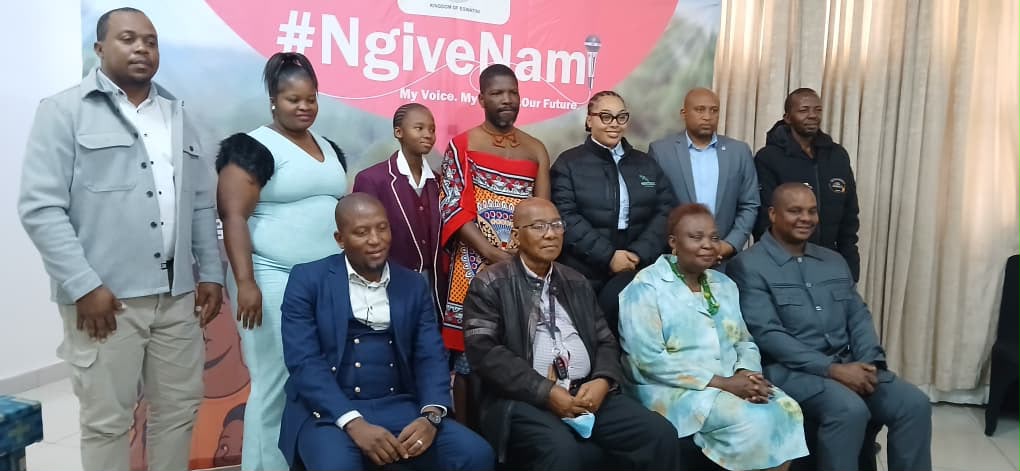
Manzini – More than 1 200 emaSwati have called for HIV prevention programmes to be shaped around the realities they face in their homes and communities, saying their experiences should have a greater place in decisions on the country’s HIV response.
The call emerged from the national HIV Prevention Indaba, where young people, parents, women, people living with HIV, persons with disabilities, community leaders and other stakeholders shared their experiences on HIV prevention.
Speaking during the Manzini Regional Dissemination of the Indaba findings, National Emergency Response Council on HIV and AIDS (NERCHA) Director for HIV Response and Coordination, Dr Bongani Masango, said communities had provided important insight into why some people do not fully use available HIV prevention services.
Masango said the engagement was intended to find out what makes it difficult for people to protect themselves from HIV and what could be done differently to improve prevention.


“Their message was clear, communities want to be part of shaping the HIV prevention response,” he said.
The Indaba was held under the theme “Ngive Nami”, translated as “Hear Me Too” or “Let My Voice Be Heard”.
Masango said the theme reflected the desire among communities to have their experiences considered when HIV prevention strategies are developed.
He said having condoms, pre-exposure prophylaxis (PrEP) and treatment available was not enough on its own, as people’s decisions were also influenced by what happens around them.
According to Masango, conversations within families, community values and social norms can influence how people respond to HIV prevention information and whether they seek available services.
He said this made it important for prevention programmes to take account of the social environments in which people live.
The Manzini dissemination meeting brought together regional stakeholders to consider the findings and discuss how they could be applied in communities.
Masango said young people should be particularly listened to as the country continues working towards ending AIDS as a public health threat by 2030.
He cautioned that the success of the Indaba should not be judged by the report produced from the consultations, but by what is done with the information gathered from communities.
“The true value of this study will not be measured by the quality of the report, but by how we use its findings to improve the lives of our people,” he said.


He said continued discussions with communities would be necessary to ensure that HIV prevention measures respond to the needs and circumstances of emaSwati.

Discussion about this post